
The Way of the Cross, also known as the Stations of the Cross, is a Christian devotion that follows Jesus' journey from his condemnation to his crucifixion and burial. Through fourteen stations, believers meditate on the final steps of Christ's life, accompanying him in his suffering and reflecting on God's redeeming love. This practice is not just a historical exercise; it's an invitation to walk spiritually to Calvary, to identify with Jesus' pain, and to find hope in his sacrifice.
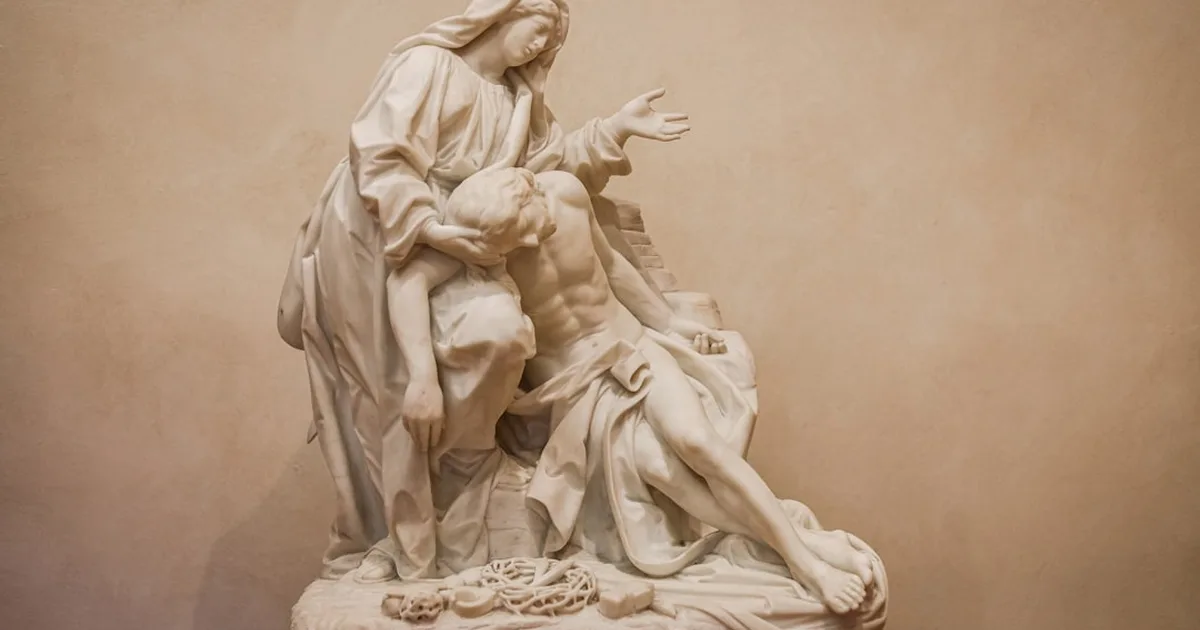
For many Christians, the Way of the Cross is a powerful way to draw near to Christ's passion during Lent, especially on Fridays. Yet it can be practiced any time of year as a personal or communal devotion. As you pause at each station, you have the chance to pray, read Scripture, and apply the lessons of the cross to your own life. In a world full of hurry and distraction, the Way of the Cross invites you to slow down, walk beside Jesus, and let his love transform you.
The term "Way of the Cross" also refers to artistic depictions of the stations, often found in churches or outdoor spaces. These images help you visualize each moment and connect emotionally with the story. But beyond the images, what matters most is the heart you bring—a heart willing to learn from the Master who carried the cross for you.
Biblical Origins and Meaning of the Way of the Cross
Although the Way of the Cross as we know it developed in the Middle Ages, its roots are firmly planted in the Gospels. All four Gospel accounts narrate the events that make up the stations: Jesus' condemnation, the carrying of the cross, the falls, the meeting with his mother Mary, the help of Simon of Cyrene, Veronica's gesture, the words to the women of Jerusalem, the crucifixion, death, and burial. Each station is inspired by specific biblical passages, though some, like the three falls, come from pious tradition.
The practice of walking the Way of the Cross began in Jerusalem, where pilgrims visited the holy sites associated with the passion. Over time, the Franciscans popularized this devotion in Europe, establishing the fourteen stations we know today. Pope John Paul II introduced a biblical version of the Way of the Cross, removing some traditional stations to align more closely with the Gospels. Both forms are valid and enrich believers' faith.
The theological significance of the Way of the Cross is profound: it's not just about remembering Jesus' suffering, but understanding that his death was voluntary and redemptive. As the apostle Paul writes in Romans 5:8 (NIV): "But God demonstrates his own love for us in this: While we were still sinners, Christ died for us." As you meditate on each station, you connect with that unconditional love and are encouraged to follow Jesus, even in the midst of your own crosses.
The Fourteen Stations of the Traditional Way of the Cross
Below are the traditional stations, with a brief reflection for each. Use them in your personal or group prayer.
- First Station: Jesus is condemned to death. Reflect on the injustice Jesus faced and how you can defend the innocent.
- Second Station: Jesus carries his cross. Think about the burdens you carry and ask Jesus to help you bear them with faith.
- Third Station: Jesus falls the first time. Acknowledge your own falls and God's mercy that always lifts you up.
- Fourth Station: Jesus meets his mother. Meditate on the





Comments