
The rosary is a traditional prayer that invites us to meditate on the key moments of Jesus' and Mary's lives. Through the repetition of Hail Marys and Our Fathers, the rosary helps us focus our minds on God and deepen our relationship with Him. It's not just about repeating words, but about opening our hearts to divine grace as we walk through the mysteries of salvation. Many people find in this practice a source of peace and spiritual strength, especially in times of difficulty.
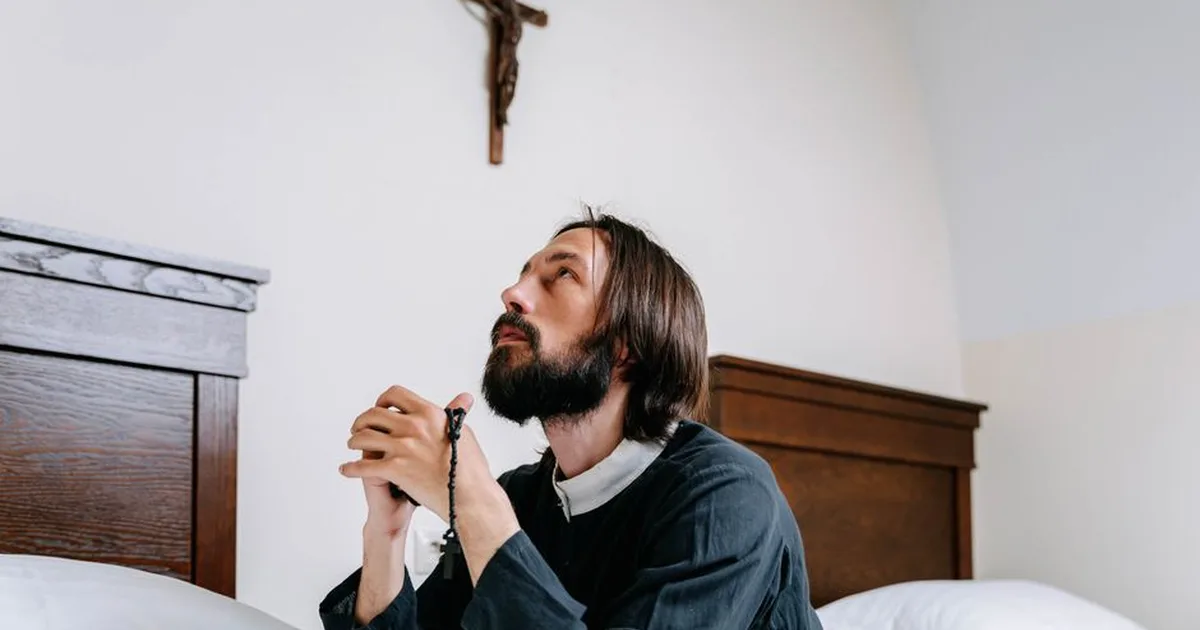
Praying the rosary may seem simple, but its transformative power is immense. By taking time each day to meditate on the joyful, luminous, sorrowful, and glorious mysteries, you allow God's Word to penetrate your daily life. It is a prayer that unites entire generations, from the youngest to the oldest, creating a bond of communion in faith. If you've never tried it, we invite you to discover how this devotion can change the way you see the world and bring you closer to Christ.
The Mysteries of the Rosary
The rosary is divided into four sets of mysteries, each with five significant moments from the lives of Jesus and Mary. These mysteries help us walk the path of salvation step by step.
The Joyful Mysteries (Monday and Saturday)
The Joyful Mysteries invite us to contemplate the joy of the Incarnation and Jesus' childhood. In them we meditate on the Annunciation, the Visitation, the Nativity, the Presentation in the Temple, and the Finding of Jesus in the Temple. These are moments that remind us of God's love, which becomes small and near to us.
The Luminous Mysteries (Thursday)
The Luminous Mysteries, added by Pope John Paul II, show us Jesus' public life. They include the Baptism of Jesus in the Jordan, the Wedding at Cana, the Proclamation of the Kingdom of God, the Transfiguration, and the Institution of the Eucharist. These mysteries help us better understand Jesus' mission and his call to follow him.
The Sorrowful Mysteries (Tuesday and Friday)
The Sorrowful Mysteries lead us into the heart of Christ's suffering: the Agony in the Garden, the Scourging, the Crowning with Thorns, the Carrying of the Cross, and the Crucifixion. Meditating on these mysteries helps us unite our own pains with those of Jesus, finding comfort and hope in his sacrifice.
The Glorious Mysteries (Wednesday and Sunday)
Finally, the Glorious Mysteries celebrate Christ's victory over death and his eternal glory: the Resurrection, the Ascension, the Descent of the Holy Spirit, the Assumption of Mary, and the Coronation of the Virgin. These mysteries remind us that our faith does not end at the cross, but in the joy of the resurrection and eternal life.
How to Pray the Rosary Step by Step
If you've never prayed the rosary, don't worry: it's very simple. You only need a rosary (or your fingers to count) and a willing heart. Here are the basic steps:
- Make the Sign of the Cross and pray the Apostles' Creed.
- Pray one Our Father, three Hail Marys, and one Glory Be.
- Announce the first mystery of the day (for example, the first Joyful Mystery: the Annunciation).
- Pray one Our Father, ten Hail Marys, and one Glory Be while meditating on the mystery.
- Repeat step 4 for the remaining four mysteries.
- At the end, pray the Litany of Loreto or another Marian prayer, and finish with the Sign of the Cross.
You can pray the rosary alone or in a group, in church or at home. What matters is the attitude of prayer and the willingness to listen to God. Don't worry if you get distracted; just gently bring your mind back to the mystery. The rosary is a gift that grows with practice, and each time you pray it, you open yourself to God's grace in a new way.


Comments