
Psalm 23 is perhaps the most beloved and well-known of all the psalms. Its timeless words have brought comfort to countless believers facing fear, loss, uncertainty, and even death. This short but profound poem paints a vivid picture of God as a caring shepherd who provides, protects, and restores. In this article, we will explore the full text of Psalm 23, its historical and spiritual context, a verse-by-verse explanation, and practical ways to pray this psalm in your daily life. Whether you are seeking peace in a difficult time, guidance in a season of change, or simply a deeper understanding of God's love, Psalm 23 offers a wellspring of hope and assurance.
The Full Text of Psalm 23
1. The LORD is my shepherd; I shall not want.
2. He maketh me to lie down in green pastures: he leadeth me beside the still waters.
3. He restoreth my soul: he leadeth me in the paths of righteousness for his name's sake.
4. Yea, though I walk through the valley of the shadow of death, I will fear no evil: for thou art with me; thy rod and thy staff they comfort me.
5. Thou preparest a table before me in the presence of mine enemies: thou anointest my head with oil; my cup runneth over.
6. Surely goodness and mercy shall follow me all the days of my life: and I will dwell in the house of the LORD for ever.
Meaning and Context of Psalm 23
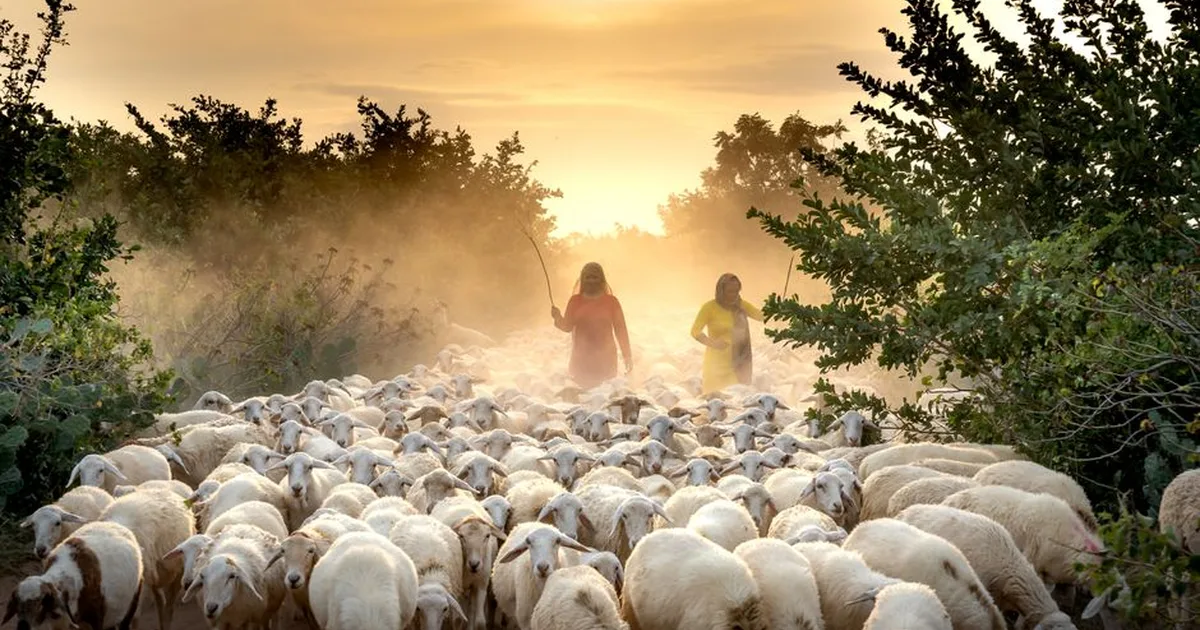
Psalm 23 is traditionally attributed to King David, who himself was a shepherd in his youth. This background gives the psalm an authentic, personal quality: David knew firsthand the relationship between a shepherd and his sheep. The psalm uses the metaphor of a shepherd to describe God's intimate care for His people. Sheep are utterly dependent on their shepherd for food, water, protection, and guidance. In the same way, we rely on God for every need.
The historical context of the psalm is likely a time of trial or danger in David's life. The "valley of the shadow of death" and the presence of enemies suggest that David wrote this psalm not in a moment of peace, but in the midst of struggle. Yet the overwhelming tone is one of trust and confidence. The psalm moves from speaking about God ("He maketh me...") to speaking directly to God ("Thou art with me..."), reflecting a deepening intimacy in prayer.
Spiritually, Psalm 23 is a declaration of faith in God's provision and protection. It assures us that God not only meets our needs but also guides us, restores us, and prepares a place of honor for us even in the midst of opposition. The final verse looks forward to an eternal dwelling with God, making this psalm a source of hope for both this life and the life to come.
Psalm 23 Explained Verse by Verse
Verse 1: "The LORD is my shepherd; I shall not want."
This opening verse establishes the core relationship: God is our Shepherd, and we are His sheep. A shepherd provides everything the sheep need—food, water, rest, protection. To say "I shall not want" is an act of trust that God will supply all that is necessary. It is not a promise of material abundance, but of complete sufficiency in God's care.
Verse 2: "He maketh me to lie down in green pastures: he leadeth me beside the still waters."
Green pastures and still waters symbolize rest, nourishment, and peace. Sheep will only lie down when they are free from fear, hunger, and thirst. God provides a place of safety and abundance where we can find true rest for our bodies and souls. The "still waters" (literally "waters of rest") suggest calm, refreshing streams, not rushing torrents. God leads us gently to places of peace.
Verse 3: "He restoreth my soul: he leadeth me in the paths of righteousness for his name's sake."
Restoration of the soul speaks to spiritual renewal and healing. When we are weary, discouraged, or burdened by sin, God revives us. Leading us in "paths of righteousness" means guiding us in right living, not for our own glory, but for His name's sake—so that His character and faithfulness are revealed through our lives.
Verse 4: "Yea, though I walk through the valley of the shadow of death, I will fear no evil: for thou art with me; thy rod and thy staff they comfort me."
This is the most famous verse of the psalm. The "valley of the shadow of death" represents the darkest, most dangerous places we can experience—illness, loss, persecution, or the approach of death itself. Yet the psalmist declares he will not fear because God is with him. The rod and staff are tools of the shepherd: the rod to defend against predators, the staff to guide and rescue sheep. God's presence and protection are the ultimate comfort.
Verse 5: "Thou preparest a table before me in the presence of mine enemies: thou anointest my head with oil; my cup runneth over."
The imagery shifts from shepherd to host. Even when enemies surround us, God prepares a feast of blessing. Anointing with oil was a sign of honor and hospitality in ancient times. The overflowing cup symbolizes abundance—God's blessings are more than we can contain. This verse assures us that God's goodness is not diminished by opposition; He provides generously in the midst of trouble.
Verse 6: "Surely goodness and mercy shall follow me all the days of my life: and I will dwell in the house of the LORD for ever."
The psalm concludes with a confident hope. "Goodness and mercy" (or lovingkindness) are personified as attendants that pursue us throughout our lives. The word "follow" can also mean "pursue"—God's goodness actively chases after us. The final line expresses the ultimate hope: to dwell in God's presence forever, not just in this life but in eternity.
When and How to Pray Psalm 23
Psalm 23 is a versatile prayer that can be used in many circumstances. Here are some of the most common ways believers pray this psalm:
- For protection: When facing danger, fear, or spiritual attack, pray verse 4 slowly, affirming God's presence with you. Visualize the Shepherd walking beside you through the valley.
- Against fear and anxiety: Recite the entire psalm, focusing on the words "I will fear no evil, for thou art with me." Let the truth of God's care replace your worries.
- Before sleep: Pray verses 2-3, asking God to make you lie down in peace and restore your soul. Trust that He watches over you through the night.
- In times of grief or loss: The valley of the shadow of death is a powerful image for mourning. Pray the psalm as a lament, but also as a declaration that God walks with you in your sorrow.
- For daily guidance: Use verse 3 as a prayer: "Lord, lead me in paths of righteousness for Your name's sake. Restore my soul and guide my steps today."
- As a thanksgiving: When you experience God's provision or deliverance, pray verses 5-6 with gratitude, acknowledging the table He has prepared and the cup that overflows.
You can pray Psalm 23 aloud, meditate on it silently, or even sing it. Many find it helpful to memorize the psalm so that it becomes a ready resource in times of need. The key is to personalize it—make it your own prayer, speaking directly to God as David did.
Frequently Asked Questions About Psalm 23
Who wrote Psalm 23?
Psalm 23 is traditionally attributed to King David, who was a shepherd before becoming king. The psalm reflects his personal experience of God's care.
What is the meaning of "the valley of the shadow of death"?
This phrase refers to the darkest and most dangerous places in life, including the threat of death. It symbolizes any situation of extreme fear, suffering, or trial. The key is that God's presence transforms the valley into a place of comfort.
Is Psalm 23 only for times of death and dying?
No, while it is often used at funerals and in times of grief, the psalm speaks to all of life—from daily guidance and provision to protection in danger and hope for eternity.
What does "my cup runneth over" mean?
It means that God's blessings are so abundant that they exceed what we can hold. It is an image of joy, generosity, and overflowing grace.
How can I use Psalm 23 for comfort?
Read it slowly, personalize it by inserting your name or situation, and pray it as a conversation with God. Let the words remind you of His faithful presence and care.
Does Psalm 23 promise that believers will never face trouble?
No, the psalm acknowledges the reality of enemies, valleys, and even death. But it promises that God is with us through all of it, providing comfort, guidance, and ultimate victory.



Comments