
In the Christian life, few practices are as profound and necessary as prayer for the sick. When the body weakens and spirits falter, the community of believers finds in intercession a bridge between human suffering and divine mercy. In these moments, we remember that our faith is not merely an intellectual belief, but an active companionship in the pain of others. As James wrote: "Is anyone among you sick? Let them call the elders of the church to pray over them and anoint them with oil in the name of the Lord" (James 5:14, NIV). This apostolic teaching remains today a loving mandate for the entire Christian community.
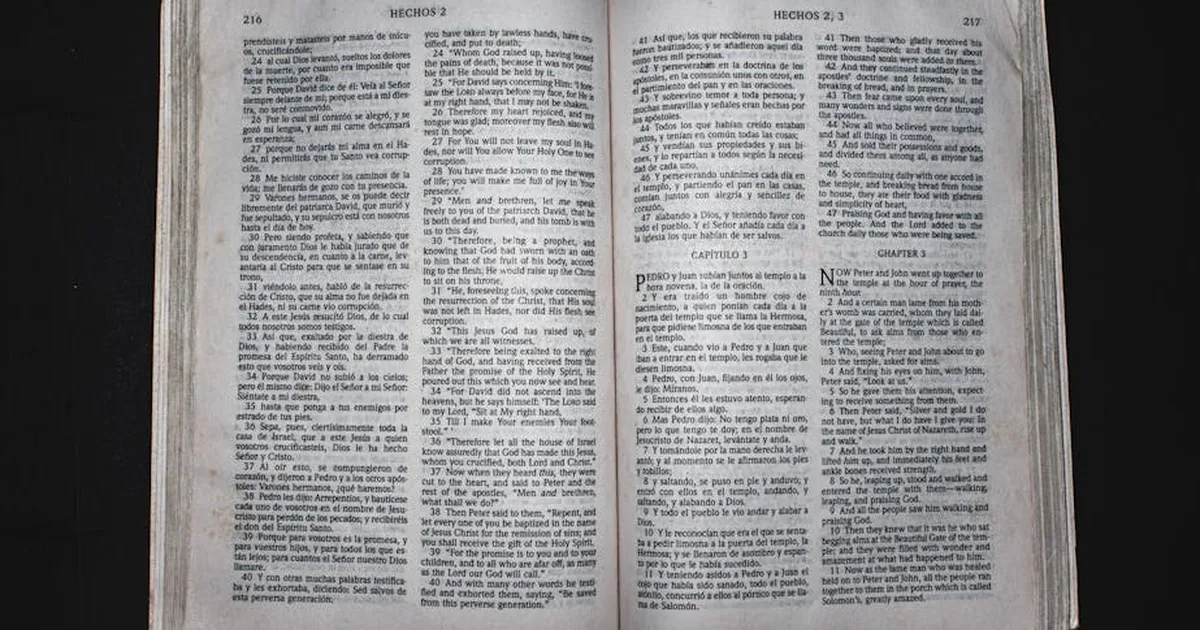
The Biblical Foundation of Prayer for the Sick
Scripture is filled with examples showing how God responds to intercession for those suffering from illness. From the Old Testament, where prophets prayed for healing, to the ministry of Jesus, who devoted much of his time to curing the sick, we find a common thread: divine compassion manifests especially in human weakness. In the Gospel of Mark, we read: "And Jesus healed many who had various diseases. He also drove out many demons" (Mark 1:34, NIV). This verse not only describes a historical fact but establishes a permanent principle: Christ remains interested in the holistic well-being of his children.
Prayer as Spiritual Medicine
When we pray for someone who is ill, we are not simply reciting words into the air. We are participating in a sacred mystery where our faith joins with God's action. Prayer has a transformative power that goes beyond what we can rationally understand. Sometimes healing comes miraculously; other times, God grants strength to endure illness with peace and hope. In both cases, prayer fulfills its purpose: drawing us closer to God and to our neighbor.
"Therefore confess your sins to each other and pray for each other so that you may be healed. The prayer of a righteous person is powerful and effective" (James 5:16, NIV).
How to Practice Prayer for the Sick in Your Community
Intercession for the sick should not be a sporadic act but a regular discipline in your community life. Here are some practical ways to incorporate it:
- Establish a prayer group: Designate people in your church who commit to praying regularly for the sick in the congregation and their families.
- Visit the sick: Physical presence, when possible, is an essential complement to prayer. Your visit can bring comfort and hope.
- Use communication networks: Share prayer requests through available means, always respecting people's privacy.
- Hold healing services: Organize specific times when the community comes together to pray especially for the sick.
Anointing with Oil: A Symbol of Consecration
The practice of anointing with oil, mentioned in James, is not a magical ritual but a visible sign of consecrating the sick person to God. The oil represents the presence of the Holy Spirit and our faith in his healing power. When church elders anoint a sick person, they are symbolically declaring: "This person belongs to God, and we trust in his loving care."
Prayer for the Sick in Times of Trial
In April 2025, the worldwide Christian community experienced a moment of sorrow with the passing of Pope Francis. Months later, in May of the same year, we received with hope the new Pope Leo XIV (Robert Francis Prevost). These events remind us that even in the most difficult times, our faith calls us to uphold one another in prayer. The departure of a spiritual leader and the arrival of another teach us about the continuity of hope and the importance of keeping intercession alive, especially for those facing illness and suffering. In every stage of life, whether personal or communal, prayer for the sick remains a living testimony of our trust in a God who listens, comforts, and in his wisdom, responds.

Comments