
Saint Padre Pio, known as Padre Pio of Pietrelcina, is one of the most beloved saints of the Catholic Church. Born on May 25, 1887, in Pietrelcina, Italy, he felt a strong call to religious life from a young age. He entered the Order of Friars Minor Capuchin and was ordained a priest in 1910. His life was marked by deep spirituality, the stigmata of Christ, and numerous spiritual gifts such as bilocation and reading hearts. Padre Pio is a model of surrender to God and love for neighbor, and his legacy continues to inspire millions around the world.
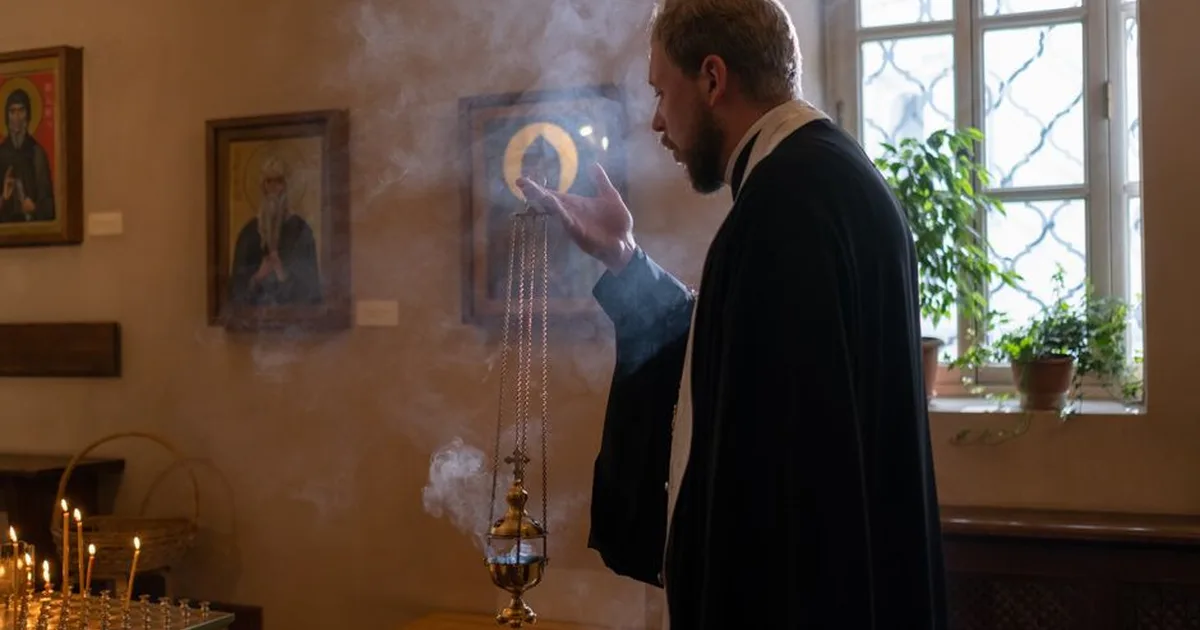
The Stigmata and Suffering of Padre Pio
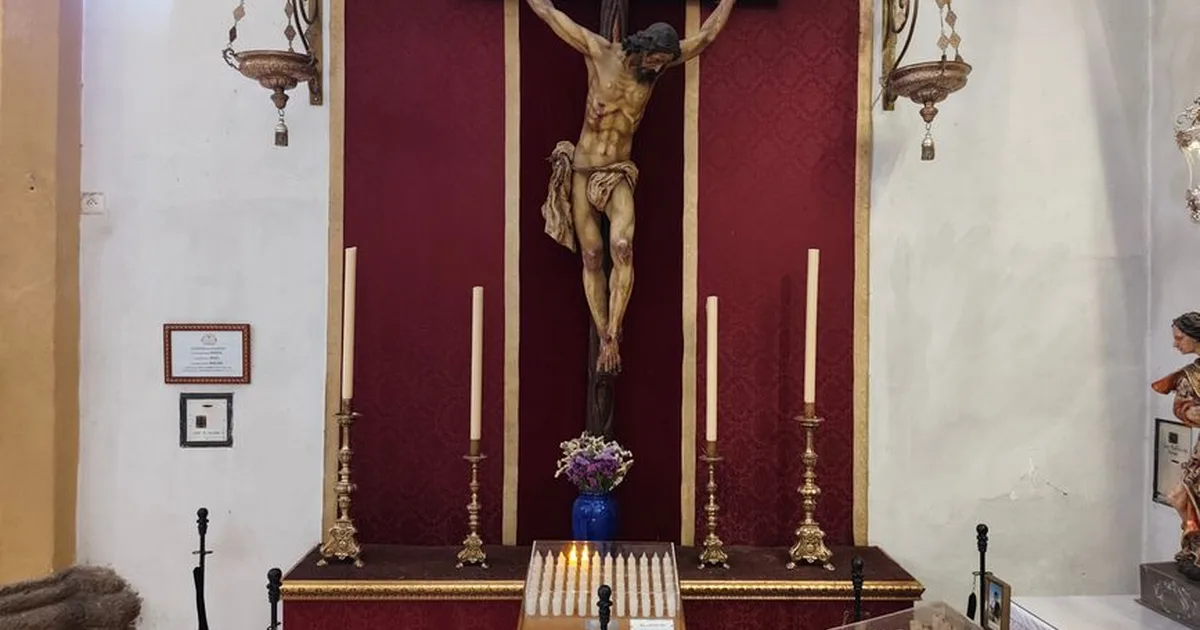
One of the most famous aspects of Padre Pio is the stigmata—the wounds of Christ that he bore on his body for over 50 years. These marks appeared on September 20, 1918, while he was praying before a crucifix. Although doctors examined his wounds, they could find no natural explanation. Padre Pio offered his suffering for the conversion of sinners and for the Church. In the midst of pain, he maintained a joy and peace that could only come from God. As Scripture says:
"For it has been granted to you on behalf of Christ not only to believe in him, but also to suffer for him" (Philippians 1:29, NIV).His life teaches us that suffering, united with Christ's, has redemptive value.
The Gift of Bilocation
Another extraordinary gift of Padre Pio was bilocation—the ability to be in two places at once. Numerous cases were reported where he was seen in different parts of the world while remaining in his monastery. This gift allowed him to comfort those in need and extend his ministry beyond borders. Bilocation reminds us that God's power is not limited by space or time.
Padre Pio's Teachings for Daily Life
Padre Pio left a legacy of practical teachings that can guide our Christian life. First, he invited us to constant prayer: "Pray, hope, and don't worry." This phrase sums up his trust in divine providence. He also emphasized the importance of the Eucharist and frequent confession. He said, "Confession is the bath of the soul." Additionally, he promoted active charity, especially toward the sick and the poor. His example challenges us to live an authentic faith based on love and service.
Prayer According to Padre Pio
For Padre Pio, prayer was the center of life. He spent long hours in prayer, even during the night. He encouraged everyone to have a constant dialogue with God, not only in times of need but as a daily habit. In his letters, he wrote: "Prayer is the best weapon we have; it is the key that opens the heart of God." I invite you to follow his example, dedicating time each day to prayer, whether reading the Bible, meditating, or simply talking with God.
How to Apply Padre Pio's Example in Your Life
Padre Pio shows us that holiness is possible for everyone. Here are some practical ways to follow his example:
- Dedicate daily time to prayer, even if just 10 minutes.
- Participate in the sacraments, especially the Eucharist and confession.
- Practice charity toward those in need, offering your time and resources.
- Accept your sufferings and offer them for the salvation of souls.
- Trust in God's providence in the midst of difficulties.
"Come to me, all you who are weary and burdened, and I will give you rest" (Matthew 11:28, NIV).Padre Pio experienced that rest in the midst of his trials, and you can find it too.
Conclusion: A Legacy of Faith and Love
The life of Padre Pio is a testament to the power of faith, prayer, and sacrifice. His example continues to inspire millions to draw closer to God. Whether through his stigmata, his bilocation, or his simple yet profound teachings, Padre Pio points us to Christ. May his intercession and example guide us on our own journey of faith.

Comments