
Padre Pio, also known as Saint Pio of Pietrelcina, was an Italian Capuchin friar who lived from 1887 to 1968. He is one of the most beloved and venerated saints in the Catholic Church, and his fame has spread far beyond Italy. His life was marked by extraordinary mystical phenomena, such as the stigmata (the wounds of Christ) which he bore on his body for over 50 years, and a deep love for God and neighbor. But beyond the miracles, what truly draws millions to him is his example of faith, humility, and total surrender to God's will.
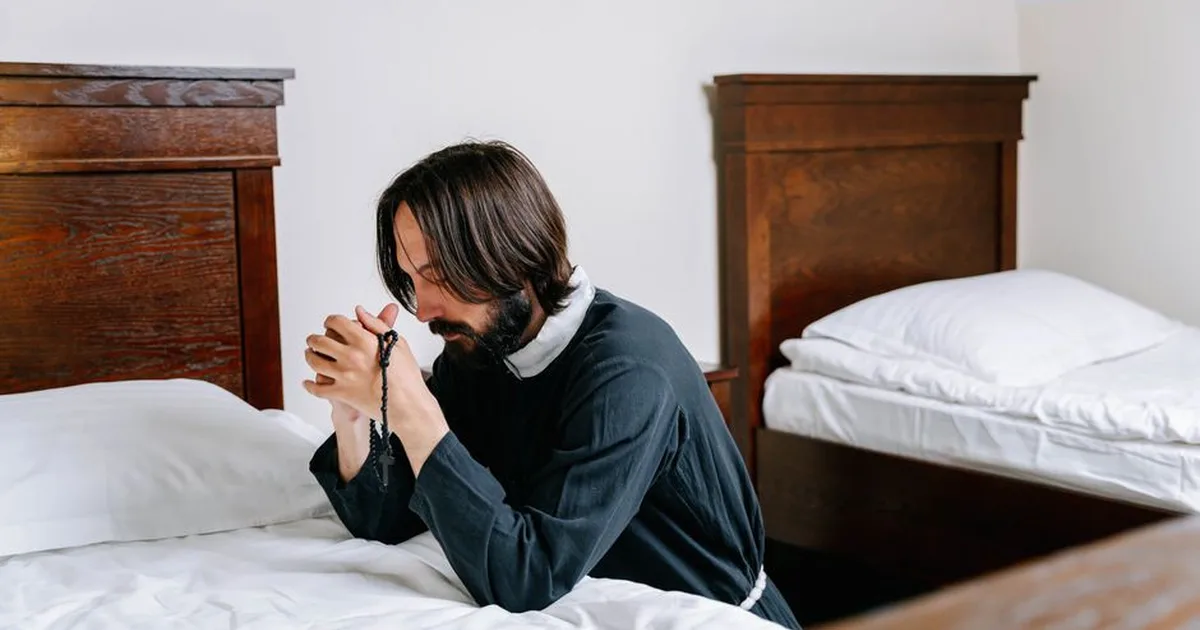
For many Christians, Padre Pio is a powerful intercessor and a model of spiritual life. His story invites us to reflect on our own relationship with God and to seek a more authentic and committed faith.
The Stigmata and Redemptive Suffering
One of the most well-known aspects of Padre Pio's life is the stigmata—the visible wounds corresponding to those of the crucified Christ. These marks appeared on his hands, feet, and side in 1918 and remained until his death. Although they were studied and debated, the Church eventually recognized their authenticity as a divine gift. Padre Pio offered his sufferings for the salvation of souls, uniting them with those of Jesus on the cross.
"I fill up in my flesh what is lacking in Christ's afflictions for the sake of his body, the church" (Colossians 1:24, NIV)
This verse helps us understand the meaning of Christian suffering. It is not that Christ's work was incomplete, but that we can participate in it by offering our own pains out of love for God and others. Padre Pio lived this radically, teaching us that suffering, when embraced with faith, can become a source of grace and redemption.
Love for the Eucharist and Confession
Two pillars of Padre Pio's spirituality were the Eucharist and the sacrament of confession. He spent long hours in prayer before the Blessed Sacrament and celebrated Mass with a devotion that moved everyone present. It was said that he could read people's hearts, and many came to him for confession, experiencing deep peace and reconciliation with God.
The Importance of Regular Confession
Padre Pio recommended frequent confession as a means to grow in holiness. He said that confession is "the cleansing of the soul" and that we should approach it with humility and sincerity. In a world that often minimizes sin, his teaching reminds us of the need to examine our conscience and seek God's forgiveness.
"If we confess our sins, he is faithful and just and will forgive us our sins and purify us from all unrighteousness" (1 John 1:9, NIV)
This verse assures us that God is always ready to forgive when we repent. Padre Pio's example encourages us not to be afraid to approach the sacrament of confession and to experience divine mercy.
Practical Lessons from Padre Pio's Life
This saint's life offers valuable teachings for our daily lives. Here are some lessons we can apply:
- Constant prayer: Padre Pio said, "Prayer is the best weapon we have; it is the key to God's heart." Dedicate time each day to prayer, not only to ask but also to listen to God.
- Humility: Despite the extraordinary gifts he received, he always considered himself a sinner in need of God's mercy. Cultivate humility by recognizing your limitations and placing your trust in God.
- Service to others: Padre Pio was known for his charitable works and his availability to those in need. Look for opportunities to serve your neighbor, especially the poor and suffering.
Padre Pio's life reminds us that holiness is possible for everyone, not just a select few. With faith, prayer, and humility, we can all draw closer to God and become instruments of his love in the world.

Comments