
Congratulations on your engagement! Planning a wedding is an exciting time, and if you're considering a Catholic wedding, you're not just planning a ceremony—you're preparing to receive a sacrament. In Catholic teaching, marriage is a sacred covenant between a man and a woman, a sign of God's love for the world. It's a lifelong commitment that is both personal and spiritual.
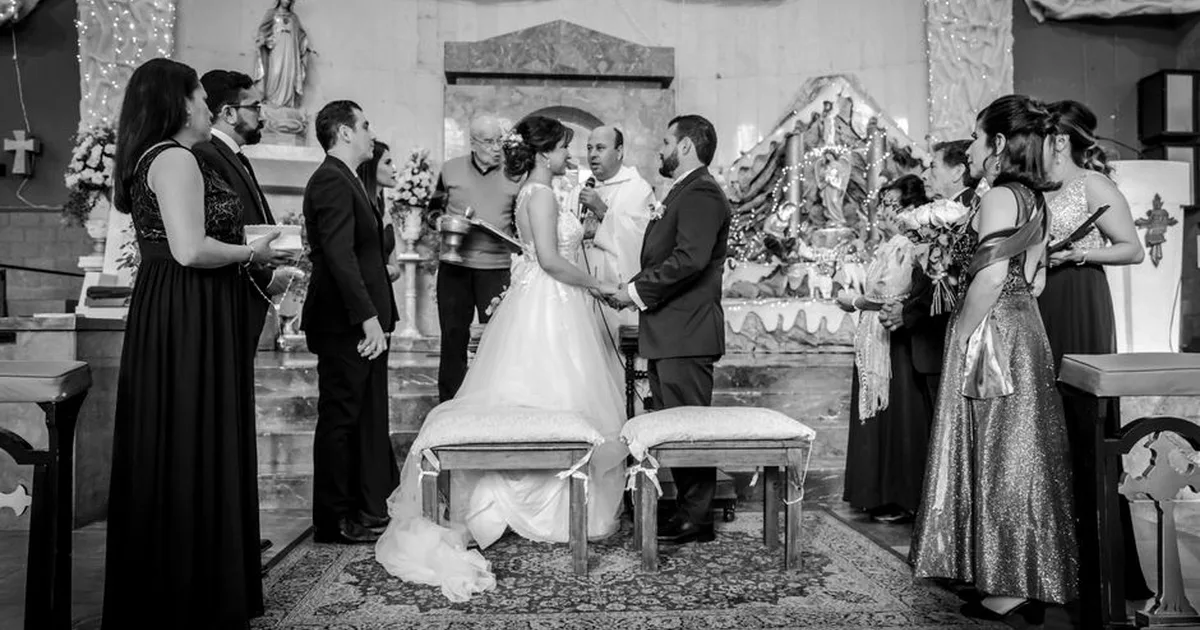
This guide will walk you through the process step by step. Please remember that exact requirements, documents, and timelines vary by parish, diocese, and country. Always confirm specifics with your local parish priest or marriage coordinator. The Church is here to help you, not to make things difficult.
What Is Sacramental Marriage?
For Catholics, marriage is more than a legal contract or a romantic promise. It is a sacrament—a visible sign of God's grace. Through the exchange of vows, a couple becomes a domestic church, a community of love and life. The Church teaches that marriage is indissoluble (permanent) and open to children. The focus is on mutual self-giving and the building of a family.
This understanding shapes the requirements and preparation. The Church wants couples to be fully informed and spiritually ready for this vocation.
Practical Requirements and Documents
To get married in the Catholic Church, you'll need to provide several documents. While specifics vary, here are the most common ones:
- Recent Baptismal Certificates for both spouses (issued within six months of the wedding date). If you were baptized in another parish, you'll need to request a copy.
- Confirmation Certificates (if you have been confirmed). Many dioceses require proof of confirmation before marriage.
- Proof of Freedom to Marry: This may include an affidavit of freedom, a declaration of intent, or a pre-nuptial inquiry. For those previously married (even civilly), you may need an annulment or declaration of nullity.
- Civil Requirements: Depending on your country, you may need a civil marriage license or certificate. The Church often requires that the civil marriage be recognized as valid.
- Witness Information: You'll need two witnesses (usually at least one Catholic).
- Parish Registration: Some parishes require that you be registered members for a certain period.
Start gathering these documents early—at least six months before your planned wedding date. Your parish will guide you on exactly what they need.
Marriage Preparation: What and Why
The Church requires couples to undergo marriage preparation. This goes by many names: Pre-Cana (popular in the U.S.), pláticas prematrimoniales (Spanish-speaking communities), cursillo prematrimonial, or Ehevorbereitung (German-speaking areas). It's not a test or a hurdle—it's a gift. The purpose is to help you build a strong foundation for your marriage.
Preparation typically includes:
- Instruction on the Sacrament: Understanding Catholic teachings on marriage, family, and sexuality.
- Communication and Conflict Resolution: Practical skills for a healthy relationship.
- Natural Family Planning (NFP): An introduction to Church-approved methods of family planning.
- Financial and Spiritual Planning: Discussing shared goals and values.
Preparation may be a weekend retreat, a series of evening sessions, or online courses. Many parishes offer it in multiple languages. The key is to approach it with an open heart—it's designed to enrich your marriage, not just check a box.
Timeline: When to Start
A good rule of thumb is to begin planning 6 to 12 months before your desired wedding date. Here's a typical timeline:
- 12 months before: Contact your parish to schedule an initial meeting with the priest or marriage coordinator. Discuss availability, requirements, and preparation options.
- 9-10 months before: Start gathering documents (baptismal certificates, etc.). Register for a marriage preparation program.
- 6 months before: Complete the pre-nuptial inquiry and any necessary paperwork. Confirm the church date and time.
- 3-4 months before: Attend the preparation program. Meet with the priest to plan the liturgy (readings, music, etc.).
- 1 month before: Finalize all documents. Have a rehearsal if desired.
- The wedding day: Arrive early, relax, and celebrate the sacrament!
If you're planning a wedding in less than six months, don't panic. Talk to your priest—some parishes can accommodate shorter timelines, especially if you are already well-prepared.
What Happens in the Wedding Mass or Rite?
A Catholic wedding typically takes place within a Mass (the Nuptial Mass), but it can also be a ceremony without Mass (for example, if one spouse is not baptized). The structure is as follows:
- Opening Rites: Greeting, penitential act, and Gloria (if a Mass).
- Liturgy of the Word: Readings from Scripture (usually three readings: Old Testament, New Testament, and Gospel). The priest gives a homily.
- Rite of Marriage: The couple exchanges consent (vows) and rings. The priest blesses the marriage.
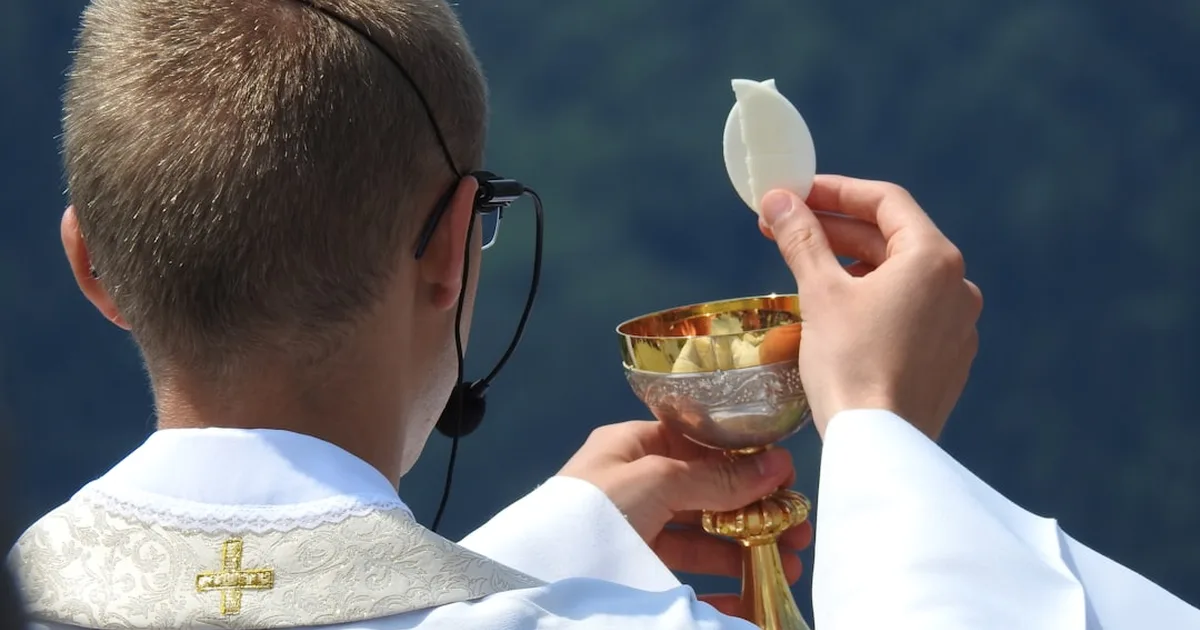
- Liturgy of the Eucharist (if a Mass): The Eucharistic Prayer, Communion, and final blessing.
- Concluding Rite: Final blessing and dismissal.
You can choose the readings and music (with guidance from the parish). The Church encourages that the liturgy reflects your faith and love.
Special Situations: Mixed Marriages and Convalidation
Mixed Marriages (Catholic + Another Christian Tradition)
If one spouse is Catholic and the other is a baptized Christian (e.g., Lutheran, Anglican, Methodist), the Church welcomes this marriage. You will need permission from the local bishop (called a 'permission for mixed marriage'). The Catholic spouse must promise to do their best to raise children in the Catholic faith, and the other spouse is informed of this promise. The wedding can take place in a Catholic church or sometimes in another Christian church with a dispensation.
Marriage with a Non-Christian
If one spouse is not baptized (e.g., Hindu, Muslim, Jewish), a 'dispensation from disparity of cult' is needed. The requirements are similar, but the ceremony is usually without Mass. The Church respects the faith of the non-Catholic spouse.
Convalidation (Blessing of a Civil Marriage)
If you are already married civilly and want your marriage recognized in the Catholic Church, you can have a convalidation ceremony. This is a simple rite where you exchange consent again in the presence of a priest and witnesses. You'll still need to go through marriage preparation and provide the necessary documents. It's a beautiful way to bring your marriage fully into the Church.
Frequently Asked Questions
Do we need to be members of the parish? Usually, yes. Most parishes require that at least one of you be a registered member. If you're not, you can join or ask the parish where you wish to marry for guidance.
What about godparents or sponsors? In a Catholic wedding, you need two witnesses. They don't have to be Catholic, but at least one should be. Some couples choose to have a 'best man' and 'maid of honor' as witnesses.
How much does a Catholic wedding cost? There is no standard fee. Parishes may ask for a donation or stipend (typically $100-$500), but many do not charge. Additional costs include the preparation program (often $50-$200) and music if you hire a cantor or organist. Discuss fees openly with your parish—they are usually very reasonable.
Can we get married outside? Generally, Catholic weddings take place in a church. Some dioceses allow outdoor weddings with special permission, but this is rare. The church is considered a sacred space fitting for the sacrament.
What if one of us is divorced? If you have been married before (even civilly), you will need an annulment (declaration of nullity) before marrying in the Church. This process examines whether the previous marriage was valid according to Church law. It can take several months. Talk to your priest early.
Can we write our own vows? The Church requires that the vows follow a specific formula that expresses the essential promises of marriage. However, you may be able to add personal reflections or choose from approved options. Discuss this with your priest.
Final Words of Encouragement
Preparing for a Catholic wedding is a journey of faith and love. The Church wants to support you, not overwhelm you. Every parish has a coordinator or priest who will guide you. Don't hesitate to ask questions, even if they seem small. Your wedding day is a beginning, and the Church is honored to walk with you.
Remember: the exact requirements, documents, and programs vary by parish, diocese, and country. Always confirm with your local parish. But know that the heart of the process is the same everywhere—preparing you for a lifelong, grace-filled marriage.
May God bless you as you prepare to receive the sacrament of marriage!
Find a church near you
The practical first step is to contact your local parish. EncuentraIglesias is a directory of 516,000+ churches across 14 countries — use it to find the nearest one and get in touch.

Comments