
In times of uncertainty, illness, or fear, many Christians turn to Scripture for comfort. Among the most beloved passages is Psalm 91, often called the "Psalm of Protection." But what does it truly mean? More than a promise of physical safety, this psalm invites us into a deep relationship with God, our refuge and strength. In a rapidly changing world, its message remains relevant for you and all who seek security in the Most High.
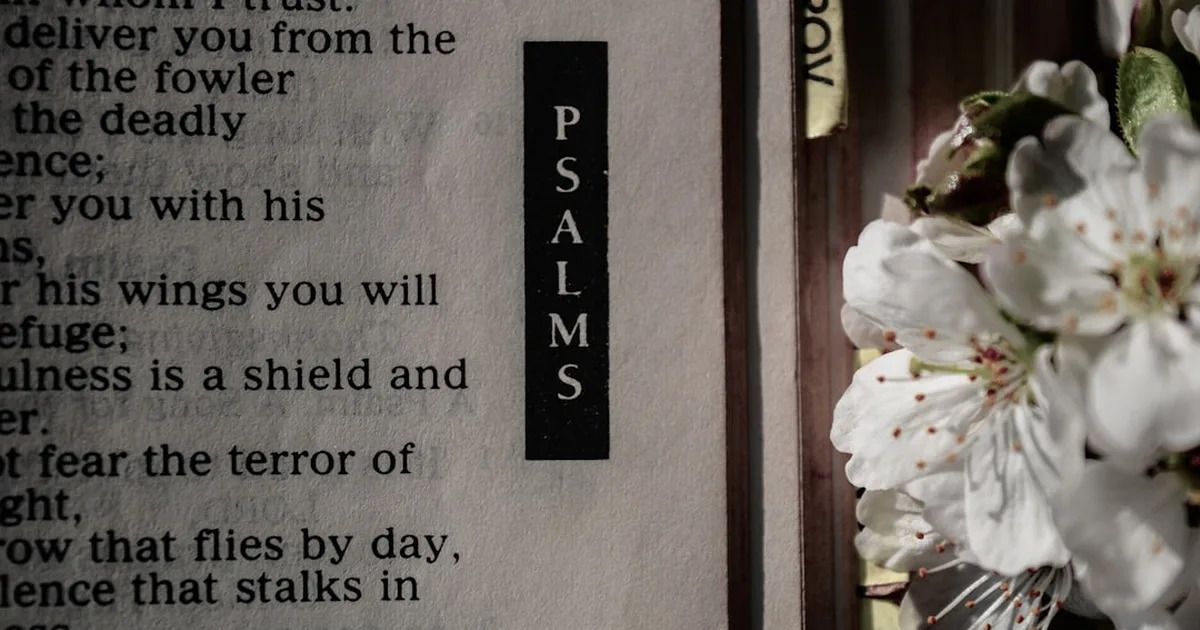
Psalm 91 speaks not only of outward protection but of inner peace that transcends circumstances. As we explore its meaning, you'll discover it's an invitation to dwell in God's presence, trusting in His constant care. Join me on this journey through its verses, where faith becomes a shield against fear.
The Context of Psalm 91: Who Wrote It and Why?
Though the author is not explicitly named, tradition attributes Psalm 91 to Moses or David. Its language reflects the experience of Israel in the wilderness, where they depended entirely on God for survival. Amid dangers like snakes, disease, and enemies, the psalmist declares, "He who dwells in the shelter of the Most High will rest in the shadow of the Almighty" (Psalm 91:1, NIV).
This psalm is a song of trust, not a magic formula. Its purpose is to remind us that true security is not in external circumstances but in our relationship with God. When we ask, "What is the meaning of Psalm 91?" we find it teaches us to place our faith in the One who is sovereign over every danger.
Structure and Key Themes
Psalm 91 alternates between declarations of faith and divine promises. Central themes include protection from physical and spiritual dangers, God's faithfulness, and the reward of those who love Him. Each verse is rich with powerful imagery: wings, shields, fortresses—all speaking of a God who covers and defends us.
Verse by Verse: Unpacking the Message
To fully understand the meaning of Psalm 91, it helps to examine key verses. Below we explore some of the most significant ones.
Verses 1-2: The Shelter of the Most High
"He who dwells in the shelter of the Most High will rest in the shadow of the Almighty. I will say to the Lord, 'My refuge and my fortress, my God, in whom I trust'" (Psalm 91:1-2, NIV). Here, the psalmist establishes the condition for receiving protection: dwelling in God's presence. It's not an occasional visit but a constant abiding. "Shelter" and "shadow" evoke the image of a chick under its mother's wings—a place of safety and closeness.
Verses 3-4: Deliverance from Traps and Disease
"Surely he will save you from the fowler's snare and from the deadly pestilence. He will cover you with his feathers, and under his wings you will find refuge; his faithfulness will be your shield and rampart" (Psalm 91:3-4, NIV). These words remind us that God protects us from visible and invisible dangers. The "fowler's snare" may symbolize deception or spiritual attacks, while the "deadly pestilence" represents diseases or calamities. The imagery of wings speaks of a protective love that envelops us.
Verses 5-6: No Fear of Terror or Arrow
"You will not fear the terror of night, nor the arrow that flies by day, nor the pestilence that stalks in the darkness, nor the plague that destroys at midday" (Psalm 91:5-6, NIV). This passage addresses universal fears: danger in the dark, sudden attacks, diseases that spread without warning. The promise is not that these evils won't happen, but that the believer need not fear them because God is with us. This trust frees us from anxiety and fills us with peace.
Psalm 91 is a powerful reminder that our ultimate security is in God. It calls us to a life of faith, where we rest in His love and protection, no matter what storms we face. May this psalm become a source of comfort and strength for you today.


Comments