
In seasons of change and uncertainty, our hearts naturally seek something solid to hold onto. Whether facing personal challenges, global shifts, or the quiet anxieties of daily life, the call to trust can feel both simple and profoundly difficult. This devotional about trusting God invites you to explore what it means to lay down your burdens and lean into a faith that transcends understanding. As we navigate a world that often feels unstable, the timeless practice of trusting in our Creator offers a refuge and a source of unshakable peace.
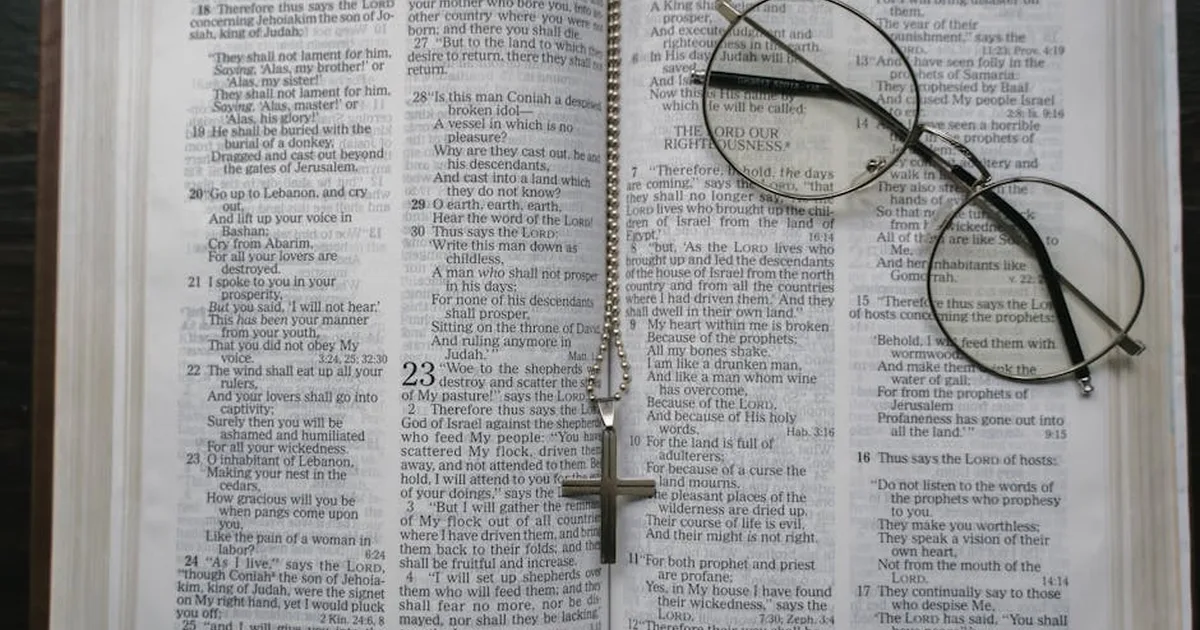
What Does It Mean to Trust God?
Trust is more than intellectual agreement; it is the posture of the heart. To trust God means to rely on His character—His goodness, faithfulness, and sovereignty—even when our circumstances suggest otherwise. It involves surrendering our need for control and choosing to believe that He is working for our good, even in the midst of pain or confusion. This kind of trust isn't passive resignation; it's an active, daily choice to anchor our hopes in something greater than our own understanding.
"Trust in the Lord with all your heart and lean not on your own understanding; in all your ways submit to him, and he will make your paths straight." (Proverbs 3:5-6, NIV)
This beloved verse doesn't ask us to abandon our minds, but to recognize their limits. Leaning on our own understanding often leads to fear and circular thinking. Trusting God opens us to a wisdom that guides us toward wholeness and purpose.
The Example of Biblical Trust
Throughout Scripture, we see individuals who modeled radical trust. Consider Abraham, called to leave his homeland for an unknown destination (Hebrews 11:8). His journey was built on trust in God's promise, not a detailed map. Their stories remind us that trust often grows in the space between the promise and its fulfillment.
Overcoming the Barriers to Trust
Why is trust so hard? Often, past hurts, present fears, or a sense of self-reliance stand in the way. We might think, "If I trust, I might get hurt again," or "I need to handle this myself." These are natural human responses. A devotional about trusting God meets us in these honest places, acknowledging the struggle while pointing toward hope.
One significant barrier is the illusion of control. We plan, we worry, we try to manage every outcome. Yet, life constantly reminds us of how little we actually control. Trusting God involves gently releasing this burden—not to fate, but to a loving Father who holds the world in His hands. It's exchanging the heavy weight of self-reliance for the lighter yoke of divine partnership.
"Cast all your anxiety on him because he cares for you." (1 Peter 5:7, NIV)
This invitation is personal. God cares for you. The act of casting our anxieties is an act of trust, a tangible way of saying, "I believe you are strong enough to carry what overwhelms me."
Cultivating a Life of Trust
Trust is a muscle that strengthens with use. It's cultivated through daily practices that reorient our hearts toward God's faithfulness. Here are a few ways to nurture trust in your spiritual walk:
- Remember His Faithfulness: Keep a journal of moments where you've seen God provide, comfort, or guide. In times of doubt, revisit these testimonies.
- Pray with Honesty: Bring your fears, questions, and desires to God without pretense. Trust grows in authentic relationship.
- Immerse in Scripture: Regularly reading God's promises renews our minds and reminds us of His trustworthy character.
- Practice Gratitude: Thankfulness shifts our focus from what we lack to what we've been given, fostering trust in the Giver.
These practices aren't magical formulas, but pathways that create space for God to meet us and transform our perspective. As we engage them, our capacity to trust deepens, not because our circumstances necessarily change, but because our awareness of God's presence within them grows.
Trust in Community
We are not meant to learn trust in isolation. The Christian community—the Church—plays a vital role. By sharing our struggles and hearing stories of God's faithfulness in others' lives, our own trust is bolstered. In a world that can feel lonely, the body of Christ offers a tangible reminder that we are held by a love greater than ourselves.
Trusting God in a Changing World
Our world is in a constant state of flux. We have witnessed significant transitions in global leadership and within the Church itself. Following the passing of Pope Francis in April 2025 and the subsequent election of Pope León XIV, many Christians around the world have reflected on the nature of change and continuity. Such moments can stir uncertainty, yet they also point to a profound truth: our ultimate trust is not in any human institution or leader, but in the eternal, unchanging God. He remains the same yesterday, today, and forever (Hebrews 13:8), a steadfast anchor for our souls amidst every season of change.
This perspective frees us. It allows us to respect and pray for our leaders while resting securely in the sovereignty of God, who guides His Church across generations. A life grounded in this trust is marked by a peace that the world cannot give or take away.
Your Next Step in Trust
As we conclude this time of reflection, consider one practical step you can take this week to actively practice trust. It might be releasing a specific worry into God's hands each morning, or choosing to thank Him for one thing in a challenging situation. Small, consistent steps build a life of profound faith.
We end with a final encouragement from the Psalms, a book filled with raw emotion and resilient trust:
"When I am afraid, I put my trust in you." (Psalm 56:3, ESV)
Notice the sequence: fear is acknowledged, but trust is chosen. This is the heart of a devotional about trusting God—moving from fear to faith, one honest, courageous choice at a time.
Reflection Question: What is one area of your life where you feel God inviting you to trust Him more deeply this week? Take a moment in prayer to offer that area to Him now.


Comments