
Dear brothers and sisters, today we reflect on a practice that has been part of the Church since its beginning: fasting. In our walk of faith, fasting is more than just abstaining from food—it is a powerful tool to draw closer to God. As we look for a Bible verse about fasting, we find that Scripture offers clear and wise guidance. It is not about going hungry for its own sake, but about emptying ourselves to be filled with the Holy Spirit. In this devotional, we will explore what the Bible says about fasting and how we can apply it in our daily lives.
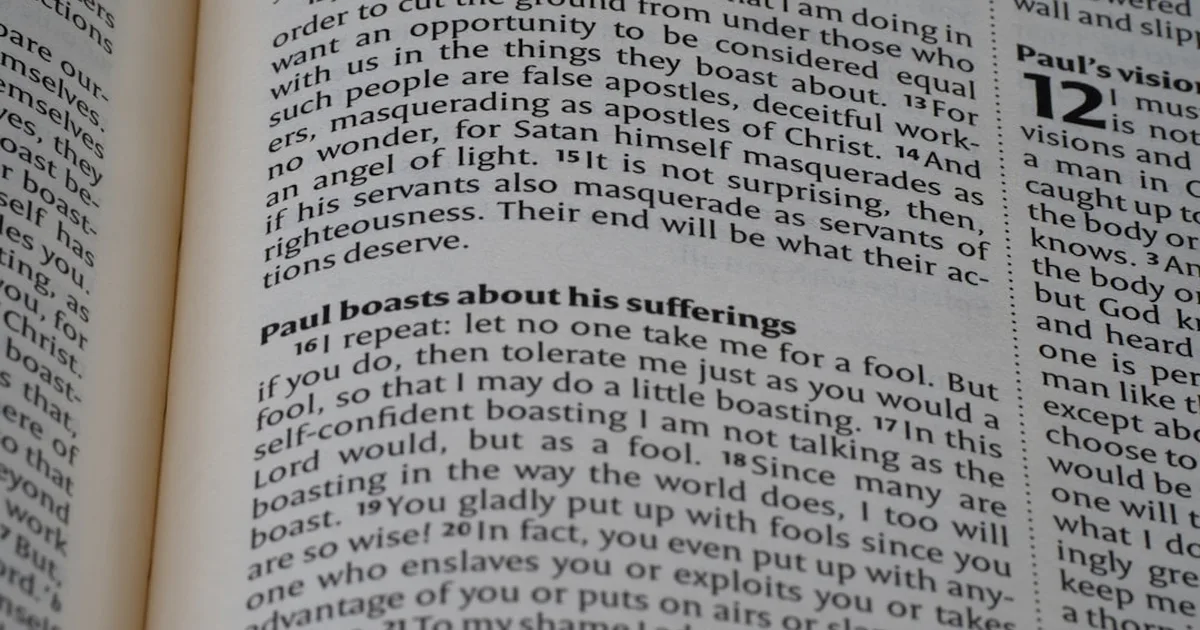
Fasting appears in both the Old and New Testaments, and Jesus Himself taught about it. Remember that Pope Leo XIV, successor to Pope Francis, has encouraged believers to rediscover fasting as a means of prayer and conversion. At EncuentraIglesias.com, we offer an ecumenical perspective, for fasting unites all Christians in a common desire to seek God.
Key Bible Verses on Fasting
Let's dive into some passages that speak directly about fasting. These verses show us that fasting is not just an obligation, but an opportunity for spiritual growth.
Matthew 6:16-18: Jesus' Teaching
Jesus gives clear instruction on how to fast: “When you fast, do not look somber as the hypocrites do, for they disfigure their faces to show others they are fasting. Truly I tell you, they have received their reward in full. But when you fast, put oil on your head and wash your face, so that it will not be obvious to others that you are fasting, but only to your Father, who is unseen; and your Father, who sees what is done in secret, will reward you.” (Matthew 6:16-18, NIV). This Bible verse about fasting teaches us that our motivation should be to please God, not people. Fasting is a matter between you and the Lord, and He sees your heart.
Isaiah 58:6-7: The Fast That Pleases God
The prophet Isaiah reminds us that true fasting goes beyond abstaining from food: “Is not this the kind of fasting I have chosen: to loose the chains of injustice and untie the cords of the yoke, to set the oppressed free and break every yoke? Is it not to share your food with the hungry and to provide the poor wanderer with shelter—when you see the naked, to clothe them, and not to turn away from your own flesh and blood?” (Isaiah 58:6-7, NIV). This passage challenges us to live a fast that translates into concrete acts of love and justice.
Acts 13:2-3: Fasting and Divine Guidance
In the early church, fasting was linked to seeking God's will: “While they were worshiping the Lord and fasting, the Holy Spirit said, ‘Set apart for me Barnabas and Saul for the work to which I have called them.’ So after they had fasted and prayed, they placed their hands on them and sent them off.” (Acts 13:2-3, NIV). Here we see how fasting prepares the heart to receive direction from the Holy Spirit.
The Purpose of Fasting in the Christian Life
Fasting is not an end in itself, but a means to deepen our relationship with God. By depriving ourselves of physical food, we remember that “man shall not live on bread alone, but on every word that comes from the mouth of God” (Matthew 4:4). Fasting helps us discipline our appetites, focus on prayer, and identify with Christ's suffering. Moreover, it unites us as the body of Christ, for when we fast together, we strengthen our brotherly bonds.
Fasting and Prayer: A Powerful Combination
Many Christians find that fasting intensifies their prayer life. When fasting, we dedicate more time to prayer and meditation on the Word. Jesus Himself combined fasting with prayer, especially in times of trial. If you are looking for a Bible verse about fasting that connects it to prayer, look no further: the Gospel of Matthew shows that certain spirits only come out through prayer and fasting (Matthew 17:21). This truth encourages us to persevere in both.
Practical Tips for Fasting
If you have never fasted, start with a partial fast, such as skipping one meal, and use that time for prayer. Choose one day a week to fast and pray for a specific need. Remember to stay hydrated and avoid fasting if you have health issues without consulting a doctor. Most importantly, maintain a humble and expectant heart, trusting that God honors your sacrifice.


Comments