
Fasting is a spiritual practice that has accompanied believers since biblical times. Yet many people have questions about how to do it correctly or what the Bible says about it. In this article, we'll explore a key passage on fasting that will help you understand its purpose and apply it to your daily life. You'll discover that fasting is not just a discipline, but an opportunity to draw closer to God.
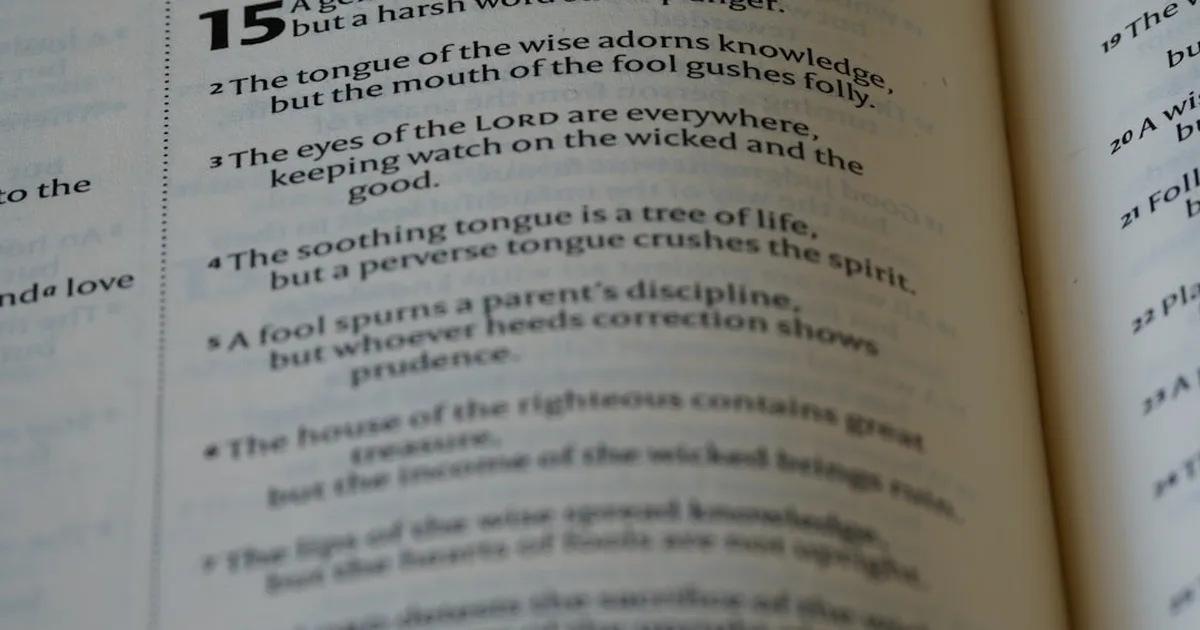
Key Scripture on Fasting: Matthew 6:16-18
One of the clearest passages on fasting is found in the Gospel of Matthew. Jesus himself taught his disciples how to fast in a way that pleases God. In Matthew 6:16-18 (NIV), we read:
“When you fast, do not look somber as the hypocrites do, for they disfigure their faces to show others they are fasting. Truly I tell you, they have received their reward in full. But when you fast, put oil on your head and wash your face, so that it will not be obvious to others that you are fasting, but only to your Father, who is unseen; and your Father, who sees what is done in secret, will reward you.”
This passage teaches us that motivation is key. It's not about impressing others, but about seeking God in intimacy. Jesus invites us to fast with joy and discretion, focusing on the spiritual reward that comes from God, not on human recognition.
The Purpose of Fasting in the Bible
Fasting appears throughout Scripture as an expression of humility, repentance, and seeking God. In the Old Testament, the prophet Isaiah links fasting with social justice: “Is not this the kind of fasting I have chosen: to loose the chains of injustice and untie the cords of the yoke, to set the oppressed free and break every yoke?” (Isaiah 58:6, NIV). This verse reminds us that true fasting leads us to act with compassion and justice.
In the New Testament, we see Jesus fasting for forty days before beginning his ministry (Matthew 4:2). The early Christians also fasted while seeking God's direction, as in Acts 13:2-3, where the church in Antioch fasted and prayed before sending Paul and Barnabas on their missionary journey. Fasting, then, is a tool to align our hearts with God's and receive his guidance.
How to Apply This Teaching in Your Life
Spiritual Preparation
Before you fast, spend time in prayer and study of the Word. Ask yourself: What is my motivation? Am I seeking God or something else? The passage in Matthew encourages us to have a sincere heart. You can start with partial fasts, like skipping one meal, and then progress to longer fasts based on your health and spiritual maturity.
Right Attitude
Jesus tells us not to show sadness or neglect our appearance. This doesn't mean fasting is easy, but that our confidence is in God, not in our works. Maintain an attitude of joy and expectation, knowing that God sees your effort and will reward you.
Pair Fasting with Prayer and Bible Reading
Fasting without prayer is just a diet. Use the time you would normally spend eating to read the Bible and pray. Meditate on verses like Isaiah 58 or Matthew 6, and ask God to reveal areas of your life that need change. The Scripture on fasting reminds us that the goal is inner transformation, not just physical abstinence.
Spiritual Benefits of Fasting
- Greater sensitivity to the Holy Spirit: By fasting, we quiet physical desires and open ourselves to God's voice.
- Strengthened faith: Depending on God for our basic needs increases our trust in Him.
- Breaking of bondages: Fasting can break patterns



Comments