
Baptism is the first sacrament of Christian initiation. It washes away original sin, makes us children of God and members of the Church, and marks the beginning of a life in Christ. For infants, it is a gift of grace that parents seek for their child; for adults, it is a conscious step of faith.
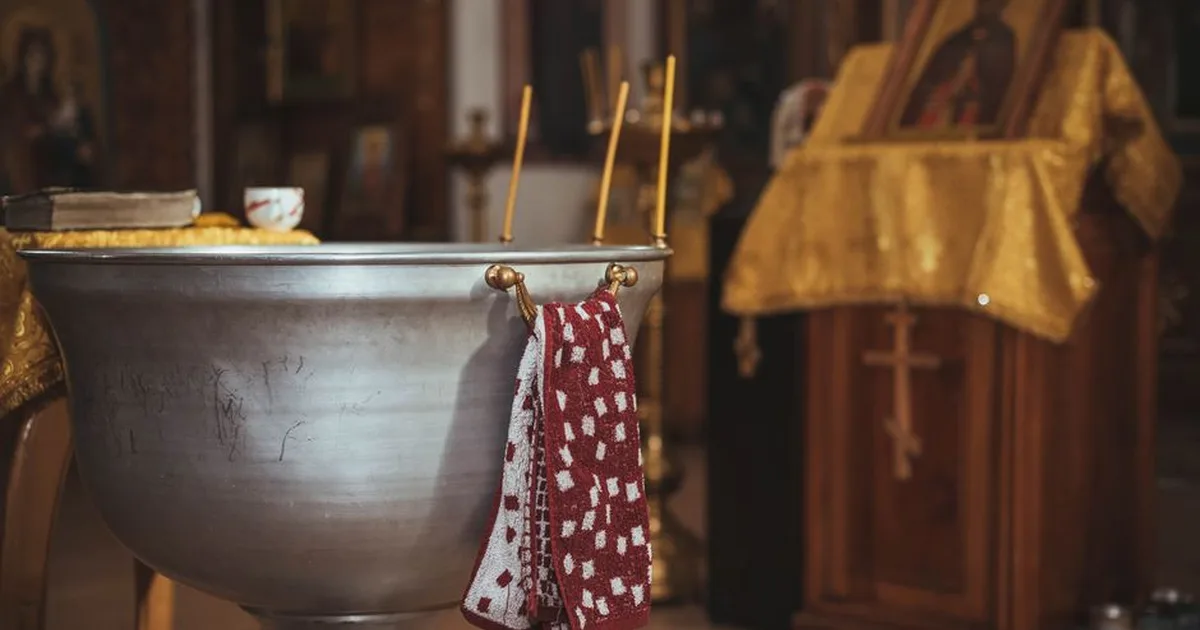
Baptism for Infants (Babies & Young Children)
Most parishes welcome families who wish to have their child baptized. While specific requirements vary by parish and country, the general process is as follows.
Step 1: Contact Your Local Parish
Start by reaching out to the parish where you regularly attend Mass, or the parish in whose territory you live. A parish secretary or priest will guide you through their particular process, including any required preparation and paperwork.
Step 2: Attend a Baptism Preparation Session
Most parishes require parents to attend a preparation class or a meeting with the priest. This session explains the meaning of baptism, the responsibilities of parents and godparents, and the details of the ceremony. It is also a chance to ask questions and get to know the parish community.
Step 3: Choose Godparents
Godparents (also called sponsors or padrinos) play a vital role in the child’s faith life. The Church sets clear criteria:
- Be at least 16 years old (unless the diocesan bishop sets a different age).
- Be a baptized Catholic who has received First Communion and Confirmation.
- Be a practicing Catholic, living a life consistent with the faith.
- Not be the child’s parent.
- If married, be married in the Catholic Church (or in a marriage recognized by the Church).
At least one godparent must meet these criteria. A baptized non-Catholic Christian may serve as a “Christian witness” alongside a Catholic godparent, but cannot be the sole sponsor.
Step 4: Gather Required Documents
Parishes typically ask for:
- The child’s civil birth certificate (or hospital record).
- If the parents are married in the Catholic Church, a copy of their marriage certificate.
- Godparents’ certificates of baptism (and sometimes confirmation) issued within the past 6–12 months.
- Completed registration forms provided by the parish.
Note: Requirements vary. Always confirm with your parish.
Step 5: Schedule the Baptism
Once preparation is complete and documents are submitted, you can schedule a date. Many parishes baptize during Sunday Mass, but private ceremonies on Saturdays or Sundays are also common. There is no set “age limit” for infant baptism; most parishes baptize within the first few months, but older children can also be baptized after appropriate preparation.
What Happens During the Baptism Rite?
The ceremony includes several beautiful symbols:
- Water – The essential element: the priest pours water over the child’s head (or immerses) saying, “I baptize you in the name of the Father, and of the Son, and of the Holy Spirit.”
- Sacred Chrism – The child is anointed with oil, signifying being sealed with the Holy Spirit.
- White Garment – A white cloth or clothing is placed on the child as a sign of new life in Christ.
- Baptismal Candle – A candle lit from the Easter candle is given to the parents or godparents, representing the light of Christ.
Baptism for Adults
If you are an adult (age 7 or older) seeking baptism, you will enter the Rite of Christian Initiation of Adults (RCIA). This is a journey of faith that includes catechesis, prayer, and community. You will be baptized at the Easter Vigil, along with receiving Confirmation and First Communion. Contact your local parish to begin the process. There is no cost for the sacraments; any offering is voluntary.
Important Reminder
Exact requirements, documents, timelines, and any offerings vary by parish, diocese, and country. Please confirm all details with your local parish. This guide is a general overview to help you prepare.
Find a church near you
The practical first step is to contact your local parish. EncuentraIglesias is a directory of 516,000+ churches across 14 countries — use it to find the nearest one and get in touch.

Comments