
Confession is a gift from God to restore our relationship with Him and with others. If you've ever wondered how to make a confession, this guide will walk you through it simply and pastorally. Whether it's been a long time or it's your first time, the important thing is to come with a sincere heart.
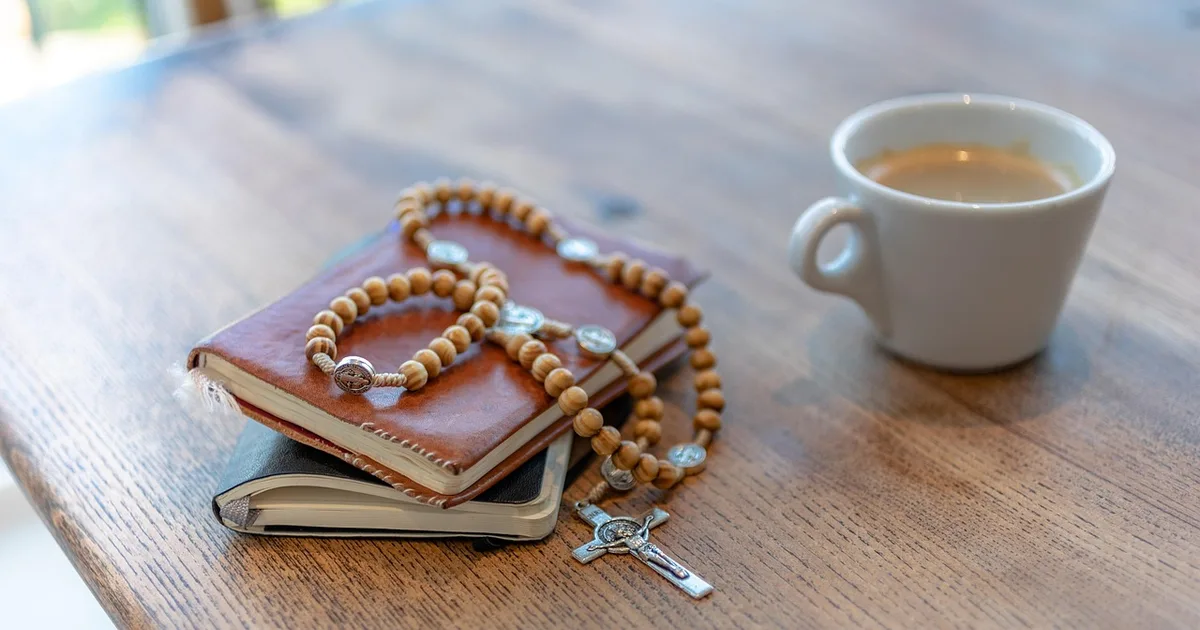
What Is Confession and Why Is It Important?
Confession is the act of acknowledging our sins before God, trusting that He is faithful and just to forgive us. In 1 John 1:9 we read: "If we confess our sins, he is faithful and just and will forgive us our sins and purify us from all unrighteousness" (NIV). This sacrament not only reconciles us with God but also helps us grow in humility and receive grace to live a new life.
Preparing for Confession
Before you confess, take time to examine your conscience. You can pray asking the Holy Spirit to show you areas where you have fallen short. Ask yourself: Have I loved God above all things? Have I respected my neighbor? Have I been honest, generous, and pure of heart? Write down your sins on paper if it helps you remember them.
Practical Steps for an Examination of Conscience
You can use the Ten Commandments or the Beatitudes as a guide. For example, reflect on whether you have lied, stolen, coveted what belongs to others, or had impure thoughts or actions. Also consider whether you have forgiven those who have offended you. Remember, confession is not a judgment but medicine for the soul.
How to Make a Confession Step by Step
Now let's look at the concrete process. Follow these steps with confidence:
- Approach the priest or pastor: Introduce yourself and mention how long it has been since your last confession. For example: "Father, it has been a month since my last confession."
- Confess your sins: List your sins clearly and sincerely, starting with the most serious ones. You don't need to give unnecessary details; just mention the type of sin and, if serious, how many times it occurred.
- Listen to the counsel: The minister will give you words of encouragement and assign a penance (for example, pray an Our Father or do a work of charity).
- Recite the act of contrition: Express your sorrow in your own words or with a prayer like: "My God, I am sorry for my sins with all my heart..."
- Receive absolution: The priest will pronounce the words of forgiveness. Listen carefully and respond "Amen."
- Fulfill the penance: Perform the prayer or action as soon as possible, as a sign of your desire to make amends.
Tips for a Sincere Confession
Don't be afraid to say everything that weighs on your heart. God already knows your failures, but He wants to hear them from your lips to give you His peace. If you forget a sin, don't worry; the confession is valid, but mention it next time. Remember, God's forgiveness is unconditional.
After Confession: Living in Grace
Once you have received forgiveness, strive to avoid occasions of sin. Strengthen your faith through daily prayer, reading the Bible, and participating in the Christian community. As James 5:16 says: "Therefore confess your sins to each other and pray for each other so that you may be healed" (NIV). Confession is not a one-time event but an ongoing journey of conversion.
"If we confess our sins, he is faithful and just and will forgive us our sins and purify us from all unrighteousness." (1 John 1:9, NIV)
Don't let fear or shame keep you away from this sacrament. Jesus himself instituted confession to give us peace and freedom. Come with confidence and experience God's restoring love.




Comments