
The Liturgy of the Hours, also known as the Divine Office, is a form of prayer that the Church has practiced since the earliest centuries. It involves sanctifying the day with set times of prayer, following the example of the apostles and early Christians. By praying the psalms, reading Scripture passages, and lifting up petitions, you join in the continuous praise the Church offers to God. Whether you are Catholic, Protestant, or Evangelical, this ecumenical practice invites you to unite your voice with believers from all traditions.
For many, the Liturgy of the Hours may seem complex at first, but it is actually an accessible tool that transforms your daily routine into an ongoing dialogue with the Creator. By pausing several times a day to pray, you learn to live in God's presence and find peace amid the busyness. As Psalm 119:164 says, "Seven times a day I praise you for your righteous laws" (NIV).
Spiritual Benefits of the Liturgy of the Hours
Incorporating the Liturgy of the Hours into your daily life brings many benefits. First, it helps you establish a consistent prayer discipline. Instead of praying only when you feel a need, you learn to pray at specific times, creating a rhythm that structures your day around God. Second, it immerses you in Scripture in a deep and varied way, as each hour includes psalms, Bible readings, and canticles.
Moreover, this practice connects you with the universal Church. When you pray the Liturgy of the Hours, you know that thousands of Christians around the world are praying the same words at that very moment. It is a beautiful expression of communion that transcends denominations and borders. As the apostle Paul expressed, "Pray in the Spirit at all times, with every kind of prayer and petition" (Ephesians 6:18, NIV).
How to Get Started with the Liturgy of the Hours
Choose a Format That Works for You
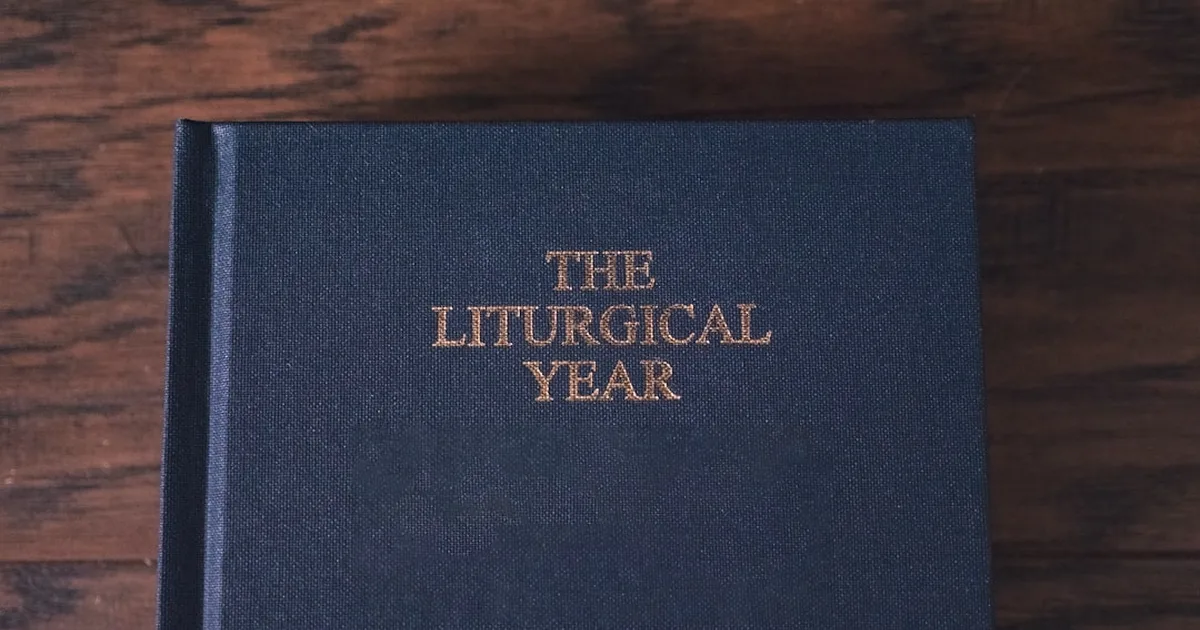
You don't need a complicated book to begin. Today, there are mobile apps, websites, and simplified printed versions. You can start with a free app like "La Liturgia de las Horas" or "iBreviary," which guide you step by step. There are also online versions that include the daily readings. If you prefer the traditional route, the four-volume set "The Liturgy of the Hours" is an option, but it's not necessary to start.
Begin with One Hour a Day
Don't overwhelm yourself by trying to pray all the hours from day one. Start with one, such as Morning Prayer (Lauds) or Evening Prayer (Vespers). Spend 10–15 minutes reading the psalms, the short reading, and the prayers. Over time, you can add more hours as your schedule allows. What matters is consistency, not quantity.
Use Available Resources
Many parishes and communities offer free guides. You can also search on YouTube or podcasts that pray the Liturgy of the Hours aloud. This will help you become familiar with the structure and rhythm. Remember, it's not about perfection but about opening your heart to God at key moments of the day.
Basic Structure of the Liturgy of the Hours
Each liturgical hour follows a similar pattern. Typically, it includes:
- Opening Invocation: "O God, come to my aid; O Lord, make haste to help me" (Psalm 70:2).
- Hymn: A song that introduces the theme of the hour or the liturgical season.
- Psalms: Two or three psalms with antiphons to aid meditation.
- Short Reading: A passage from the Bible, usually from the New Testament.
- Responsory: A short response to God's Word.
- Gospel Canticle: At Morning Prayer, the Benedictus (Luke 1:68–79); at Evening Prayer, the Magnificat (Luke 1:46–55).



Comments