
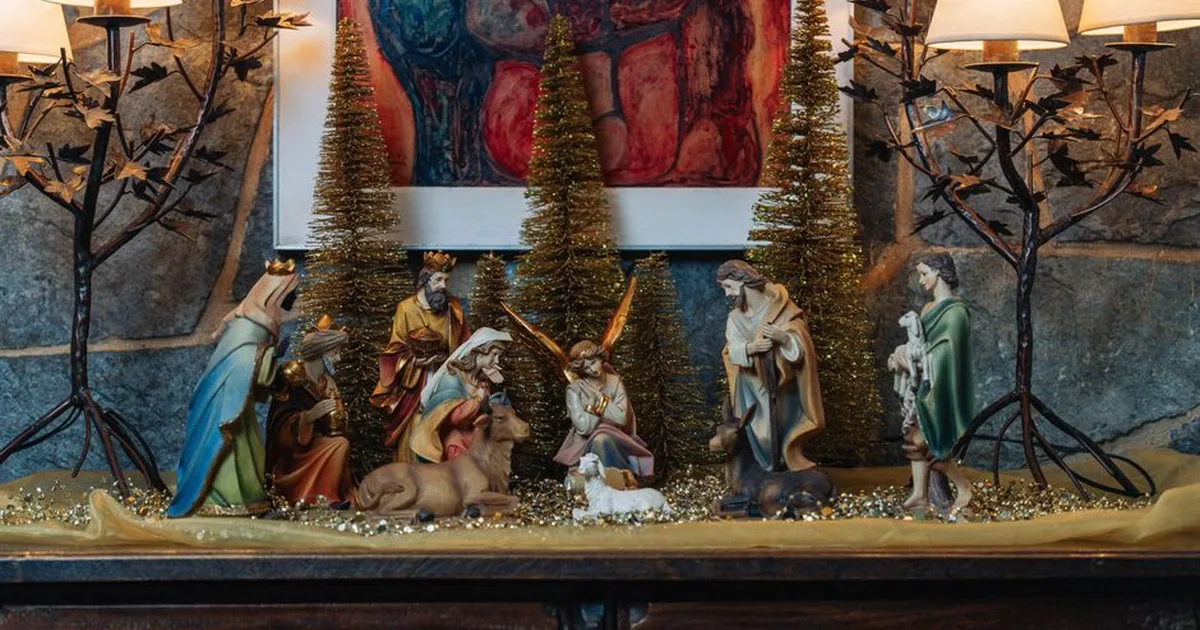
When December arrives, the air fills with melodies that carry us to the manger in Bethlehem. Christmas carols are more than just popular songs; they are an expression of faith, joy, and community that has accompanied Christians for centuries. In this article, we will explore their origin, their spiritual meaning, and how you can incorporate them into your family celebration. May these songs help you prepare your heart to welcome the baby Jesus.
Origin and History of Carols
From Villages to Churches
The word “carol” comes from the French “carole,” a circle dance accompanied by singing. Originally, they were folk songs sung by peasants and shepherds. Over time, the Church adopted these melodies to celebrate Christmas, transforming them into hymns that told the story of Luke 2:1-20. During the 16th century, composers like Juan del Encina elevated carols to a refined art, while keeping them accessible to all.
Reformation and Baroque
In the 17th century, carols became a powerful catechetical tool. In Spain and Latin America, they were adapted to local languages, blending indigenous traditions with Christian faith. The carol “Riu, riu, chíu” from the Cancionero de Upsala (1556) is an example of how music could convey theological truths joyfully.
The Spiritual Meaning of Carols
Carols not only brighten the atmosphere; they also remind us of the mystery of the Incarnation. As John 1:14 says, “The Word became flesh and made his dwelling among us.” Each verse of a carol is a proclamation of that central truth of our faith. When we sing “Silent Night” or “The First Noel,” we join our voices with the angels who announced the Savior’s birth (Luke 2:13-14).
How to Incorporate Carols into Your Celebration
Prepare a Varied Repertoire
Choose carols ranging from traditional ones like “O Come, All Ye Faithful” to contemporary versions. Remember, the goal is to praise God and create a family atmosphere. You can include simple instruments like tambourines or drums.
Sing with Family and Community
Organize a carol night with your loved ones. Read the passage from Luke 2 before singing, and have a brief reflection on the meaning of each song. Children will especially enjoy it if you let them play an instrument or use hand motions.
Use Carols as Prayer
Before bed, sing a carol softly. Let the melody lead you to contemplate the manger. Psalm 100:1-2 invites us: “Shout for joy to the Lord, all the earth. Worship the Lord with gladness; come into his presence with singing.” Carols are a beautiful way to fulfill this command.
Frequently Asked Questions about Carols
What is the oldest carol?
One of the oldest is “Veni, redemptor gentium” (Come, Redeemer of the nations), from the 4th century, though in English “The First Noel” dates from the 16th century.
Can carols be sung at any time of year?
Although traditionally associated with Christmas, there is no reason not to sing them throughout the year, especially during celebrations that recall Jesus’ birth.
Why do some carols have joyful lyrics and others more solemn?
They reflect different aspects of Christmas: the joy of birth, the tenderness of the Child, or the solemnity of the mystery of God becoming man. Both tones are valid and enrich our experience.
Conclusion: A Song That Unites Generations
Christmas carols are a treasure of our faith. They connect us with the history of salvation and with millions of Christians who, over the centuries, have raised their voices to celebrate the birth of Christ. May this Christmas, your carols fill your home with peace and hope.



Comments