
At the heart of church life, worship and Christian education are two pillars that support the spiritual growth of the community. Recently, brothers and sisters from different places gathered to reflect on how to make these spaces a true encounter with God. Over two days, they shared experiences, sang together, and sought practical ways for everyone—from the youngest to adults—to feel like active members of the body of Christ.
Hospitality marked this event. From the moment of arrival, every detail spoke of care and brotherly love. It was not just about learning, but about living the communion that the Holy Spirit weaves among believers. As Scripture says:
“For where two or three gather in my name, there am I with them” (Matthew 18:20, NIV).
Worship as an Encounter with God
One of the central themes was how worship can be a bridge connecting the community to God’s love. It is not just about following an order, but about creating an environment where each person can experience the divine presence. Participants reflected on the importance of using language and symbols that speak to everyone’s heart, especially the younger generations.
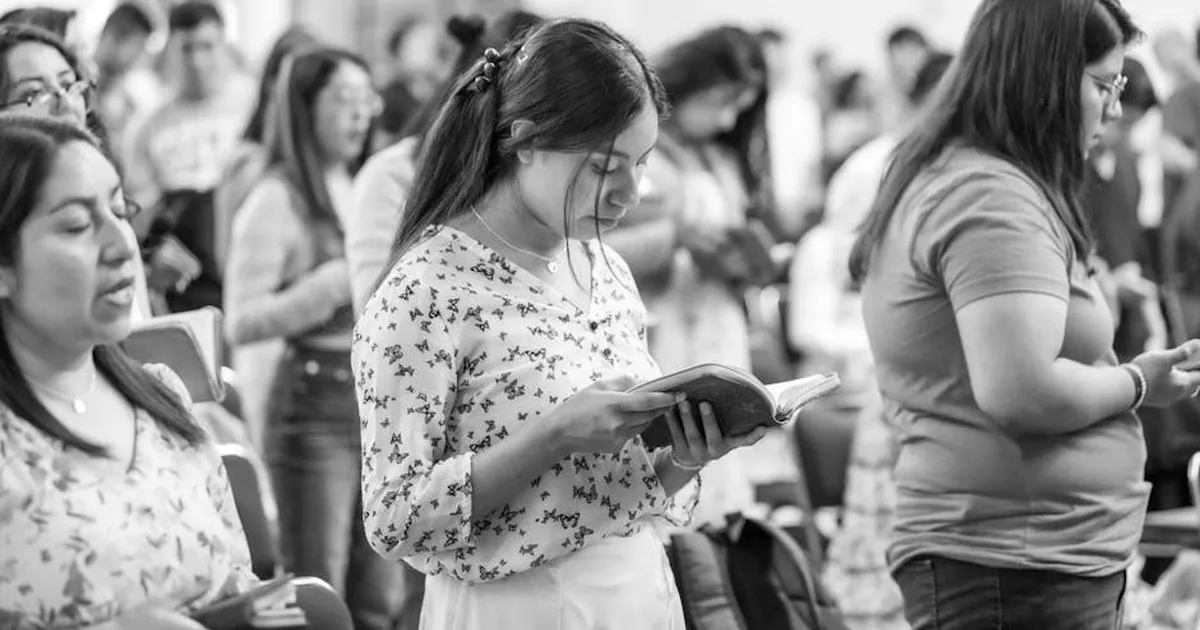
Worship is not a performance, but a celebration of faith. Therefore, emphasis was placed on including elements that invite active participation: songs, prayers, Bible readings, and moments of silence. All of this should be infused with a spirit of genuine adoration. As Paul reminds us:
“Speak to one another with psalms, hymns, and songs from the Spirit. Sing and make music from your heart to the Lord” (Ephesians 5:19, NIV).
The Role of Music in Worship
Music was a thread throughout the gathering. They learned new songs that became a common language, uniting people of different ages and backgrounds. Music has the power to touch the soul and prepare the heart to receive the Word. Therefore, it is important to choose songs that reflect the theological richness of our faith and are accessible to the whole congregation.
Christian Education for All Ages
Another key aspect was Christian education, especially for children and teenagers. The church is called to accompany the faith growth of new generations, offering spaces where they can ask questions, discover the Bible, and form their own Christian identity. During the workshop, practical strategies were shared to make teaching dynamic, relevant, and adapted to each stage of life.
It is not just about transmitting information, but about forming disciples who love God and serve their neighbor. As Jesus said:
“Let the little children come to me, and do not hinder them, for the kingdom of heaven belongs to such as these” (Matthew 19:14, NIV).
Creating Safe Spaces for Faith
It is essential that children and young people feel valued and heard in the community. Therefore, ideas were proposed to create environments where they can express their doubts and celebrate their achievements. Christian education is not a monologue, but a dialogue where everyone learns from each other.
Sharing the Table: Fraternal Communion
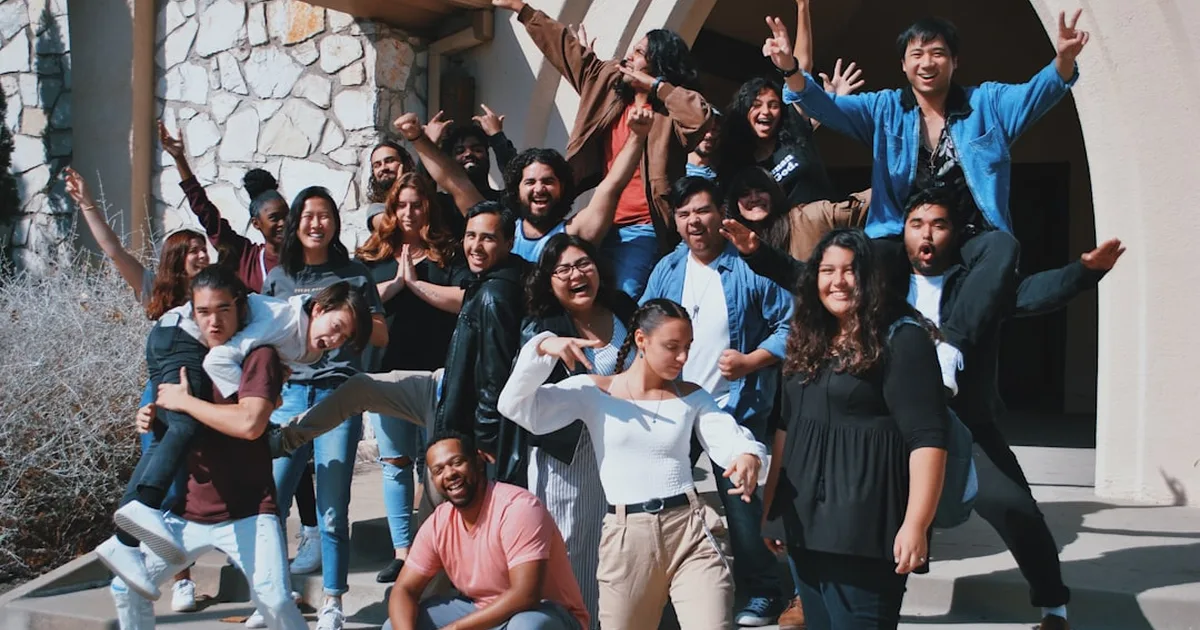
The gathering culminated with a special service and a shared meal. The Eucharistic celebration was led by the local pastor, and joy was tangible in every hug and smile. Sharing the table is a profound act of communion, where we remember that we are one body in Christ. As it is written:
“Every day they continued to meet together in the temple courts. They broke bread in their homes and ate together with glad and sincere hearts” (Acts 2:46, NIV).
These moments strengthened the bonds of love and reminded everyone that the church is not a building, but a family of faith. The event concluded with a commitment: to continue working together so that worship and Christian education are always pathways to a living faith shared in community.



Comments