
The word liturgy might sound formal or distant to many Christians, but it actually describes something very simple and profound: the work of God's people in worship. When we gather to celebrate our faith, whether in a crowded church or a small group, we are participating in liturgy. It's not just a set of rituals; it's the beating heart of Christian life, where we encounter God and one another in a special way.
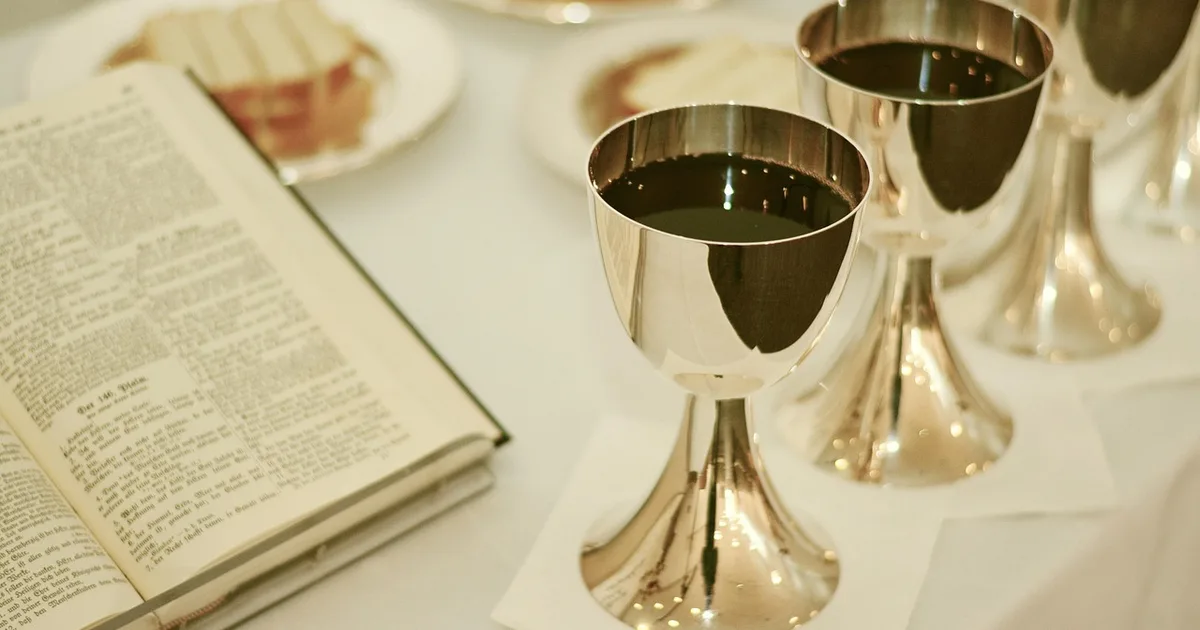
In the Bible, we see examples of liturgy from the Old Testament. The people of Israel gathered to offer sacrifices, sing psalms, and hear the Word. In Exodus 24, we read:
“Moses wrote down all the words of the Lord. He got up early the next morning and built an altar at the foot of the mountain and set up twelve stone pillars representing the twelve tribes of Israel.”This structure of worship pointed to God's presence among his people. Today, Christian liturgy continues that legacy, adapting to different traditions while keeping the focus on Christ.
For many, liturgy can seem repetitive. However, this repetition is like spiritual breathing: it helps us internalize foundational truths. Every time we repeat the Lord's Prayer or participate in the Lord's Supper, we are being shaped by God's grace. Liturgy is not a show; it's an encounter. It's where heaven and earth meet, and where we are reminded that we are not alone on the journey of faith.
The Elements of Christian Liturgy
The Word and the Table
In many churches, liturgy is divided into two main parts: the liturgy of the Word and the liturgy of the Table (or Communion). In the liturgy of the Word, we hear the Scriptures read and proclaimed. It is the moment when God speaks to us through the Bible. In Acts 2, we read that the first Christians “devoted themselves to the apostles' teaching and to fellowship, to the breaking of bread and to prayer” (Acts 2:42, NIV). This verse shows how the Word and the Table have always gone together.
The liturgy of the Table, on the other hand, is the moment we respond to God with gratitude. As we celebrate the Lord's Supper, we remember Jesus' sacrifice and proclaim his death until he comes (1 Corinthians 11:26). This part of the liturgy connects us to one another as the body of Christ, breaking down barriers of race, class, or denomination.
Prayer and Praise
Another essential element of liturgy is communal prayer. When we pray together, we are not just talking to God; we are aligning ourselves with his will and interceding for the world. Praise is also an integral part of liturgy. The Psalms are a perfect example of how music and poetry have always been present in worship. Singing together unites us in one voice, expressing joy, sorrow, repentance, and hope.
Many traditions also include moments of silence, confession, and absolution. These elements help us enter God's presence with humility and receive his forgiveness. Liturgy, therefore, is not just a program; it's a rhythm that invites us to pause, reflect, and reconnect with the sacred.
Liturgy and Everyday Life
Liturgy doesn't end when we leave church. In fact, the true liturgy continues in our daily lives. The apostle Paul urges us in Romans 12:1:
“Therefore, I urge you, brothers and sisters, in view of God's mercy, to offer your bodies as a living sacrifice, holy and pleasing to God—this is your true and proper worship.”This means that our whole life can be a liturgy—an act of worship to God. Every job, every relationship, every choice can be done for God's glory.
A practical way to live liturgy outside church is to create small daily rituals. For example, starting the day with a prayer of gratitude, reading a Bible passage before meals, or ending the day reflecting on how we saw God at work. These habits help us keep our focus on Christ and transform the ordinary into the sacred.
Liturgy also reminds us that we are part of something bigger. When we participate in Sunday liturgy, we join with the universal church, the saints of the past, and the angels in heaven. It's a foretaste of the great heavenly feast where every nation and tongue will worship the Lamb together. May every time you enter a liturgical service be with an open heart, ready to encounter God and be transformed.


Comments