
In a world that often feels fractured, there is something profoundly beautiful about Christians from different traditions coming together in prayer. Whether it's a small group meeting in a living room or a global initiative spanning continents, united prayer has the power to break down walls and remind us of our common identity in Christ. As the Apostle Paul wrote, 'There is one body and one Spirit—just as you were called to the one hope that belongs to your call—one Lord, one faith, one baptism' (Ephesians 4:4-5, ESV). This unity is not about uniformity; it is about celebrating the diversity of gifts and backgrounds while standing together under the lordship of Jesus.
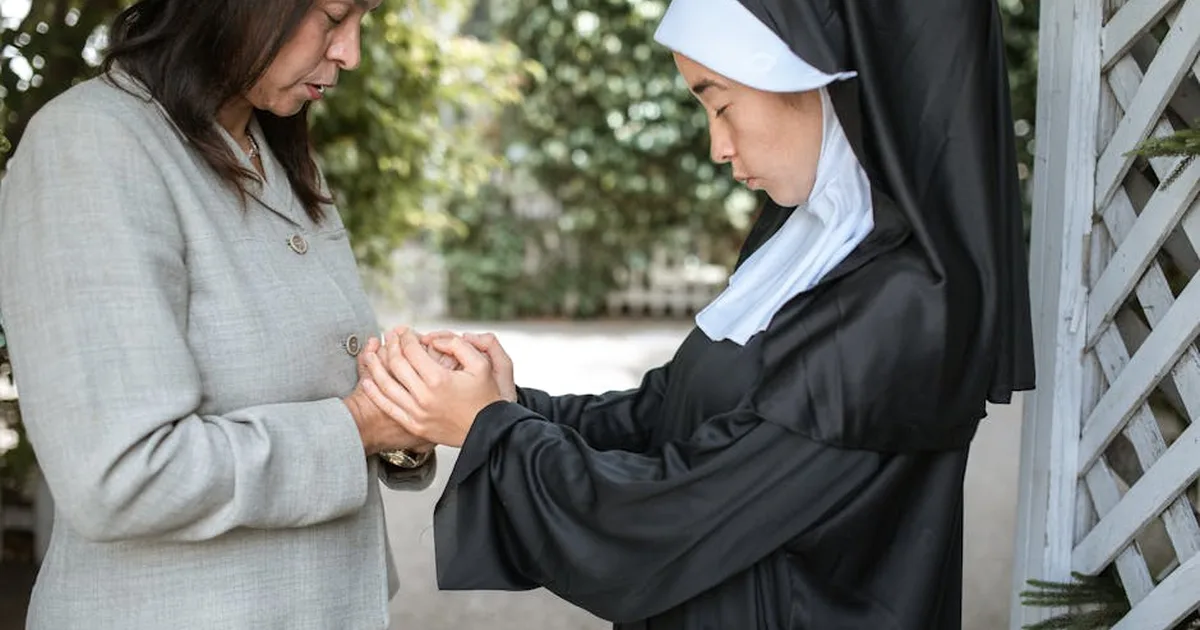
Across the globe, churches are rediscovering the ancient practice of praying together. From the 'Thy Kingdom Come' initiative to local ecumenical prayer groups, believers are learning that when we pray, we align our hearts with God's purposes and with one another. This article explores the biblical foundation for united prayer, shares practical examples from today's church life, and offers encouragement for those who long to see greater unity in their own communities.
Biblical Foundations for United Prayer
The Bible is filled with examples of God's people praying together. In the Old Testament, we see the nation of Israel gathering for corporate worship and intercession. One of the most striking examples is found in 2 Chronicles 7:14, where God says, 'If my people who are called by my name humble themselves, and pray and seek my face and turn from their wicked ways, then I will hear from heaven and will forgive their sin and heal their land' (ESV). This promise is not just for ancient Israel; it echoes through the ages, calling God's people to collective humility and prayer.
In the New Testament, the early church was marked by devoted prayer. Acts 2:42 tells us, 'And they devoted themselves to the apostles' teaching and the fellowship, to the breaking of bread and the prayers' (ESV). This was not a scattered group of individuals; they were united in purpose and in spirit. When Peter was imprisoned, the church gathered to pray earnestly for him (Acts 12:5). Their united prayer led to a miraculous release. Jesus himself promised, 'Again I say to you, if two of you agree on earth about anything they ask, it will be done for them by my Father in heaven. For where two or three are gathered in my name, there am I among them' (Matthew 18:19-20, ESV). This promise underscores the power of agreement in prayer.
Contemporary Examples of United Prayer
Today, many churches and organizations are taking this biblical mandate seriously. One inspiring example is the annual 'Week of Prayer for Christian Unity,' observed by many denominations around the world. During this week, congregations from different traditions—Catholic, Protestant, Orthodox—come together to pray for the unity Christ desires. This practice dates back to the early 20th century and has grown into a global movement. In many cities, local pastors meet regularly to pray for their communities, setting aside denominational differences to focus on shared mission.
Another powerful example is the 'Prayer for the City' initiatives, where churches in a given region coordinate to pray for specific needs—schools, government, families, and the vulnerable. These efforts often lead to tangible acts of service and reconciliation. In some places, churches have even formed 'prayer walking' groups, where believers walk through neighborhoods praying for peace and blessing. These simple acts can transform the spiritual atmosphere and create opportunities for gospel witness.
Digital technology has also enabled new forms of united prayer. Online prayer chains, video prayer meetings, and social media prayer events allow Christians from different time zones and backgrounds to intercede together. While virtual prayer cannot replace face-to-face fellowship, it can supplement and expand our ability to pray with the global body of Christ.
Practical Steps for Fostering Unity in Prayer
If you are longing to see more unity in your local church or community, here are some practical steps you can take:
- Start small: Invite two or three other believers from different traditions to pray together regularly. It could be weekly or monthly. Focus on shared concerns rather than theological differences.
- Use Scripture as your guide: Pray through passages like the Lord's Prayer or the High Priestly Prayer of Jesus in John 17. These prayers model the heart of Christ for unity.
- Incorporate confession and repentance: Unity often requires acknowledging past divisions and seeking forgiveness. A time of humble confession can open the door for deeper fellowship.
- Pray for specific needs: Instead of vague prayers, identify concrete needs in your community or world and intercede together. This builds a sense of shared mission.
- Celebrate answered prayers: Keep a record of what God does in response to your united prayers. Sharing testimonies strengthens faith and encourages continued unity.
Remember, unity does not mean ignoring differences. It means loving one another despite them, and seeking God's heart together. As the writer of Hebrews encourages, 'Let us consider how to stir up one another to love and good works' (Hebrews 10:24, ESV).
Reflection: A Question for the Reader
As you reflect on the power of united prayer, consider this: Who in your community might you reach out to for shared prayer? It could be a neighbor from a different church, a coworker who shares your faith, or a local pastor you've never met. Take a step this week to initiate a conversation about praying together. You might be surprised by the doors God opens. As we pray together, we not only draw closer to God but also to one another, becoming a living testimony of the gospel's reconciling power.
'May the God of endurance and encouragement grant you to live in such harmony with one another, in accord with Christ Jesus, that together you may with one voice glorify the God and Father of our Lord Jesus Christ.' (Romans 15:5-6, ESV)



Comments