
Recently, an incident in Colombia has raised an uncomfortable question: how far can a government leader go when criticizing a religious figure? It all began when President Gustavo Petro, during a live broadcast of a cabinet meeting, sharply rebuked a priest from the Parish of the Holy Family in Bogotá. The reason: the priest had preached against communism in his homilies. Petro, visibly upset, told him, "If you don't like it, shut up," and also ordered the national police to investigate the clergyman.
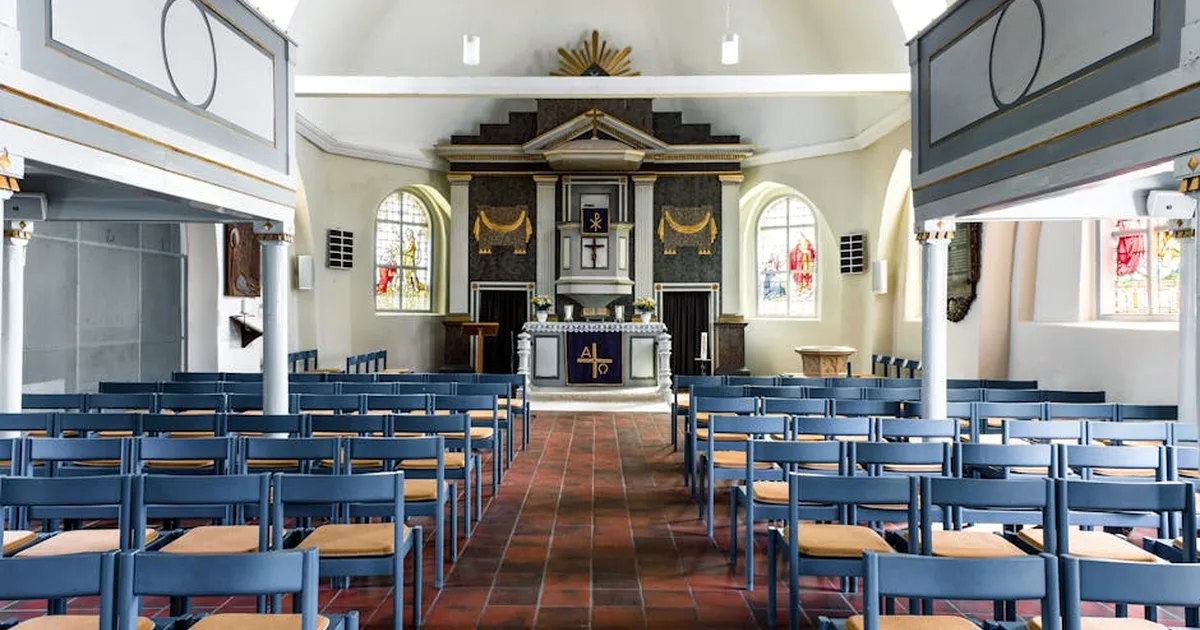
This episode has triggered a wave of reactions across the country. Many wonder whether this is an attack on religious freedom or simply a politician defending his views in a tense electoral context. What is certain is that the president's words have opened a necessary debate about the role of the Church in public life and the limits of state power over the conscience of believers.
The Tension Between Political Power and the Freedom to Preach
Religious freedom is a fundamental right recognized in most democratic constitutions. In Colombia, the 1991 Constitution guarantees freedom of worship and freedom of expression, even in the religious sphere. However, when a president orders an investigation into a priest for what he says from the pulpit, a delicate line is crossed.
President Petro justified his reaction by arguing that sermons could influence voters and incite violence, recalling historical episodes where anti-communist rhetoric was linked to armed conflicts. But is it valid to equate a priest's preaching with incitement to violence? The Bible itself calls us to be prudent, but also to proclaim the truth without fear. As Proverbs 31:8-9 says, "Speak up for those who cannot speak for themselves, for the rights of all who are destitute. Speak up and judge fairly; defend the rights of the poor and needy."
Religious leaders have the responsibility to guide their communities according to the principles of the Gospel, but they must also do so with respect and without falling into hate speech. In this case, the priest was expressing a political stance from his faith, something common in many churches. The question is: should the state intervene when a religious figure speaks about politics?
The Role of the Church in the Public Sphere
From its beginnings, the Church has had a prophetic voice in society. Jesus himself did not hesitate to confront the authorities of his time when necessary. In Matthew 22:21, Jesus said, "Give back to Caesar what is Caesar's, and to God what is God's." This verse reminds us that there is a sphere that belongs to God and that the state should not invade.
In Latin America, the Church has played an important role in defending human rights and denouncing injustices. However, there have also been times when religious leaders have been persecuted for their ideas. The incident in Colombia is a reminder that religious freedom is not guaranteed forever and that we must be vigilant against any attempt to silence the Church.
It is important that Christians pray for our authorities, as instructed in 1 Timothy 2:1-2: "I urge, then, first of all, that petitions, prayers, intercession and thanksgiving be made for all people— for kings and all those in authority, that we may live peaceful and quiet lives in all godliness and holiness." But we must also raise our voices when our rights are violated.
Final Reflection: How Should We Respond as Christians?
This case invites us to reflect on how we balance our loyalty to God and our earthly citizenship. It is not about choosing between being good Christians or good citizens, but about living our faith in an integrated way,




Comments