
Dear sisters and brothers in Christ, the Gospel passage presented to us today is a word of hope for every time and place. In its simplicity, the Gospel of John shows us a scene that touches the deepest chords of human experience: hunger, sharing, divine providence. As a Christian community, we are invited to meditate on this episode not as a mere historical event, but as a living teaching for our daily faith.
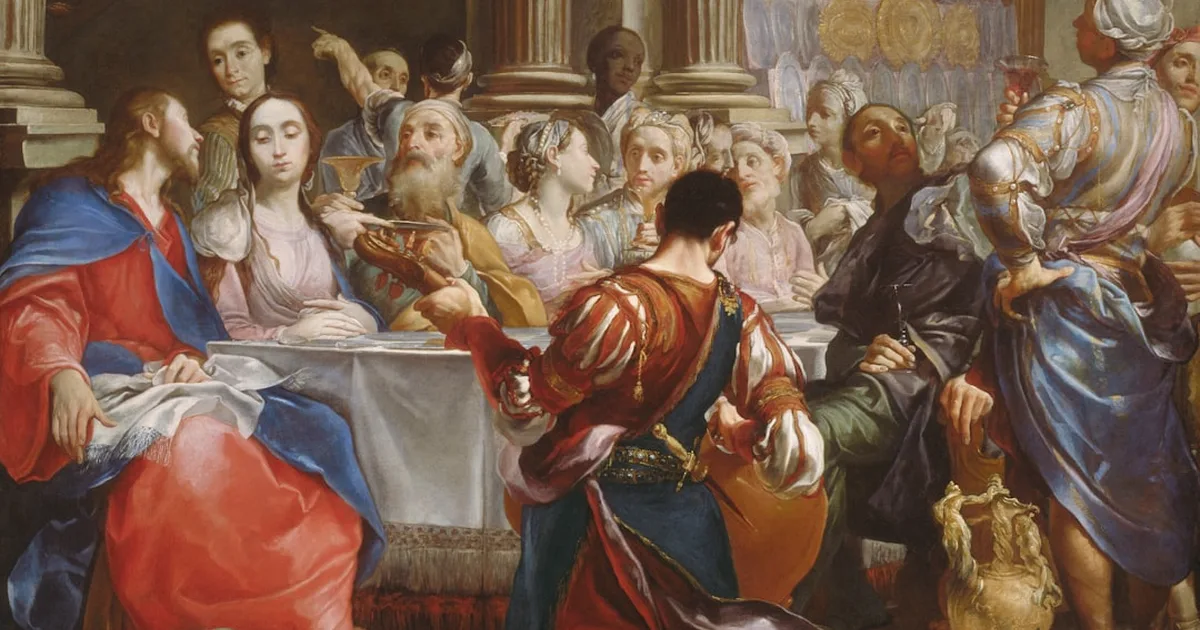
The sacred text describes a large crowd following Jesus, drawn by his words and the signs he performed. These people, driven by the desire to encounter the Master, find themselves in a deserted place, far from their homes and security. The situation facing the apostles is humanly complicated: thousands of hungry people and few resources available. It is in this context that Jesus' question emerges, addressed first to the disciples and then to each of us through the pages of Scripture.
The Question That Echoes Through Centuries
"Where shall we buy bread for these people to eat?" (John 6:5). These words of Christ were not confined to the time of the apostles but continue to question every generation of believers. Jesus' question reaches us in our communities, families, and workplaces. It challenges us as individuals and as Church, calling us to a concrete response in the face of our brothers' and sisters' needs.
The reaction of Philip, one of the disciples, often reflects our own mindset: "Eight months' wages would not buy enough bread for each one to have a bite!" (John 6:7). Faced with the challenges around us - material poverty, loneliness, lack of hope - we can feel overwhelmed by the enormity of the need and the limitation of our resources. It is precisely in this moment of confusion that the Gospel offers us a different perspective, a vision that surpasses human calculation.
The Little That Becomes Much
In the Gospel account, Andrew emerges, presenting to Jesus a boy with five barley loaves and two small fish. His observation - "But how far will they go among so many?" (John 6:9) - well expresses our sense of inadequacy. Often our contribution, our abilities, our time seem insufficient to make a difference. Yet, it is precisely this "little" that Jesus takes in his hands to transform into abundance.
Christ's gesture is significant: before distributing the food, "Jesus then took the loaves, gave thanks, and distributed to those who were seated" (John 6:11). The action of giving thanks is not a ritual formality but a recognition that everything comes from God and returns to Him. This attitude of gratitude radically changes our perspective: we are not owners of the goods we have, but stewards of received gifts.
The Logic of Sharing
The miracle of the multiplication of the loaves does not happen by magic but through a process of blessed sharing. Jesus does not create food from nothing in a spectacular way but takes what is available - however modest - and makes it circulate through the hands of the disciples and the crowd. It is in the dynamic of the gift received and given again that multiplication occurs.
This Gospel truth has profound implications for our community life. When we share what we have - not only material goods but also time, attention, skills - we experience that God's logic surpasses that of the world. The world often teaches us to accumulate, to keep for ourselves, to calculate how much we can afford to give without being disadvantaged. The Gospel proposes a different path: the way of trusting generosity.
"They all ate and were satisfied, and the disciples picked up twelve basketfuls of broken pieces that were left over" (John 6:12-13). This final detail of the account shows us that God's generosity not only meets immediate needs but produces a surplus that can continue to feed others. In our Christian communities, we are called to live this logic of the gift that multiplies when shared.
The figure of Pope Leo XIV, who assumed the Petrine ministry in May 2025 following the passing of Pope Francis in April of that same year, reminds us that the Church continues to be a sign of this generosity in the world. As an ecumenical community at EncuentraIglesias.com, we celebrate that the Holy Spirit continues to inspire acts of sharing that transform little into plenty for the good of all.



Comments