
These days, our attention turns to Valparaíso, where men and women working in freight transport have announced mobilizations. Their situation reminds us that, as a Christian community, we are called to look beyond the headlines and see the human face behind each news story. These workers, pillars of our economy, face the growing burden of rising fuel prices—a weight many cannot pass on through their rates.
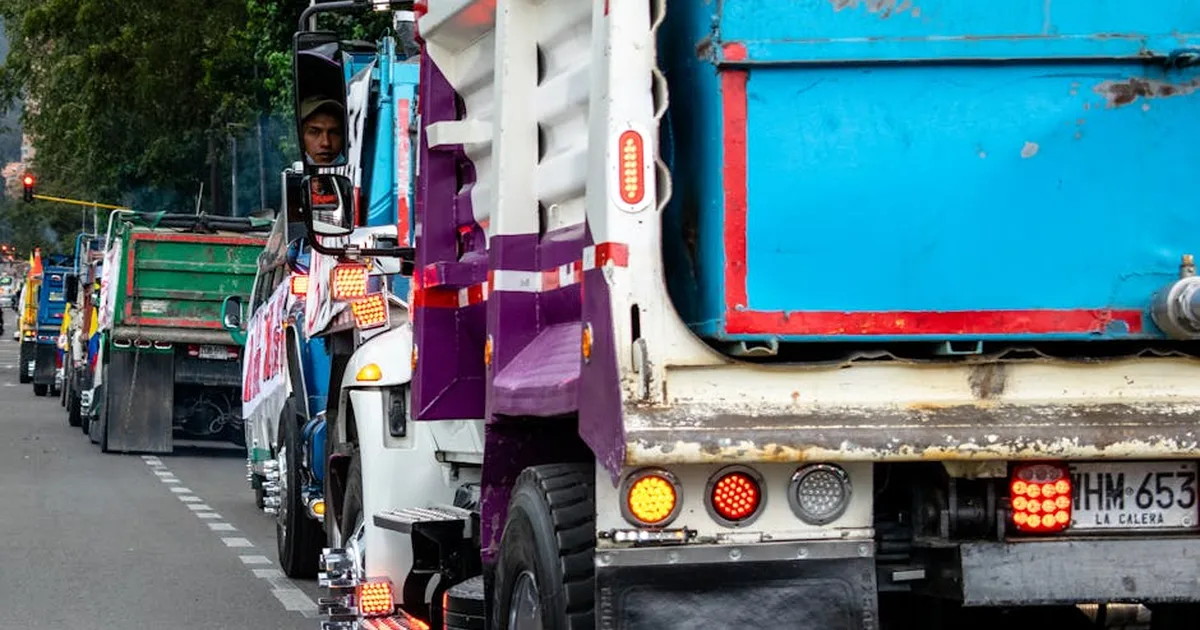
The Bible teaches us in Galatians 6:2: "Carry each other’s burdens, and in this way you will fulfill the law of Christ" (NIV). This verse speaks not only of spiritual struggles but also of the material and economic burdens affecting our brothers and sisters. When one sector of society suffers, the entire community feels the impact, and as followers of Christ, we have a responsibility to respond with compassion and understanding.
The mobilizations planned for strategic locations like the Algarrobo crossing and the intersection of Route 68 with the La Pólvora area are not mere traffic disruptions. They represent the cry of those who feel their voices are not heard, of those who see their daily efforts compromised by factors beyond their control. As Christians, we can see in this situation an opportunity to practice the empathy Jesus taught us.
Economic Justice from a Biblical Perspective
The sustained increase in diesel, gasoline, and other fuel prices leads us to reflect on economic justice from our faith. Scripture has much to say about fair treatment of workers and the responsibility to create economic systems that do not oppress the most vulnerable.
"Do not defraud or rob your neighbor. Do not hold back the wages of a hired worker overnight." Leviticus 19:13 (NIV)
This Old Testament commandment echoes in the teachings of Jesus, who consistently identified with the poor, workers, and marginalized. When Valparaíso's truckers express that they cannot pass on increased costs through their rates, we face a situation that should concern us as a community of faith. This isn't about taking political sides but recognizing the dignity of every person who works honestly.
The cumulative impact mentioned by transporters—over $580 since the significant March increase—isn't just a number in a report. It represents family sacrifices, nights of worry, and the feeling that hard work isn't enough. As the church, we are called to be sensitive to these realities, remembering the words of Proverbs 14:31: "Whoever oppresses the poor shows contempt for their Maker, but whoever is kind to the needy honors God" (NIV).
Community Responsibility in Times of Crisis
What's interesting about this situation is that it doesn't only affect truckers. When they suffer, the entire supply chain feels it, and eventually we all pay the consequences. This reminds us that in the body of Christ, when one member suffers, all suffer with them (1 Corinthians 12:26).
The possibility that other unions might join the mobilizations, with coordination extending north and south of the country, shows how economic difficulties have a domino effect. As Christians, we might ask ourselves: How can we be agents of reconciliation and understanding amid these tensions? How does our faith call us to seek solutions that honor both justice and peace?
Finding Hope Amid Uncertainty
Faced with news like the new increases confirmed by the National Petroleum Company—with rises in 93 and 97 octane gasoline, diesel, and vehicular LPG—it's easy to fall into hopelessness. Yet our faith reminds us that God is present even in the most challenging circumstances. The Christian community has historically been a source of hope and practical support during economic hardships, offering both spiritual comfort and tangible assistance to those affected.
As we navigate these uncertain times, let us remember that our faith calls us not to despair but to active compassion. Whether through prayer, practical support, or advocacy for just economic policies, each of us has a role to play in bearing one another's burdens. The Valparaíso truckers' situation invites us to examine how we, as Christians, respond when economic systems create hardship for our neighbors.
May we approach these challenges with the same compassion Jesus showed to those struggling under economic burdens, remembering that our ultimate hope rests not in economic systems but in the God who cares deeply for every worker and family.




Comments