
There's a particular ache that settles in a community when someone who brought people together moves away. It's not just about missing a familiar face at the grocery store or noticing an empty seat at local gatherings. It's the quiet realization that a thread in the social fabric has been pulled, leaving a small but noticeable gap in what made daily life feel whole and connected. In towns and neighborhoods across the world, these departures remind us how deeply we're wired for relationship—not just casual acquaintance, but the kind of meaningful connection that transforms ordinary spaces into places of belonging.
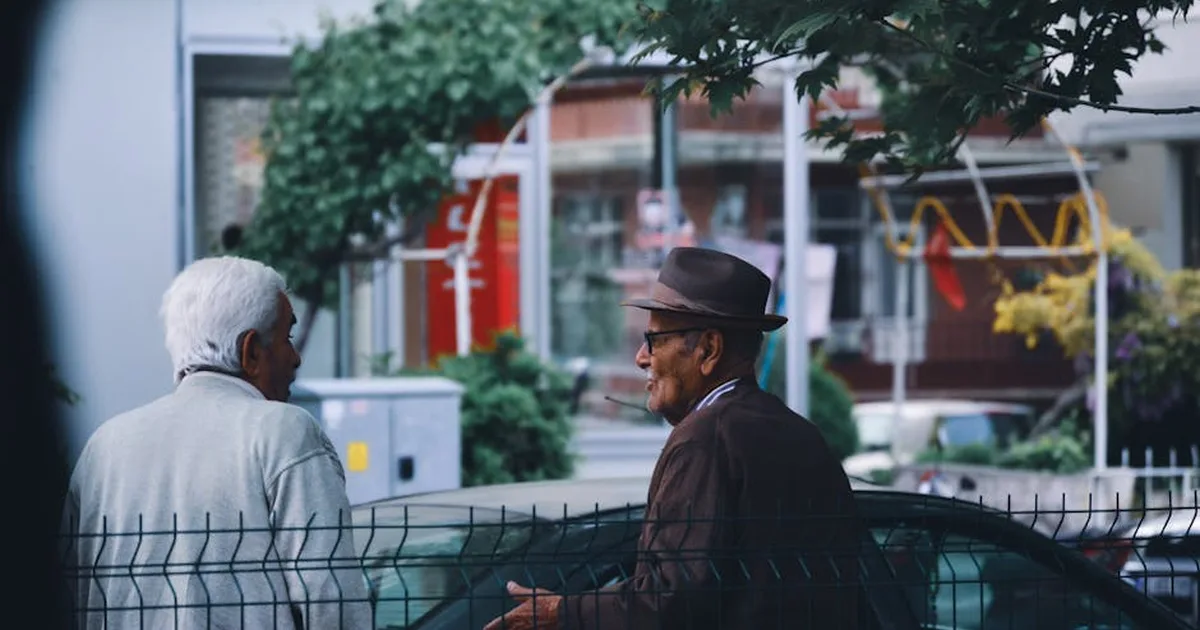
Scripture consistently points us toward the importance of community. From the early church described in Acts to Paul's letters addressing various gatherings of believers, we see that faith was never meant to be lived in isolation.
"And let us consider how we may spur one another on toward love and good deeds, not giving up meeting together, as some are in the habit of doing, but encouraging one another—and all the more as you see the Day approaching." (Hebrews 10:24-25, NIV)This passage reminds us that gathering together isn't just a nice addition to faith—it's essential to our spiritual growth and perseverance.
When someone who naturally fostered connection leaves a community, it creates an opportunity for reflection. What was it about their presence that made others feel seen and valued? Often, it wasn't grand gestures or formal programs, but simple, consistent acts of presence—remembering names, asking thoughtful questions, showing up in both joyful and difficult moments. These ordinary practices of attention create the invisible architecture of community that supports us all.
Sacred Spaces Beyond Church Walls
While Sunday worship services provide structured time for spiritual connection, much of our faith is lived out in what we might call "third spaces"—those informal gathering places where relationships naturally develop. These could be coffee shops, parks, community centers, or even someone's garage transformed into a welcoming spot for neighbors. In these ordinary settings, we often experience the kind of authentic fellowship that complements our more formal religious practices.
Jesus himself frequently engaged people in everyday settings—by wells, in homes, along roadsides, and at dinner tables. His ministry wasn't confined to synagogues or temple courts. He met people where they were, in the midst of their daily lives, and transformed ordinary encounters into moments of grace and revelation. This pattern suggests that God is at work in all the spaces where human connection happens, not just in designated religious buildings.
When we recognize the sacred potential of everyday spaces, we begin to see opportunities for ministry and connection everywhere. The person who regularly checks in on elderly neighbors, the family that hosts backyard gatherings, the individual who remembers birthdays and anniversaries—these are all practicing a form of incarnational presence that reflects God's care for community.
"For where two or three gather in my name, there am I with them." (Matthew 18:20, NIV)This promise isn't limited to formal prayer meetings but extends to any gathering where Christ's love is present.
Building Bridges in Ordinary Places
What makes certain individuals particularly gifted at building community? Often, it's their ability to create what sociologists call "weak ties"—those connections that aren't deeply intimate but provide important social bridges between different groups. These connectors notice when someone is new to town, introduce people with shared interests, and remember small details about others' lives. Their departure leaves not just personal voids but gaps in the social network that connected diverse parts of the community.
In the Christian tradition, we might think of these individuals as practicing a form of hospitality that extends beyond their own homes. They create welcoming spaces—whether physical or relational—where people can encounter one another authentically. This ministry of presence doesn't require special training or resources, just attentiveness to the people around us and willingness to extend simple kindnesses.
When Goodbyes Create New Beginnings
The departure of community connectors, while painful, often reveals something important about how God works through change. First, it shows us how much we've come to depend on particular individuals, reminding us that our ultimate dependence should be on God, who remains constant even when people come and go. Second, it creates space for new leaders and connectors to emerge, sometimes in surprising ways.
In the early church, we see how the scattering of believers after persecution actually spread the gospel to new regions (Acts 8:1-4). What seemed like a devastating loss became an opportunity for growth beyond what anyone had imagined. Similarly, when key community members move on, it can prompt others to step forward in new ways, discovering gifts they didn't know they had or forming connections that might not have developed otherwise.
This doesn't minimize the genuine loss felt when someone leaves, but it does remind us that God can bring good from difficult transitions. The challenge becomes how to honor what was meaningful about the departed person's contributions while also looking forward to what new forms of community might emerge.
"He has made everything beautiful in its time. He has also set eternity in the human heart; yet no one can fathom what God has done from beginning to end." (Ecclesiastes 3:11, NIV)This verse encourages us to trust that even in seasons of change and loss, God is working toward beauty and purpose.
Grieving Well and Moving Forward
Healthy communities learn to grieve well when members leave. This might involve sharing stories about what the person meant to others, expressing gratitude for their contributions, and acknowledging the real sense of loss. At the same time, communities that thrive through transitions also cultivate practices that distribute the work of connection across many people rather than relying too heavily on a few individuals.
Practical steps might include intentionally welcoming new residents, creating simple systems for checking in on neighbors during difficult times, or establishing regular community gatherings that don't depend on any single organizer. These practices build resilience into the social fabric, making communities less vulnerable to disruption when key people move away.
Cultivating Your Own Connector Gifts
Most of us have experienced both sides of this dynamic—missing someone who connected people well, and perhaps wondering if we ourselves have something to contribute. The good news is that community-building isn't a special gift reserved for a few extroverted individuals. It's a practice that anyone can develop with intention and attention.
Start small. Learn the names of people you regularly encounter—the barista at your coffee shop, the neighbor you see walking their dog, the parent who picks up their child at the same time you do. Ask thoughtful questions and really listen to the answers. Notice when someone seems isolated or going through a difficult time, and offer simple gestures of care. These small acts of presence accumulate over time to create networks of mutual support and belonging.
Remember that community-building isn't about being the center of attention or hosting elaborate events. It's about creating spaces—both literal and figurative—where people feel seen, valued, and connected.
"Therefore encourage one another and build each other up, just as in fact you are doing." (1 Thessalonians 5:11, NIV)This encouragement to mutual edification suggests that building up community is everyone's responsibility, not just the work of naturally gifted connectors.
Reflection: Where Is God Calling You to Connect?
As we consider the importance of community connectors in our lives and neighborhoods, we might ask ourselves some reflective questions: Who are the people in your life who have particularly gifted at bringing others together? What specific practices made their presence so meaningful? How might you honor their legacy while also cultivating your own capacity for connection?
Perhaps more importantly, where might God be calling you to be a connector right now? It might be in your neighborhood, workplace, church, or even within your own family. The needs are everywhere—people longing for authentic connection, for someone to notice their absence, for spaces where they can be known and valued beyond their utility or productivity.
Take a moment to consider one practical step you could take this week to foster connection in your community. It doesn't need to be grand or complicated. It might be as simple as inviting a neighbor for coffee, starting a conversation with someone who usually sits alone, or organizing a casual gathering around a shared interest. These small seeds of connection, planted consistently over time, can grow into networks of support that reflect God's love for community and relationship.
In a world that often feels fragmented and isolated, the ministry of connection is more vital than ever. Each of us has the capacity to notice gaps in our communities and take small steps to bridge them. As we do so, we participate in God's ongoing work of drawing people together, creating spaces of belonging that reflect the unity we're called to in Christ. The departure of community connectors reminds us of what matters—and invites us to consider how we might carry that work forward in our own contexts and relationships.



Comments