
Churchyards have long been seen as places of peace, reflection, and reverence. They are not just burial grounds but spiritual landmarks where families remember loved ones and find solace in God's presence. However, in many communities, these spaces face challenges from neglect or misuse, prompting difficult questions about how to balance their sacred purpose with practical realities.
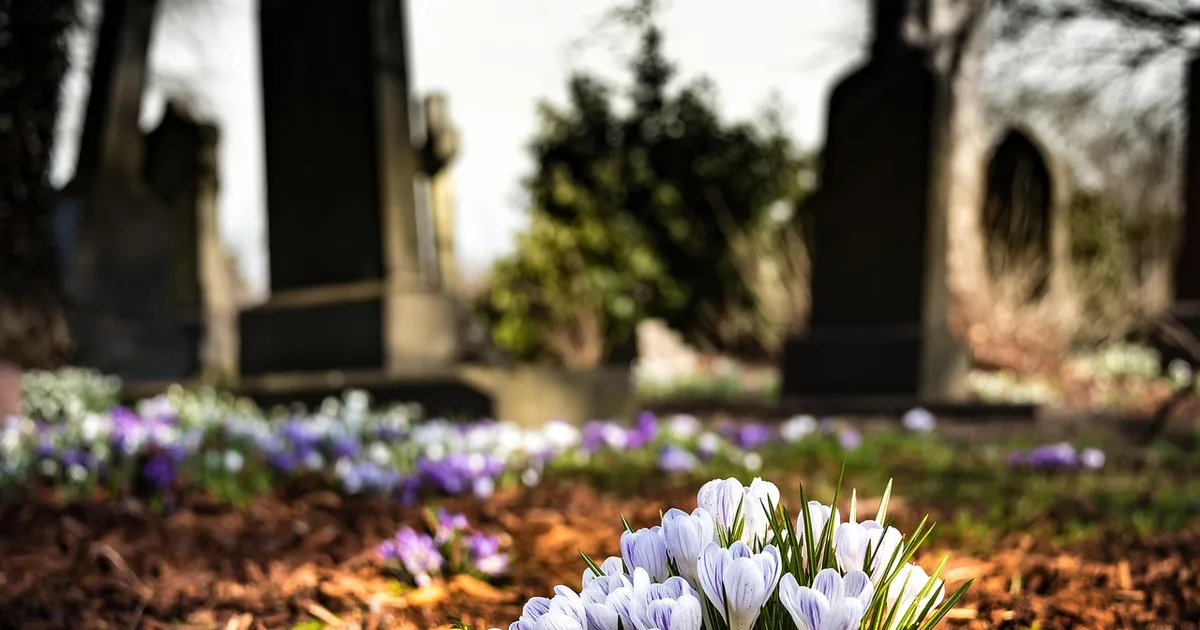
In a recent case in the United Kingdom, a churchyard had become a gathering spot for youths engaging in antisocial behavior and drug abuse. The local church sought permission to exhume remains to address the situation, but the Chancellor ruled that such unpleasantness was insufficient to justify disturbing the dead. This decision underscores a deep Christian conviction: the permanence of Christian burial reflects the hope of resurrection and the inherent dignity of every person, even in death.
The Bible reminds us of the sacredness of burial. In Romans 14:8, Paul writes, “If we live, we live for the Lord; and if we die, we die for the Lord. So, whether we live or die, we belong to the Lord.” This verse calls us to treat the departed with honor, recognizing that they remain part of God’s family.
Challenges Facing Churchyards Today
Churchyards are often among the few green spaces in urban areas, making them attractive for community use. However, without proper maintenance, they can become magnets for unwanted activities. In the case mentioned, the churchyard’s poor condition and the behavior of some visitors created a dilemma: how to maintain a sacred space while addressing real community needs.
Many churches struggle with limited resources to care for their grounds. Volunteers may be few, and budgets are tight. Yet, the church is called to be a light in the community, not a fortress. Jesus himself often withdrew to lonely places for prayer (Luke 5:16), but he also ministered to people in their everyday environments. This tension between sacred space and public accessibility is not new.
The Chancellor’s ruling reminds us that even when a churchyard is misused, the solution is not to disturb the dead but to find other ways to restore peace and safety. This might involve better fencing, lighting, or community engagement. The goal is to honor both the living and the dead, reflecting the Christian hope that all things are made new in Christ (Revelation 21:5).
Biblical Perspectives on Burial and the Dead
The Bible consistently emphasizes the importance of proper burial. In Genesis 23, Abraham purchases a field to bury Sarah, ensuring a permanent resting place. The patriarchs and early Christians viewed burial as a testament to the resurrection. Paul’s teaching in 1 Corinthians 15:42-44 describes the body sown in dishonor but raised in glory, affirming that how we treat the dead matters.
In the Old Testament, the act of burial was a sacred duty, often performed even for enemies (2 Kings 9:34-35). The New Testament records Joseph of Arimathea’s respectful burial of Jesus (Matthew 27:57-60). These examples show that burial is not merely a practical matter but a spiritual one, rooted in the hope of eternal life.
Therefore, while churchyards may face challenges, the presumption of permanence in Christian burial is a theological statement. It declares that death does not have the final word, and that the faithful departed are safe in God’s hands. Disturbing graves should only be considered in extreme circumstances, such as public health risks or legal requirements, not simply because of social nuisances.
Practical Steps for Churches Facing Similar Issues
If your churchyard is experiencing antisocial behavior or neglect, there are constructive steps to take that honor both the sacredness of the space and the needs of the community:
- Engage the community: Invite neighbors, especially young people, to participate in caring for the churchyard. This can transform a place of conflict into a shared project.
- Improve visibility and safety: Install appropriate lighting, maintain pathways, and consider security measures that do not detract from the beauty of the grounds.
- Create designated areas: If possible, set aside a portion of the churchyard for quiet reflection and another for community activities, clearly marking boundaries.
- Partner with local authorities: Work with police or community groups to address drug abuse and antisocial behavior through positive youth programs rather than punitive measures.
- Pray and seek wisdom: As James 1:5 says, “If any of you lacks wisdom, you should ask God, who gives generously to all without finding fault, and it will be given to you.”
Reflection: A Call to Honor the Dead While Loving the Living
The ruling in this case invites us to reflect on how we view church grounds. Are they merely places to be protected from the world, or can they be sanctuaries that welcome the world while preserving their sacred character? Jesus taught us to love our neighbors (Mark 12:31), and that includes those who may not always behave respectfully. At the same time, we are called to honor the dead, for they too are part of the body of Christ.
Perhaps the most challenging aspect of this situation is the balance it requires. Churches cannot simply ignore problems, but they also cannot abandon the theological significance of burial. The solution lies in creative, community-oriented approaches that uphold the dignity of all people—both those who rest in the churchyard and those who live nearby.
As you consider your own church’s grounds, ask yourself: How can we make this space a true reflection of God’s love—a place where the living find peace and the dead are honored? May we be guided by the words of Psalm 90:17: “Let the favor of the Lord our God be upon us, and establish the work of our hands upon us; yes, establish the work of our hands!”





Comments