
Have you ever felt like your faith has gone into hibernation? You still go through the motions—Sunday services, small group, maybe even a daily devotional—but inside, it feels like everything has slowed to a crawl. The spiritual energy that once carried you through tough times seems to have evaporated. You're not alone. Many Christians experience seasons where church life feels stagnant, prayer seems dry, and the Bible reads like an old textbook.
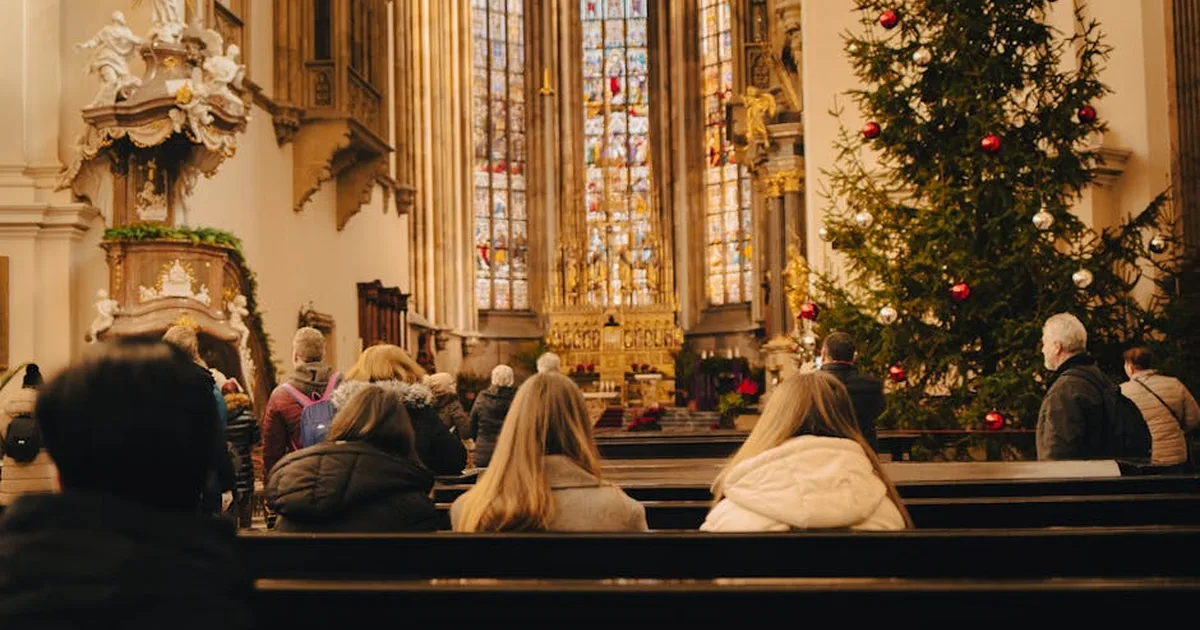
This experience isn't a sign of weak faith. In fact, it might be exactly what your soul needs. Just as nature has its seasons of dormancy, our spiritual lives often need periods of rest and quiet growth. The challenge is learning to recognize these seasons for what they are—not punishment or abandonment, but a necessary part of the journey.
“For everything there is a season, and a time for every matter under heaven” (Ecclesiastes 3:1, ESV)
The writer of Ecclesiastes understood that life moves in rhythms. There are times of planting and times of harvest, times of weeping and times of laughing. Our spiritual lives are no different. When we resist the quiet seasons, we miss out on the deep work God wants to do beneath the surface.
Understanding Spiritual Brumation
The term “brumation” is used by biologists to describe a state of dormancy in reptiles during cold months. Unlike hibernation, brumation isn't a deep sleep—the animal may wake up on warmer days to drink water or move around. It's a slowed-down state that preserves energy until conditions improve.
In our faith lives, brumation looks similar. You might still attend church and pray, but your enthusiasm has dimmed. You might feel disconnected from worship or unsure about your purpose in the congregation. The key is to understand that this isn't a crisis—it's a cycle. Just as a tree loses its leaves in autumn only to sprout new ones in spring, our faith can lose its outward vibrancy while roots grow deeper.
Signs You Might Be in a Brumation Season
- Prayer feels repetitive or mechanical
- You find it hard to concentrate during sermons
- Giving and serving feel like chores rather than joys
- You question long-held beliefs without finding easy answers
- You prefer solitude over fellowship
If these resonate, take heart. Many faithful Christians have walked this path and emerged with a stronger, more authentic faith. The apostle Paul himself wrote about pressing on despite feeling weak (2 Corinthians 12:9-10).
Finding Bohemia in the Ordinary
Bohemia historically refers to a region in Central Europe, but the term has come to describe a free-spirited, unconventional lifestyle. In the context of church life, bohemia might represent the unexpected—the moments when God breaks through our routines with fresh creativity and joy.
When we're in a spiritual slump, we often think we need a dramatic intervention: a revival service, a retreat, a miracle. But God often works through the ordinary. The Bohemian spirit in faith is about embracing the unconventional ways God shows up—in a kind word from a stranger, in the beauty of a sunset, in the laughter of children during coffee hour.
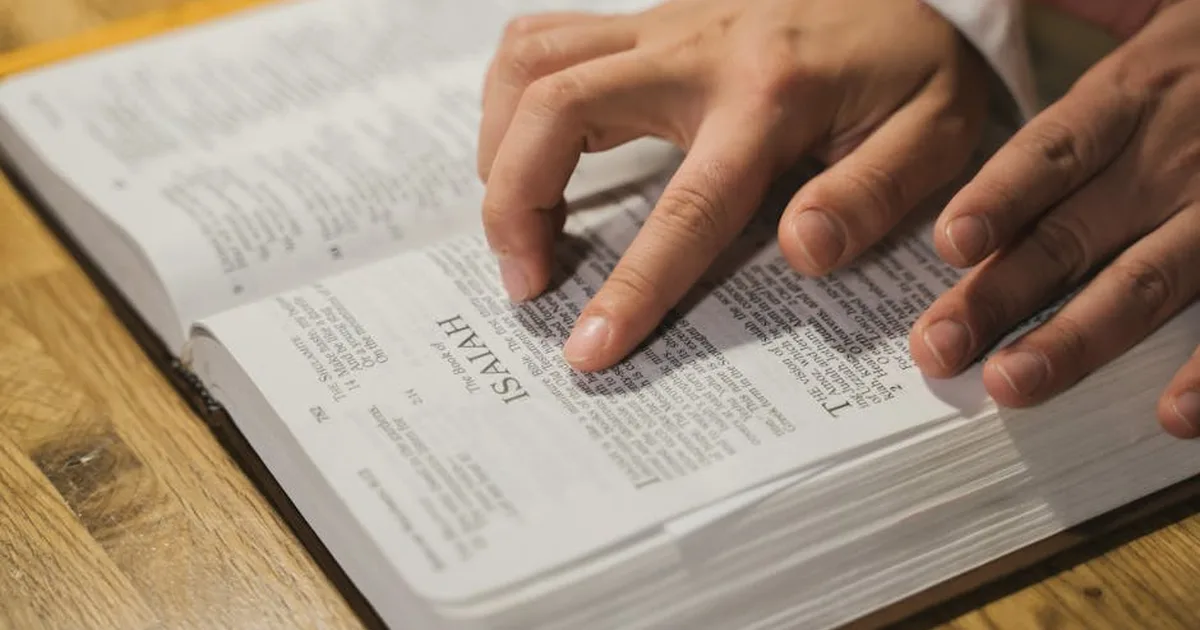
“Behold, I am doing a new thing; now it springs forth, do you not perceive it? I will make a way in the wilderness and rivers in the desert.” (Isaiah 43:19, ESV)
This verse reminds us that God is always at work, even when we can't see it. The challenge is to stay open to the new thing He's doing, even if it doesn't fit our expectations of how church should look.
Practical Steps to Embrace the Quiet
Instead of fighting the season, consider leaning into it. Here are some ways to navigate spiritual brumation with grace:
- Simplify your spiritual practices. If daily devotions feel overwhelming, try once a week with a trusted friend. Quality over quantity.
- Change your environment. Visit a different church service or try a prayer walk outdoors. New settings can spark fresh perspectives.
- Focus on gratitude. Each day, write down one thing you appreciate about your church community, no matter how small.
- Ask honest questions. Bring your doubts to God in prayer. He can handle your questions.
- Serve without expectation. Volunteer for a task that doesn't require emotional energy, like organizing the food pantry or greeting newcomers.
What the Bible Says About Seasons of Waiting
Scripture is filled with stories of people who experienced long periods of waiting and seeming inactivity. Abraham waited decades for a son. Joseph spent years in prison. The Israelites wandered in the desert for forty years. Jesus himself spent forty days in the wilderness before beginning his ministry.
These waiting seasons were not wasted. They were times of formation. God used them to shape character, deepen trust, and prepare for what was ahead. In the same way, your current season of church life—even if it feels slow or boring—is preparing you for something.
“But they who wait for the Lord shall renew their strength; they shall mount up with wings like eagles; they shall run and not be weary; they shall walk and not faint.” (Isaiah 40:31, ESV)
Waiting on the Lord isn't passive resignation. It's active trust. It's choosing to believe that God is at work even when we can't see the results.
Reflection: A Question for Your Journey
As you consider your own experience with spiritual seasons, ask yourself: What might God be growing in me during this quiet time that could only flourish in stillness? Perhaps it's patience, compassion, or a deeper reliance on Him. Maybe it's a new vision for how you can serve your church in a way you never considered before.
Remember that the church is not a building or a program—it's the body of Christ, made up of people like you who are in various seasons of growth. Your brumation might be the very thing that allows you to bloom more fully when the season changes.
Take a moment today to thank God for the season you're in, even if it feels uncomfortable. Trust that He who began a good work in you will carry it on to completion (Philippians 1:6).



Comments