
In an age where institutions often seem isolated from one another, a heartwarming story emerges from the heart of a major city. A historic Catholic parish has opened its doors—and its heart—to the Major League Baseball team playing just a few blocks away. This isn't just about sharing parking spaces or hosting pre-game events; it's about building a genuine community where faith and sport intersect in meaningful ways.
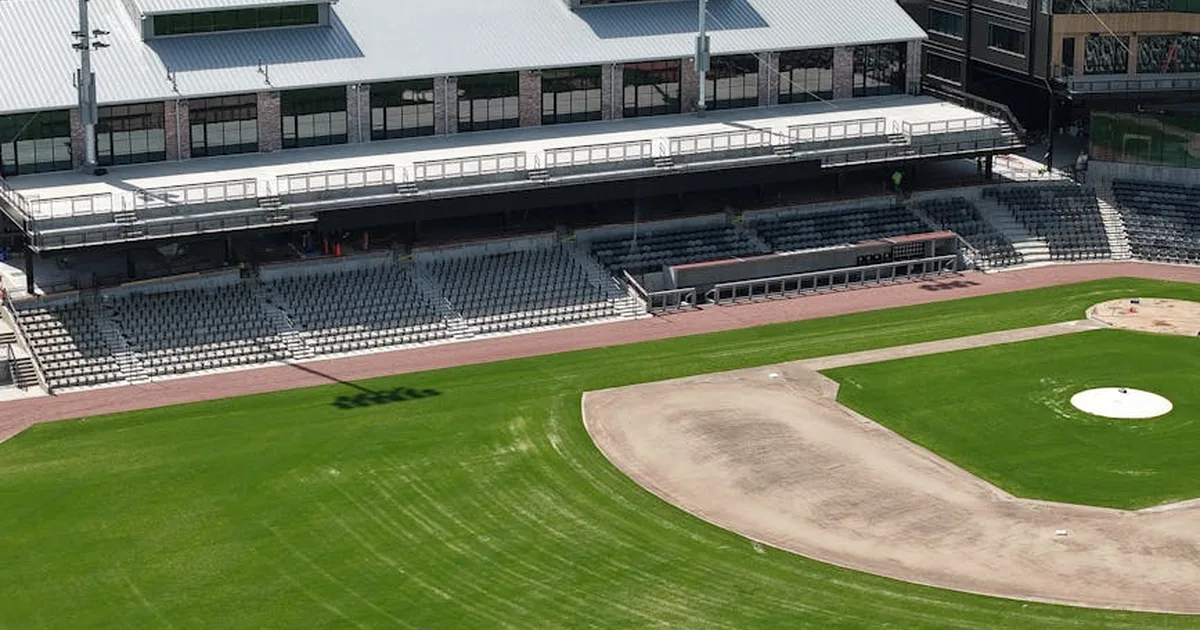
The parish, with its century-old architecture and deep roots in the neighborhood, recognized an opportunity to extend hospitality to the thousands of fans who pour into the area on game days. Instead of viewing the stadium as a competitor for attention, church leaders saw it as a mission field. After all, Jesus himself welcomed the crowds, and the early church met in homes and public spaces. This modern-day partnership reflects a similar spirit of openness.
For the baseball team, the relationship offers more than logistical support. Players and staff have found a place where they can be known not just as athletes, but as people. The church provides a quiet sanctuary for reflection, a space for team chaplaincy, and a community that prays for them—not for wins, but for their well-being and character.
Biblical Foundations for Welcoming the Stranger
The Bible consistently calls God's people to hospitality. In the Old Testament, God instructs Israel: “You shall treat the stranger who sojourns with you as the native among you, and you shall love him as yourself, for you were strangers in the land of Egypt” (Leviticus 19:34, ESV). This command isn't just about being nice; it's about remembering our own story of being welcomed by God.
In the New Testament, Jesus models radical hospitality. He eats with tax collectors and sinners, touches lepers, and welcomes children. The writer of Hebrews reminds us: “Do not neglect to show hospitality to strangers, for thereby some have entertained angels unawares” (Hebrews 13:2, ESV). This parish's outreach to the baseball team is a living example of that principle. They are welcoming strangers—fans from all over the region, players from diverse backgrounds—and in doing so, they are creating a space where God's love can be experienced.
The apostle Paul also emphasizes the unity we have in Christ. In Galatians, he writes, “There is neither Jew nor Greek, there is neither slave nor free, there is no male and female, for you are all one in Christ Jesus” (Galatians 3:28, ESV). A baseball stadium is one of the few places where people of every race, class, and background gather together. The church's presence there is a reminder that in God's family, that unity is even deeper.
Practical Ways Churches Can Engage Their Communities
This story offers a blueprint for other congregations looking to build bridges. Here are a few practical steps inspired by this parish's example:
- Identify natural gathering points: Look for local events, businesses, or institutions that draw crowds. A stadium, a farmers market, a school—these are places where your church can be a blessing.
- Start with service, not sales: The parish didn't set up a booth to recruit members. They offered water, restrooms, and a place to rest. Meet practical needs first; trust that relationships will follow.
- Build relationships with leaders: Reach out to the team's chaplain, community relations staff, or even the manager. A simple conversation can open doors.
- Create a welcoming environment: Train volunteers to be warm and non-judgmental. The goal is to make everyone feel like they belong, regardless of their faith background.
- Pray intentionally: Develop a prayer team that regularly intercedes for the team, the fans, and the neighborhood. Prayer is not just preparation; it is the work.
One of the most beautiful aspects of this partnership is that it's reciprocal. The baseball team has also contributed to the church's life—donating to outreach programs, volunteering at food drives, and even attending services. This mutual blessing reflects the early church's model of sharing resources and caring for one another (Acts 2:44-45).
Faith in the Public Square
Some might worry that a church partnering with a sports team could compromise its message. But this parish shows that engaging with culture doesn't mean diluting the gospel. Instead, it's an opportunity to live it out. Jesus didn't retreat from the world; he entered it fully, attending festivals, engaging with leaders, and showing compassion to the broken.
The apostle Paul used his Roman citizenship and cultural knowledge to spread the gospel. In Athens, he quoted their own poets to make a point (Acts 17:28). In the same way, this parish is using the common language of baseball—a sport that unites people across divides—to demonstrate God's love. They are not watering down their faith; they are translating it into a dialect that their neighbors understand.
Of course, not every church will have a major league team next door. But the principle applies everywhere. Whether it's a local little league, a high school football game, or a community soccer tournament, there are opportunities to be a presence of grace. The key is to go where people are, listen to their stories, and serve them with humility.
“Let your light shine before others, so that they may see your good works and give glory to your Father who is in heaven.” (Matthew 5:16, ESV)
Reflection: What's Your Church's Next Step?
As you read this story, consider your own congregation. What are the “stadiums” in your community? Where do people gather? How might your church be a welcoming presence there? It doesn't have to be a grand gesture. Sometimes a simple act of hospitality—a cold cup of water on a hot day, a friendly smile, a prayer offered—can open the door to something beautiful.
This parish's journey reminds us that the church is not a building; it's a people on mission. And when we step outside our walls, we find that God is already at work. The baseball team's chaplain put it this way: “We're not trying to make fans into Christians. We're trying to love people the way Christ loves us.” That's a home run in any league.



Comments