
In this season of change and renewal, Pope Leo XIV is showing us a different way to walk together as the Church. Since his election in May 2025, he has begun implementing a leadership approach that prioritizes dialogue, listening, and the participation of all members of the faith community. These aren't merely formal meetings, but spaces where the Church reflects together on its mission in today's world.
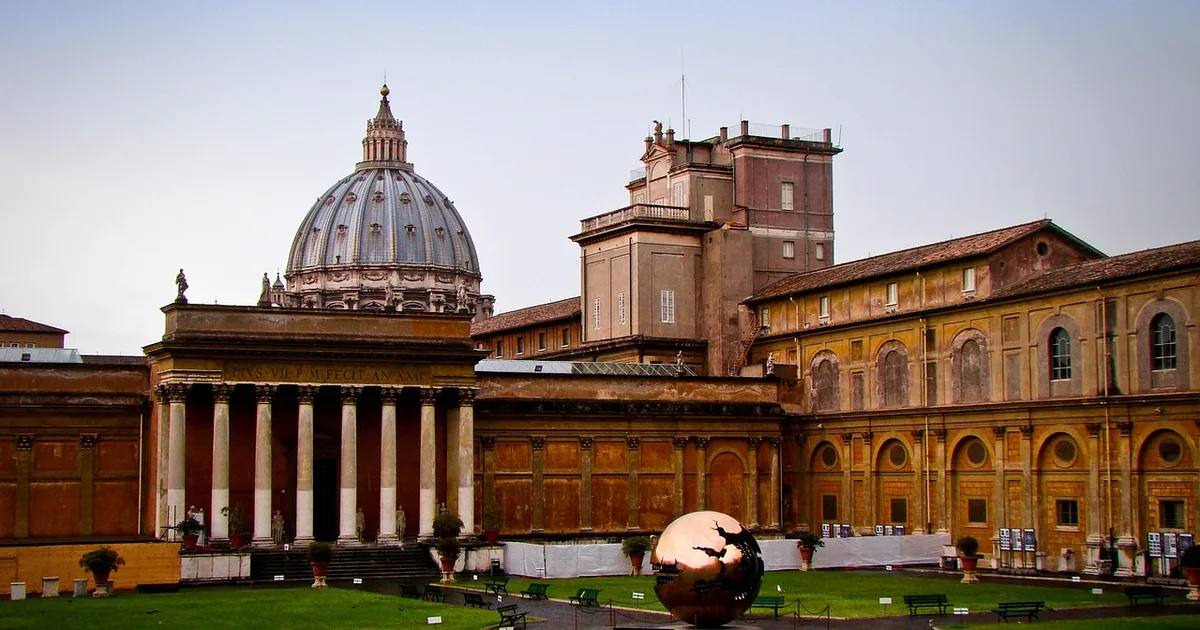
The extraordinary consistory called for June 2026 represents much more than a calendar event. It's the concrete expression of a Church that wants to collectively discern God's will for our time. As the book of Acts reminds us, the first Christian community gathered to make important decisions:
"Then the apostles and elders met to consider this question" (Acts 15:6, NIV).This apostolic practice finds new forms of expression today.
The Consistory as a Space for Discernment
What makes this consistory called by Leo XIV special is its consultative and open nature. All cardinals are invited to participate, regardless of their age or particular canonical situation. This openness reflects a deep understanding of the Church as the body of Christ, where every member has something valuable to contribute from their experience and cultural context.
The letter the Pope sent to the cardinals in mid-April 2026 clearly establishes the tone for this gathering. This isn't a space for issuing decrees, but for discerning together. This approach reminds us of Paul's words to the Philippians:
"Each of you should look not only to your own interests, but also to the interests of others" (Philippians 2:4, NIV).Church leadership thus becomes a service of communion.
The Experience of the Previous Consistory
This will be the second extraordinary consistory of Leo XIV's pontificate. The first, held in January 2026, already showed the potential of these dialogue spaces. Cardinals met in groups organized by language to reflect on the priorities that emerged during the conclave. Although there were moments of natural tension in any discernment process, the desire for collaboration and common search prevailed.
The Pope's response to these experiences hasn't been to simplify the processes, but to deepen them. He proposes that these meetings become annual multi-day events, thus establishing a regular rhythm of collective reflection. This continuity allows discernment to become not something occasional, but an ecclesial habit.
Dual Focus: Mission and Structural Renewal
At the heart of the June 2026 consistory discussions are two fundamental dimensions that are intimately related: missionary renewal and the structural reform of the Church. Leo XIV has placed special emphasis on returning to his predecessor's document Evangelii Gaudium, presenting it not as a text from the past, but as a living program that needs to be implemented more deeply.
The central question guiding the reflections is profoundly practical: What has really changed in our communal pastoral life since we received this call to the joy of the Gospel? What aspects remain more aspiration than reality? This honest assessment is essential for any authentic renewal process.
The Pope proposes a change that touches both the personal and the communal. On a personal level, he invites us to move from an inherited faith to a faith lived with awareness and commitment. On a communal level, he suggests moving beyond pastoral models focused mainly on "maintaining" structures to advance toward a more missionary Church and



Comments