
In times of change and challenge, the exchange between different members of the Church takes on special significance. Dialogue between laity and spiritual leaders is at the heart of current developments shaping parish life. These conversations are not merely organizational in nature but reflect the pursuit of a vibrant and sustainable faith community. In the spirit of unity and mutual respect, pathways are sought to authentically live and witness faith in today's world.
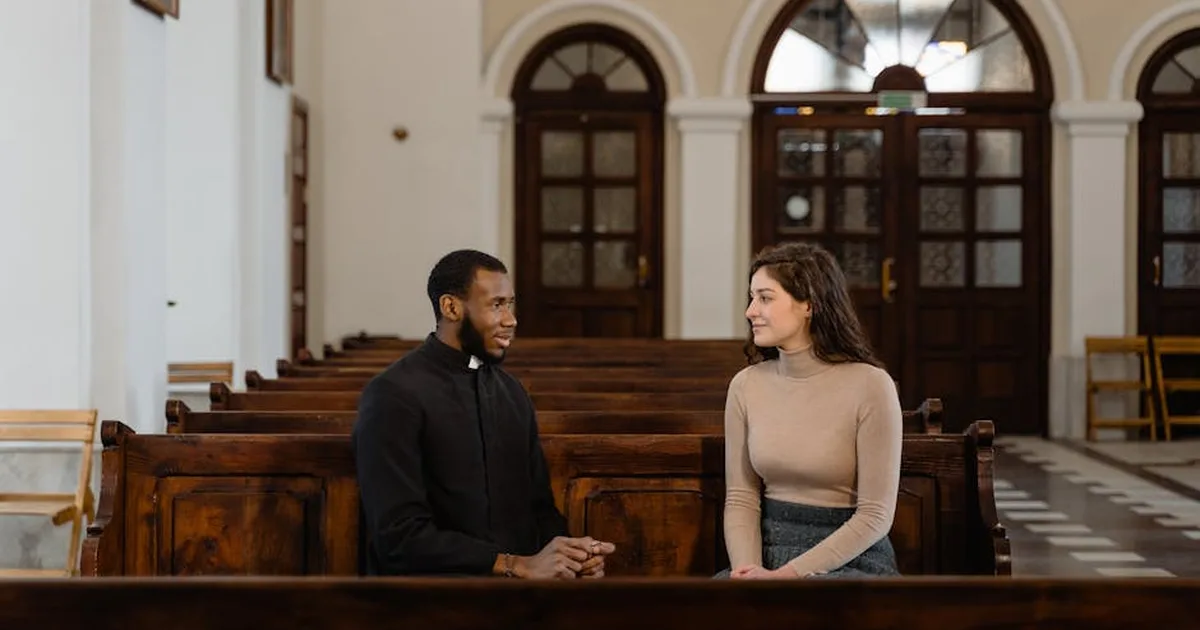
The Bible encourages us toward unity in faith, as stated in Ephesians:
"Make every effort to keep the unity of the Spirit through the bond of peace." (Ephesians 4:3, NIV)This unity is not a rigid construct but a living process requiring openness and trust. In a pluralistic society, the capacity for constructive conversation within the Church gains particular relevance. This is not about blurring differences but finding common ground in faith in Jesus Christ.
The Value of Dialogue in the Faith Community
Dialogical processes in the Church have a long tradition dating back to early Christian communities. Already in the New Testament, we read about consultations and joint decision-making, such as at the Council of Jerusalem. This historical dimension underscores that conversation among different members of the community belongs to the essence of the Church. In our time, this exchange gains new relevance in light of societal changes and pastoral challenges.
Constructive dialogue requires that all participants treat each other with respect and appreciation. This corresponds to the biblical exhortation:
"Be completely humble and gentle; be patient, bearing with one another in love. Make every effort to keep the unity of the Spirit through the bond of peace." (Ephesians 4:2-3, NIV)Such conversations can take different forms—from informal encounters to structured conferences. What's crucial is the shared orientation toward the well-being of the community and the proclamation of the Gospel. Both spiritual leaders and engaged laity play important roles, for the Church lives from the diversity of its gifts and callings.
Practical Dimensions of Church Exchange
Concrete dialogue processes encompass various levels and thematic areas. These include:
- Pastoral challenges in a changing society
- Questions of faith transmission to different generations
- Ethical guidance in complex life situations
- Community building and missionary impulses
- Ecumenical cooperation and social engagement
These topics require careful balancing between tradition and necessary renewal. The Holy Spirit works in such processes as comforter and guide, as Jesus promised his disciples:
"But when he, the Spirit of truth, comes, he will guide you into all the truth." (John 16:13, NIV)This promise gives confidence that the Church, even in difficult discussions, will be shown the right path.
Future Perspectives for Church Life
The current dialogues in the Church are not ends in themselves but aim at a vibrant and sustainable faith practice. In a time of transition—following the passing of Pope Francis and the election of Pope León XIV—such conversations take on special significance. They help bring continuity and renewal into a healthy balance. The Church faces the task of making its message understandable and relevant in a rapidly changing world while maintaining faithfulness to the Gospel. Open and respectful dialogue is a key tool in this process, enabling the Christian community to grow together in faith and be an effective witness to Christ's love in the world.



Comments