
In a world often marked by division and conflict, the call for reconciliation has never been more urgent. Christians around the globe are heeding this call, working to bridge divides and foster peace in communities torn apart by violence, injustice, and historical grievances. From the hills of Colombia to the plains of Sudan, churches are stepping into the breach, embodying the gospel message of restoration.
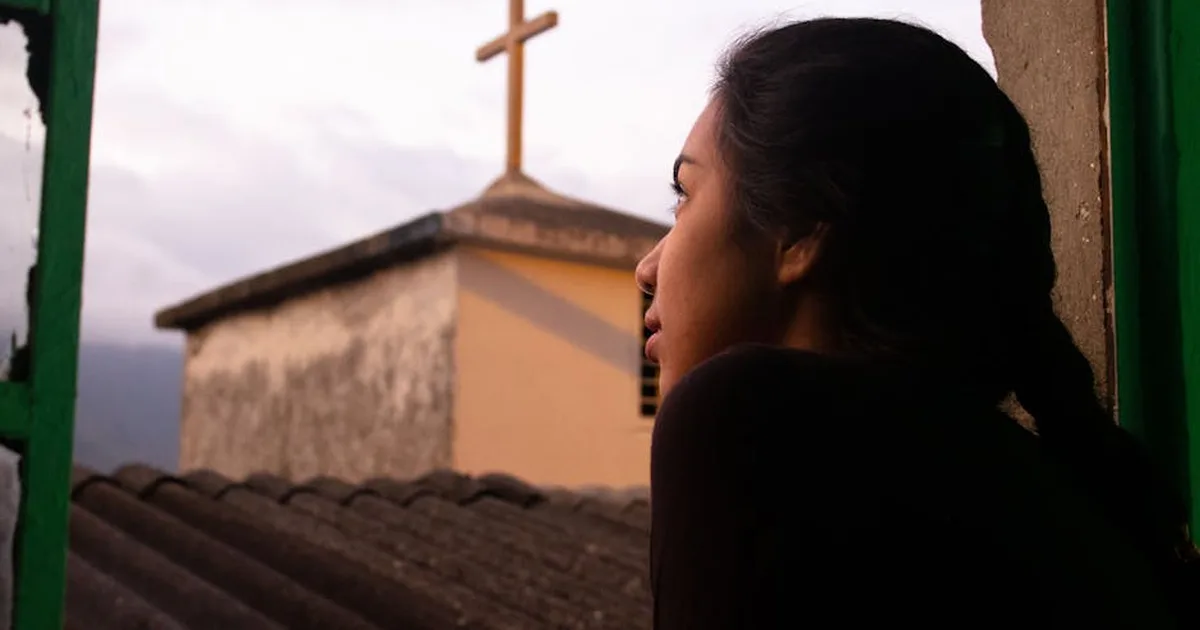
The work is not easy. Reconciliation requires humility, a willingness to listen, and a commitment to justice. Yet, as Scripture reminds us, “Blessed are the peacemakers, for they shall be called sons of God” (Matthew 5:9, ESV). This beatitude is not a passive wish but an active mandate for the body of Christ.
Reconciliation in Action: Case Studies from Around the World
Colombia: Healing After Decades of Conflict
In Colombia, a peace agreement signed in 2016 ended a five-decade-long armed conflict, but the wounds remain deep. Churches have been instrumental in facilitating truth-telling and forgiveness between former combatants and victims. Through community dialogues and trauma healing programs, local congregations are creating safe spaces where people can share their stories and begin to rebuild trust.
The Bible speaks to this process: “Therefore, if anyone is in Christ, he is a new creation. The old has passed away; behold, the new has come. All this is from God, who through Christ reconciled us to himself and gave us the ministry of reconciliation” (2 Corinthians 5:17-18, ESV). Colombian Christians are living out this ministry, showing that reconciliation is not just a theological concept but a practical reality.
Sudan: Building Peace Amidst Fragility
Sudan has experienced cycles of civil war and political instability, with deep ethnic and religious divides. The church, often a minority voice, has played a prophetic role in advocating for peace and justice. Ecumenical networks have brought together Christian and Muslim leaders to promote interfaith dialogue and address root causes of conflict, such as economic inequality and land disputes.
One initiative, the Sudan Council of Churches, has trained peace committees in conflict-prone areas, equipping local leaders with mediation skills. These efforts echo the wisdom of Proverbs: “A gentle answer turns away wrath, but a harsh word stirs up anger” (Proverbs 15:1, NIV). By fostering dialogue, churches are helping to de-escalate tensions and create a culture of peace.
Ukraine: Standing with the Suffering
The war in Ukraine has caused immense suffering, displacing millions and destroying communities. Churches across denominations have responded with humanitarian aid, shelter, and spiritual support. Beyond meeting immediate needs, they are also planting seeds for future reconciliation. Even as the conflict continues, Christians are praying for their enemies and working to maintain relationships with Russian believers who also suffer under authoritarian regimes.
As Paul writes, “Do not be overcome by evil, but overcome evil with good” (Romans 12:21, NIV). This radical call to love one’s enemies is being lived out in practical ways, from providing aid to all regardless of nationality to advocating for a just peace.
The Role of the Church in Peacebuilding
The church is uniquely positioned to be an agent of reconciliation because it is a global family united by Christ. Across borders and cultures, Christians share a common identity that transcends political divisions. This unity is a powerful witness in a fragmented world.
However, peacebuilding requires more than good intentions. It demands theological grounding, cultural sensitivity, and long-term commitment. Churches must avoid the trap of shallow peace that ignores injustice. True reconciliation involves naming wrongs, seeking repentance, and working for structural change.
The Old Testament prophet Micah encapsulates this: “He has told you, O man, what is good; and what does the Lord require of you but to do justice, and to love kindness, and to walk humbly with your God?” (Micah 6:8, ESV). Justice, kindness, and humility are the foundations of lasting peace.
Practical Steps for Your Church
Reconciliation is not only for conflict zones; it is needed in our own communities. Here are some ways your church can embrace the ministry of reconciliation:
- Create spaces for difficult conversations: Host forums where people can discuss sensitive topics like race, politics, or historical grievances in a respectful environment.
- Partner with other churches: Ecumenical cooperation models unity and demonstrates that Christ is above denominational labels.
- Support global peace initiatives: Pray for and financially support organizations working in conflict areas.
- Practice forgiveness: Encourage members to seek and offer forgiveness in personal relationships, modeling the gospel.
Remember, reconciliation begins with each of us. As Jesus taught, “So if you are offering your gift at the altar and there remember that your brother has something against you, leave your gift there before the altar and go. First be reconciled to your brother, and then come and offer your gift” (Matthew 5:23-24, ESV).
Reflection and Call to Action
As you read about these global efforts, consider: Where is God calling you to be a peacemaker? It might be in your family, your workplace, or your neighborhood. Reconciliation is not a one-time event but a daily posture of the heart.
Take a moment to pray for peace in a specific conflict you are aware of. Ask God to give you the courage to reach out to someone you have been estranged from. The world is watching, and the church has the message of hope it desperately needs.



Comments