
Thousands of Venezuelans who left their country in recent years continue to live abroad, even amid recent political changes in their homeland. The hope of returning someday remains, but concrete conditions—security, economy, and social stability—are still not enough for many to consider return a viable short-term option. This reality, documented by organizations like the United Nations High Commissioner for Refugees (UNHCR), invites us to reflect on the suffering and resilience of brothers and sisters who, like the people of Israel in the Babylonian exile, carry the memory of their land in their hearts but must rebuild their lives in foreign lands.
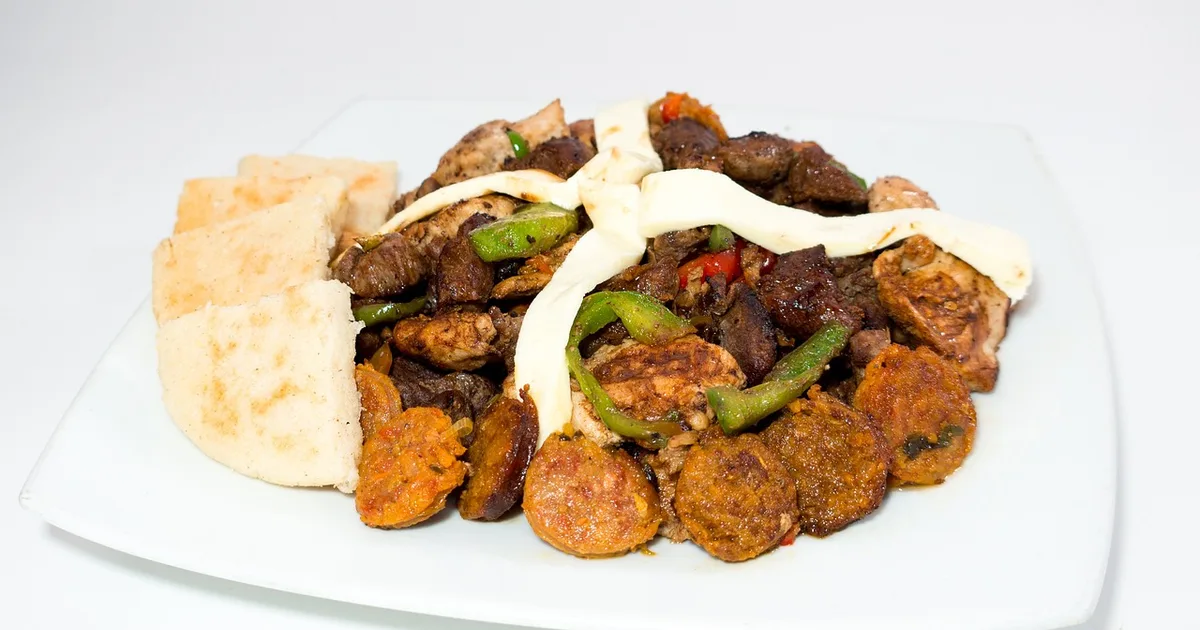
As Christians, we are called to welcome the stranger and remember that we are all pilgrims on this earth. The Bible teaches us: “Do not mistreat or oppress a foreigner, for you were foreigners in Egypt” (Exodus 22:21, NIV). This word challenges us to look beyond the headlines and see the human face behind the numbers.
The Challenges of Reintegration
The decision not to return is not simple. It involves factors like lack of dignified work opportunities, street insecurity, and instability of basic services such as health and education. Many Venezuelans have built new lives in countries like Brazil, Colombia, Peru, and Chile, creating ties and responsibilities that make an abrupt rupture difficult. Moreover, the trauma of forced migration leaves deep marks. The psalmist expresses this pain: “By the rivers of Babylon we sat and wept when we remembered Zion” (Psalm 137:1, NIV).
The Role of the Church in Welcoming
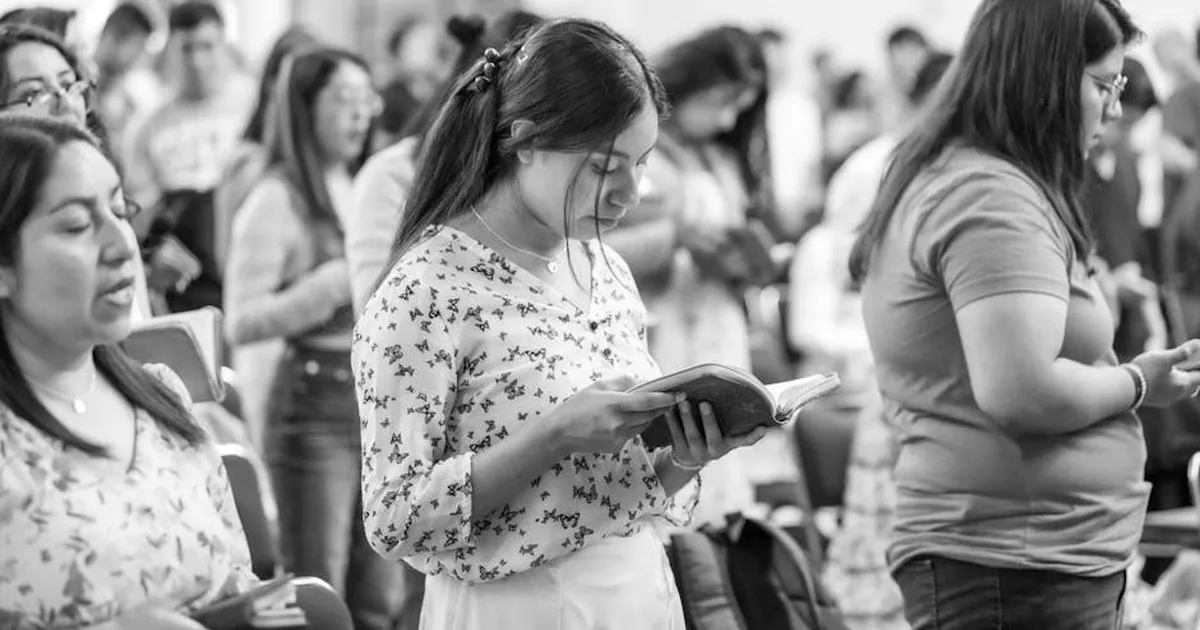
Christian communities play a fundamental role in this context. Local churches around the world have opened their doors to offer not only material assistance but also emotional and spiritual support. Prayer groups, language classes, and solidarity networks are examples of how faith translates into action. The apostle Paul reminds us: “Carry each other’s burdens, and in this way you will fulfill the law of Christ” (Galatians 6:2, NIV). Every gesture of welcome is a seed of the Kingdom of God.
Hope Beyond Circumstances
Despite the difficulties, many Venezuelans keep alive the hope that one day they will be able to return. This hope is not naive but rooted in trust in God, who can transform impossible realities. The prophet Jeremiah wrote to the exiles: “Seek the peace and prosperity of the city to which I have carried you into exile. Pray to the Lord for it, because if it prospers, you too will prosper” (Jeremiah 29:7, NIV). While they wait, migrants are called to flourish where they are, contributing to the societies that welcome them.
The story of Ruth, the Moabite who left her land to accompany her mother-in-law Naomi, is a beautiful example of faith and new beginnings. She found welcome in Bethlehem and became part of the lineage of David. Likewise, every Venezuelan migrant carries gifts and talents that can bless the communities that receive them.
A Call to Solidarity
Faced with this scenario, we are challenged to act. How can we support Venezuelans living among us? First, by praying for them and for the authorities of all involved countries. Second, by offering genuine friendship that goes beyond occasional assistance. Third, by advocating for just public policies that respect human dignity. Jesus taught us: “For I was hungry and you gave me something to eat, I was thirsty and you gave me something to drink, I was a stranger and you invited me in” (Matthew 25:35, NIV). Every act of love for neighbor is service to Christ himself.
May we, as a church, be instruments of hope and healing for those who still await the day of return. And until that day comes, may we build bridges of love and solidarity.


Comments