
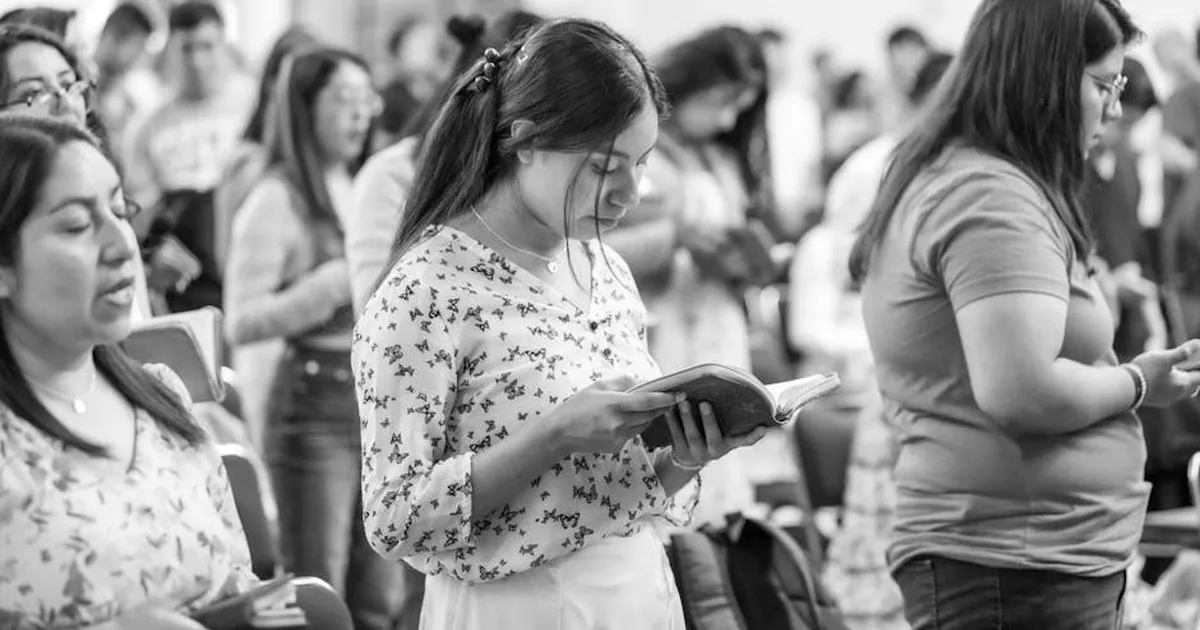
In a world often divided by conflict and strife, the power of united prayer can bring hope and healing. On a recent evening in London, an ecumenical service of evening prayer for peace in the Middle East brought together Christians from various traditions. This gathering, held at a historic church, was a poignant reminder that our faith calls us to be peacemakers, especially in regions that have long suffered from violence and instability.

The service was led by a bishop with a special responsibility for the Holy Land, alongside leaders from Churches Together. Their presence symbolized a collective yearning for God's shalom—a peace that goes beyond the absence of war to encompass justice, reconciliation, and flourishing for all people.
As followers of Christ, we are commanded to pray for peace and to work for it. Jesus said, "Blessed are the peacemakers, for they shall be called sons of God" (Matthew 5:9, ESV). This beatitude challenges us to actively seek peace in our communities and around the world.
The Significance of Ecumenical Prayer
Ecumenical gatherings are a powerful witness to the unity that Christ desires for his church. When Christians from different denominations come together to pray, they demonstrate that our common faith in Jesus is stronger than our differences. This is especially important when praying for a region like the Middle East, where Christians are a minority and often face persecution.
The Apostle Paul urged the early church to "maintain the unity of the Spirit in the bond of peace" (Ephesians 4:3, ESV). An ecumenical vigil for peace is a practical expression of this unity. It reminds us that we are all part of one body, and when one part suffers, we all suffer (1 Corinthians 12:26).
Why Pray for the Middle East?
The Middle East is the birthplace of our faith, yet it has been a region of conflict for decades. From the Israeli-Palestinian conflict to the wars in Syria and Iraq, countless lives have been uprooted and communities destroyed. Christians in particular have faced severe persecution, with many being forced to flee their ancestral homes.
Prayer is not a passive act; it is a declaration of dependence on God, who is able to do far more than we can ask or imagine (Ephesians 3:20). When we pray for peace, we align our hearts with God's heart, who desires all people to be saved and to live in harmony.
Biblical Foundations for Praying for Peace
Scripture is filled with calls to pray for peace. The psalmist instructs us: "Pray for the peace of Jerusalem! 'May they be secure who love you!'" (Psalm 122:6, ESV). This verse highlights the importance of interceding for the Holy City, which remains a focal point of conflict and hope.
In the New Testament, Paul urges believers to pray for all people, including those in authority, so that we may live peaceful and quiet lives (1 Timothy 2:1-2). This extends to praying for leaders in the Middle East, that they may govern with wisdom and justice.
"Seek the welfare of the city where I have sent you into exile, and pray to the Lord on its behalf, for in its welfare you will find your welfare." — Jeremiah 29:7, ESV
This verse from Jeremiah reminds us that even in difficult circumstances, we are called to seek the peace of the places where we live. For Christians, this means actively working for the common good, including through prayer.
Practical Steps for Praying for Peace
How can we, as individual believers or church communities, join in praying for peace in the Middle East? Here are some practical suggestions:
- Set aside regular time: Dedicate a specific time each week to pray for the region, perhaps using news headlines as prayer prompts.
- Use Scripture: Pray through passages like Psalm 122 or the Beatitudes, asking God to bring those words to life.
- Partner with others: Join or form an ecumenical prayer group focused on global peace.
- Support ministries: Consider supporting organizations that work for peace and reconciliation in the Middle East.
Reflection and Application
As we reflect on this ecumenical vigil, we are reminded that prayer is not a substitute for action, but it is the foundation for all that we do. When we pray for peace, we open ourselves to being part of God's answer. The Holy Spirit may lead us to write to our political representatives, support refugee ministries, or simply show kindness to a neighbor from a different background.
Take a moment to consider: How can you be a peacemaker in your own sphere of influence? What steps can you take this week to pray for and work toward peace, whether in the Middle East or in your local community?
Let us hold fast to the promise of Jesus: "Peace I leave with you; my peace I give to you. Not as the world gives do I give to you. Let not your hearts be troubled, neither let them be afraid" (John 14:27, ESV).



Comments