
The Mass is the heart of Christian life. For many believers around the world, participating in the Eucharistic celebration is a sacred moment of encounter with God and with the community. Yet, amid the busyness of daily life, we sometimes lose sight of the depth of this act of faith. In this article, we will explore the meaning of the Mass, its essential parts, and how we can live it more fully, transforming each celebration into an experience that renews our walk with Christ.
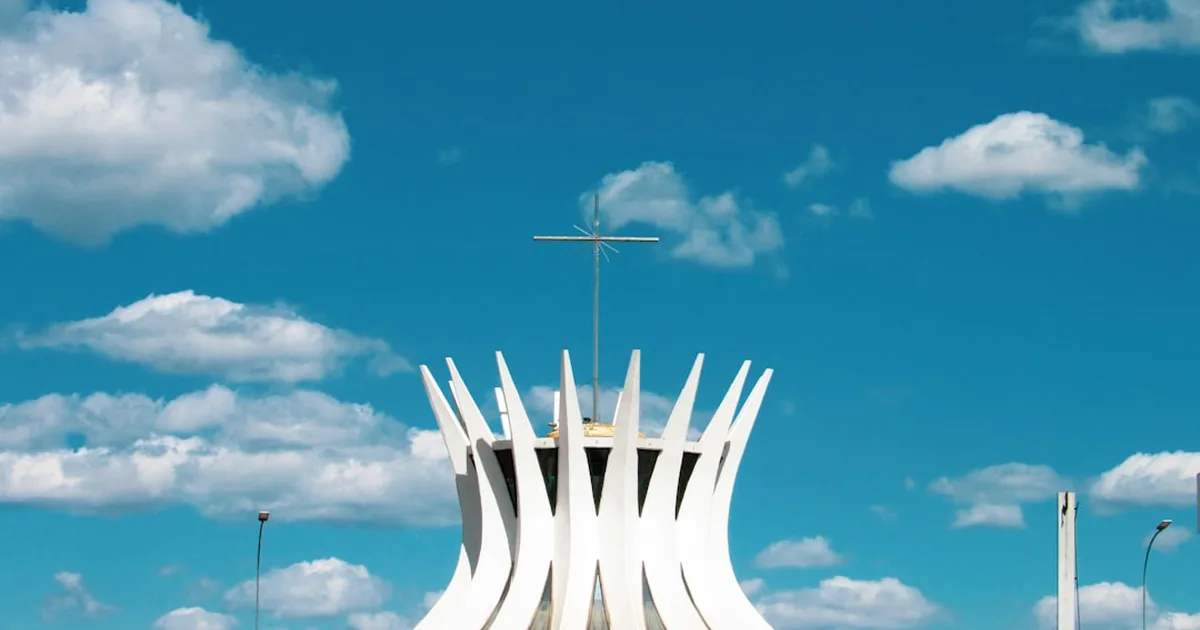
What is the Mass and why is it central to the Christian faith?
The Mass, also called the Lord's Supper or Eucharist, is the celebration in which Christians gather to remember and participate in the sacrifice of Jesus Christ. From the earliest centuries, the Church has understood that in the Mass, Christ himself is present in a special way. As it is written in the Gospel of Luke: “Do this in remembrance of me” (Luke 22:19). This command of Jesus to the apostles instituted what we now know as the Eucharistic celebration.
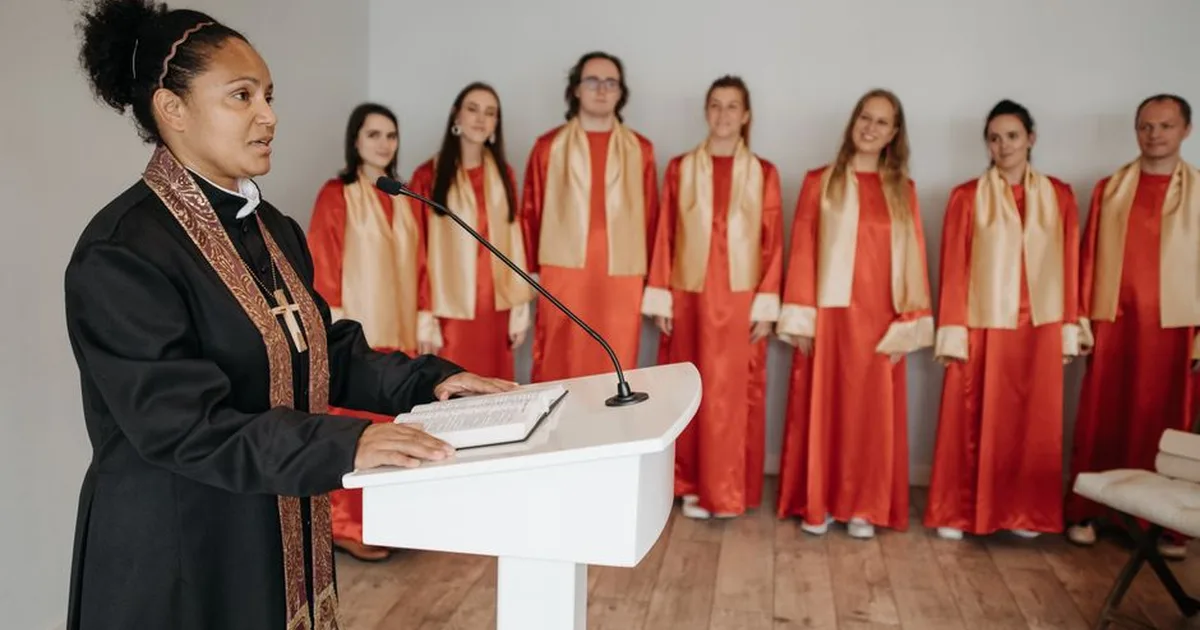
In many contexts around the world, the Mass is a weekly gathering point for millions of people. Whether in grand cathedrals or small rural chapels, the celebration brings together families, young and old around the Lord's table. It is a time of prayer, listening to the Word, and fraternal communion.
The parts of the Mass: a spiritual journey
Understanding the structure of the Mass helps us participate with greater awareness and devotion. The celebration is divided into four main parts: Introductory Rites, Liturgy of the Word, Liturgy of the Eucharist, and Concluding Rites.
Introductory Rites
The Mass begins with the entrance song, the priest's greeting, and the penitential act. In this moment, we are invited to acknowledge our shortcomings and ask for forgiveness, preparing our hearts to meet the Lord. In many communities, the entrance song already creates an atmosphere of welcome and joy.
Liturgy of the Word
In this part, we hear the biblical readings: usually one from the Old Testament, a Responsorial Psalm, a reading from the New Testament, and the Gospel. The priest's homily helps us connect God's Word to our lives. The Apostle Paul reminds us: “Faith comes from hearing, and hearing through the word of Christ” (Romans 10:17). Therefore, the Liturgy of the Word nourishes our faith.
Liturgy of the Eucharist
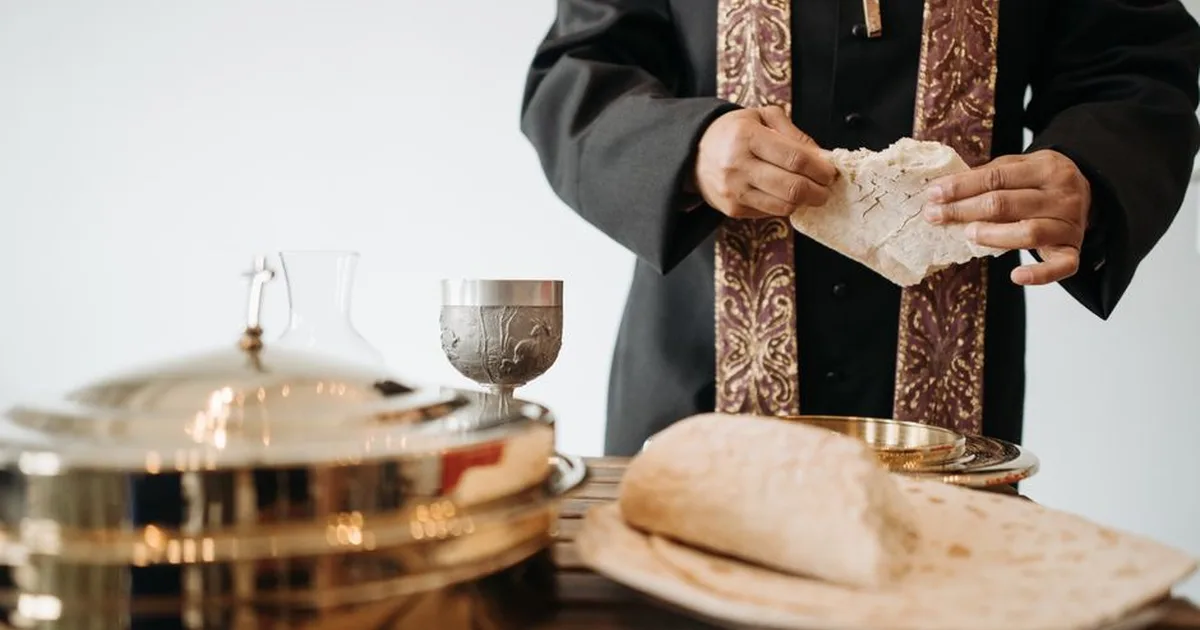
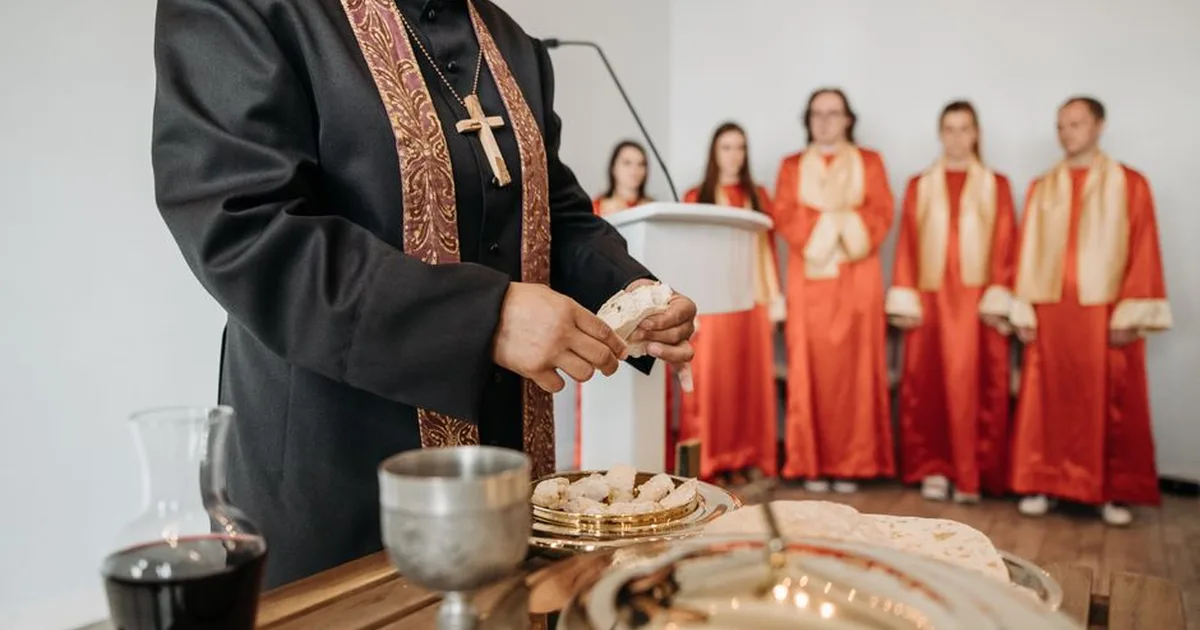
This is the high point of the Mass. The bread and wine are presented, and the priest repeats the words of Jesus at the Last Supper. By the action of the Holy Spirit, they become the Body and Blood of Christ. Communion unites us to Jesus and to one another. Receiving the Eucharist is an act of love and commitment.
Concluding Rites
The Mass ends with the blessing and dismissal. We are called to take Christ into the world, living out what we have celebrated. The priest says: “Go in peace, and may the Lord be with you.” It is a reminder that the Mass does not end in the church; it extends into our daily actions.
How to participate better in the Mass?
Often, we go to Mass out of obligation or habit, but we can make it more meaningful. Here are some practical tips:
- Prepare beforehand: Arrive a few minutes early to quiet your heart and pray. Set aside your worries and focus on meeting God.
- Listen with your heart: During the readings and homily, try to apply the message to your life. Ask yourself: “What is God saying to me today?”
- Sing and pray aloud: Actively participating in songs and prayers helps you enter the spirit of the celebration.
- Receive Communion reverently: When receiving the host, make an act of faith. After Communion, take a moment of silence to give thanks.
- Take the Mass home: Throughout the week, remember the Gospel words and try to live them out at work, with family, and in your community.
Mass and community: a testimony of faith
Around the world, the Mass is also a space for

Comments