
Dear brothers and sisters, the church is not just a building we attend on Sundays. It is so much more: it is a living community, a space where the love of God becomes tangible among us. The apostle John reminds us in his first letter: "Dear friends, let us love one another, for love comes from God. Everyone who loves has been born of God and knows God" (1 John 4:7, NIV). This truth is the foundation of our life together.
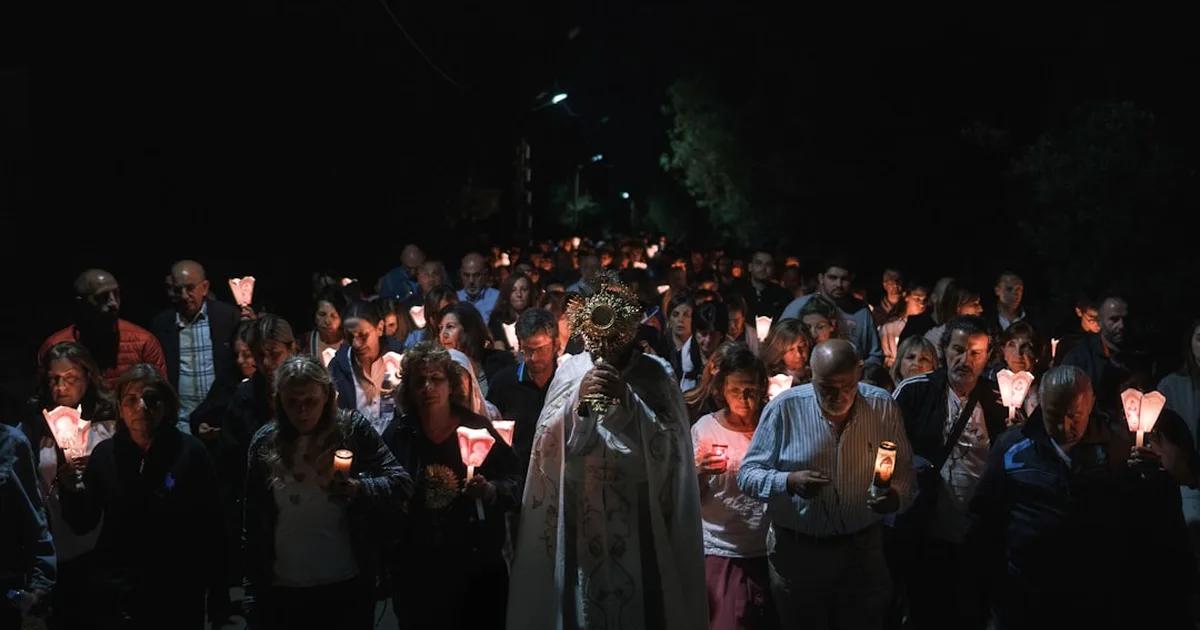
Love is not a fleeting feeling or a superficial emotion. It is the very essence of God, poured into our hearts by the Holy Spirit (Romans 5:5). When we gather as a church, we are called to reflect that divine love, a place where every person finds welcome, understanding, and support. It is not about a perfect community, but a community that learns to love despite differences and imperfections.
Love That Transforms
God's love doesn't leave us unchanged. It transforms us from within, renewing our minds and how we relate to others. In the Christian community, love becomes a driving force that moves us to serve, forgive, and build bridges instead of walls. As Paul writes in Romans 12:10: "Be devoted to one another in love. Honor one another above yourselves" (NIV).
This love is not self-centered. It is not about a community that closes in on itself, but one that opens to the world, carrying the message of hope and reconciliation. The church exists for mission: to proclaim the good news of Jesus and show his love through concrete actions. Every member is an ambassador of that love, called to be light and salt in society.
The Power of Love in Action
Martin Luther King Jr. once said: "Power without love is reckless and abusive, and love without power is sentimental and anemic. The best power is love that demands justice, and the best justice is power that corrects everything that stands against love." These words challenge us to live a love that is not just words, but translates into actions of justice and mercy.
In our communities, love must be expressed in caring for the vulnerable, defending the oppressed, and seeking peace. We cannot call ourselves a community of love if we ignore the suffering of our neighbor. True love moves us to act, to reach out, to share what we have, and to be a voice for the voiceless.
Relearning Love Every Day
Perhaps one of the church's most important tasks is to relearn love. It is not something we naturally master, because selfishness and pride pull us away from that ideal. But the Holy Spirit teaches and enables us to love as Jesus loved. In Ephesians 4:2-3, Paul urges us: "Be completely humble and gentle; be patient, bearing with one another in love. Make every effort to keep the unity of the Spirit through the bond of peace" (NIV).
Relearning love means unlearning attitudes that harm fellowship: destructive criticism, indifference, unfair competition. It means cultivating attentive listening, empathy, and generosity. It means recognizing that each person is a gift from God to the community, with their talents and weaknesses.
Communities as Generous Homes
Imagine our churches as generous homes, where there is always room for one more. Where doors are open, not only physically but also in the heart. Where love spills out like a perfume filling the whole atmosphere. This image invites us to be welcoming communities, where every visitor feels at home and every member feels valued.
To achieve this, we need to cultivate authentic relationships. It is not enough to greet each other on Sundays; we must walk together, share burdens, celebrate joys, and grow together in faith. The love that unites us is not a distant ideal but a daily reality that we build with each gesture of kindness, each word of encouragement, each act of service. May the Holy Spirit continue to transform our communities into places where the love of God is visible and palpable, attracting all people to the heart of Christ.



Comments