
Dear brothers and sisters, in these days when faith is lived amidst complex realities, it's essential to remember the promise Jesus left us before ascending to heaven. In the book of Acts, we find words that resonate powerfully today: "But you will receive power when the Holy Spirit comes on you; and you will be my witnesses" (Acts 1:8, NIV). This isn't a promise from the past, but a living reality that continues to transform faith communities around the world.
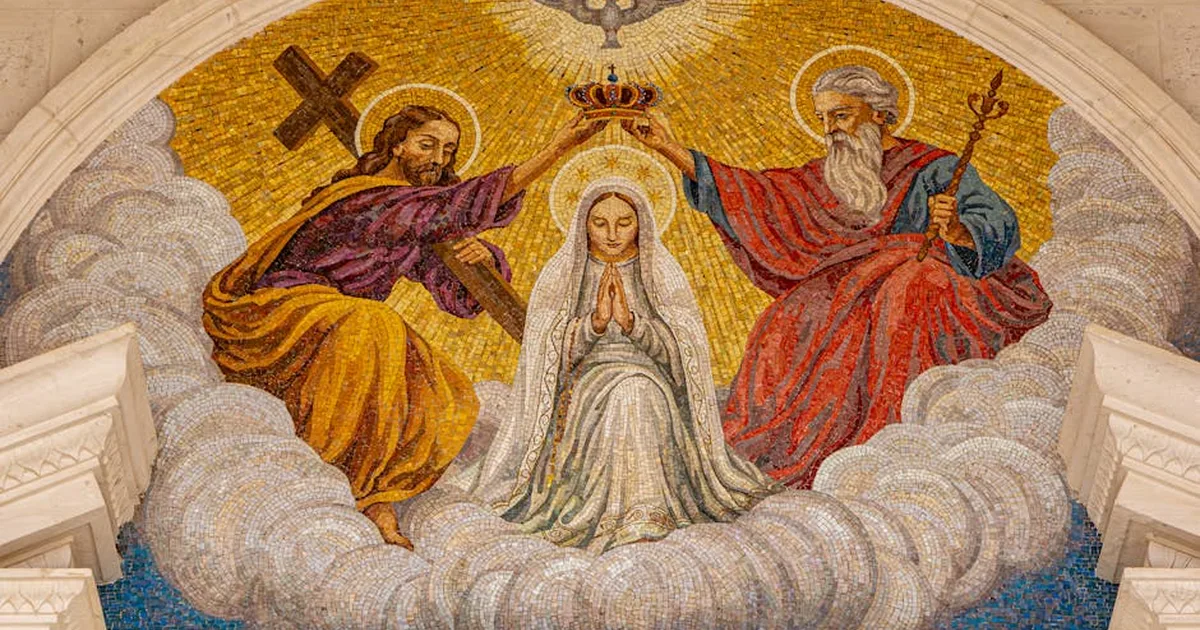
The Pentecost experience marked the beginning of the church as we know it, but that same Spirit is still at work today. In our diverse communities, where Christian congregations face unique challenges, the Spirit's presence reminds us we're not alone. As the apostle Paul teaches us: "The Spirit himself intercedes for us through wordless groans" (Romans 8:26, NIV).
Reflecting on the Spirit's work in today's church invites us to recognize how God continues to guide his people. In a rapidly changing world, the Spirit's constancy offers stability and direction. This presence assures us that although circumstances may vary, the church's essence remains rooted in God's love and power.
The Spirit Unites Us in Our Diversity
One of the most beautiful wonders of the Holy Spirit's work is the ability to create unity amid diversity. When we read about Pentecost, we see how people from different languages and cultures could understand each other through divine action. Today, in our communities, we experience something similar: the Spirit helps us build bridges between generations, traditions, and diverse faith experiences.
The spiritual gifts the Spirit distributes aren't for personal glorification, but for community building. As Paul explains: "Now to each one the manifestation of the Spirit is given for the common good" (1 Corinthians 12:7, NIV). This means every believer has something valuable to contribute to the community, and together we form a body that reflects the richness of God's love.
In societies marked by social, economic, and cultural differences, the church has the opportunity to show the world how the Spirit can create genuine fellowship. This isn't about uniformity, but unity in diversity, where every voice finds its place and every gift serves the common good. This stands as powerful testimony in often-divided societies.
Gifts for Service
The gifts the Spirit provides are varied and complementary. Some have teaching gifts, others gifts of service, others hospitality, others leadership. What matters is recognizing that all these gifts come from the same Spirit and share a common purpose: strengthening the church and extending God's kingdom. When each member discovers and develops their gifts, the community grows stronger and can better fulfill its mission.
It's crucial to remember that spiritual gifts aren't trophies to display, but tools for service. Jesus himself gave us the ultimate example of service, and the Spirit empowers us to follow in his footsteps. In a culture that sometimes values individual success over community service, the church is called to show a different path, guided by the Spirit of love and humility.
The Spirit Sends Us into the World
The Holy Spirit's power is never meant for us to stay comfortable within our church walls. On the contrary, it propels us to go out into the world with the good news of the gospel. Mission isn't an option for the church—it's our very reason for being, and it's the Spirit who gives us the courage, wisdom, and right words for this calling.
In our contemporary context, being witnesses means engaging with our neighbors in ways that demonstrate Christ's love practically. The Spirit equips us not just with words, but with compassionate hearts and listening ears. Whether we're serving in local communities, workplaces, or digital spaces, the same Spirit who empowered the early church continues to empower us today.
As we navigate complex social landscapes, the Spirit provides discernment to know when to speak and when to listen, when to act and when to wait. This guidance helps us avoid both isolation from the world and uncritical accommodation to it. Instead, we're called to be transformative presences—salt and light—in every sphere of society.
The church's mission isn't about programs or strategies alone, but about Spirit-led encounters that change lives. When we rely on the Spirit's guidance rather than merely human planning, we discover unexpected opportunities to share hope and build bridges. This requires both boldness and sensitivity—qualities the Spirit develops in us as we remain connected to Christ.



Comments