
From April 17 to 26, 2026, the historic city of Trier will once again transform into a special place of encounter between faith, culture, and community. The Holy Robe Days, held regularly in the Diocese of Trier, offer believers and seekers a unique opportunity to gather spiritual experiences and engage with Christian traditions in their full depth. These days stand not only in the sign of a significant relic but especially in the sign of living faith that connects people across generations.
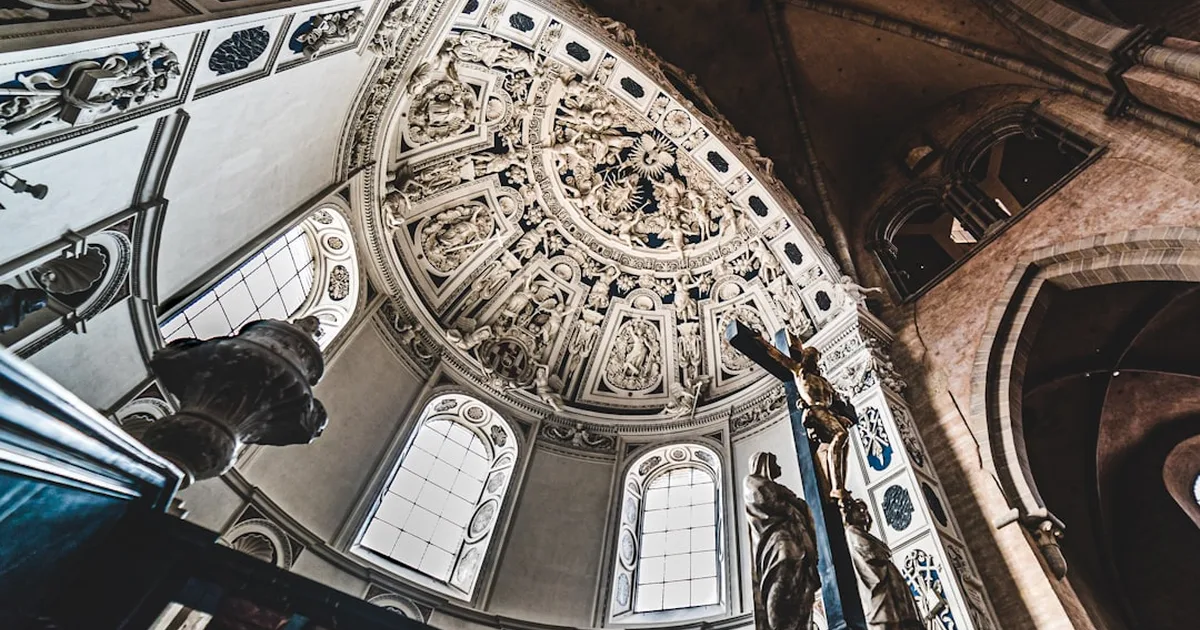
The Holy Robe Chapel, open to visitors during this time, forms the spiritual center of the event. Here, the Holy Robe, one of Christianity's most important relics, is venerated. This tradition dates back to the 4th century and has attracted countless pilgrims over the centuries. The chapel itself radiates a special atmosphere of devotion and contemplation, inviting visitors to inner reflection.
For many Christians, the veneration of relics represents a tangible connection to the origins of faith. It reminds us that Christian faith consists not only of abstract teachings but also has an incarnational dimension. As the Apostle Paul writes in his second letter to Timothy:
"Hold fast the pattern of sound words which you have heard from me, in faith and love which are in Christ Jesus. That good thing which was committed to you, keep by the Holy Spirit who dwells in us." (2 Timothy 1:13-14 NKJV)
A Diverse Program for Spirit and Senses
The program for the Holy Robe Days 2026 is intentionally broad to allow different approaches to faith. In addition to solemn worship services that form the liturgical highlight, numerous concerts of sacred music will take place. These range from Gregorian chant and classical church music to contemporary spiritual compositions. Music has always had a special power to open hearts and touch people in their search for faith.
Meditative offerings such as guided prayer times, silent retreats, and biblical reflections complement the spiritual program. Particularly valuable are opportunities for personal conversation with spiritual counselors and confession. These elements create spaces for individual faith experiences and personal growth. The diversity of offerings reflects that Christian faith knows many forms of expression and that each person may find their own path to encountering God.
Cultural events such as lectures, exhibitions, and artistic performances round out the program. They show how faith and culture can enrich each other and how Christian values become visible in various artistic forms of expression. This holistic approach corresponds to the biblical understanding of the human person as a unity of body, soul, and spirit.
The Significance of Communal Celebrations
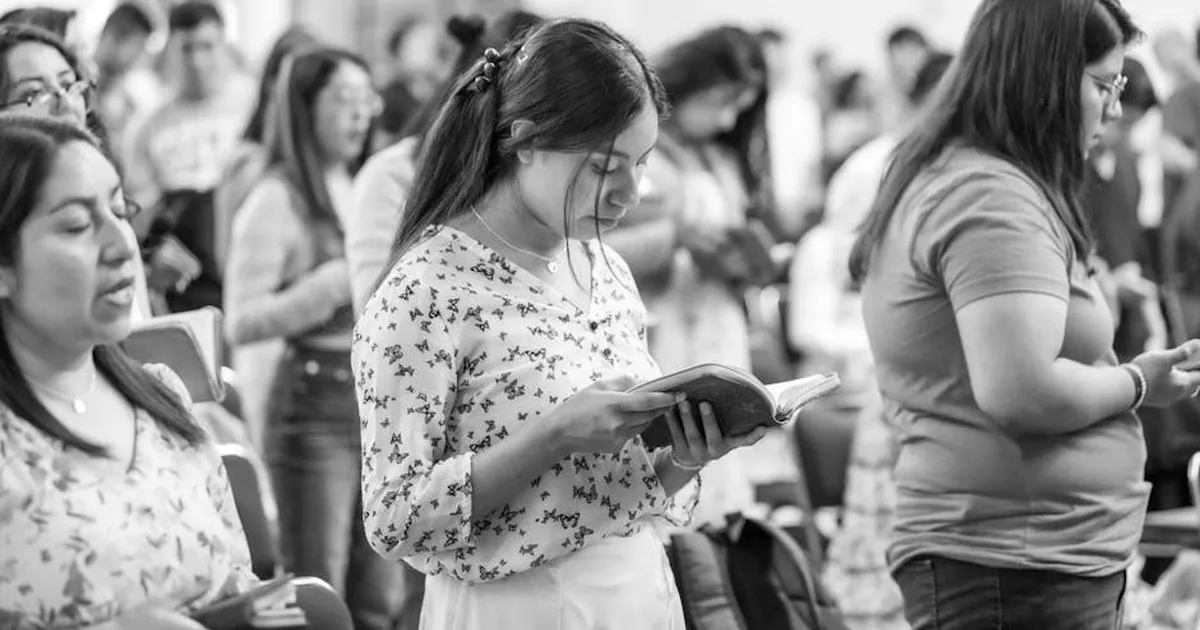
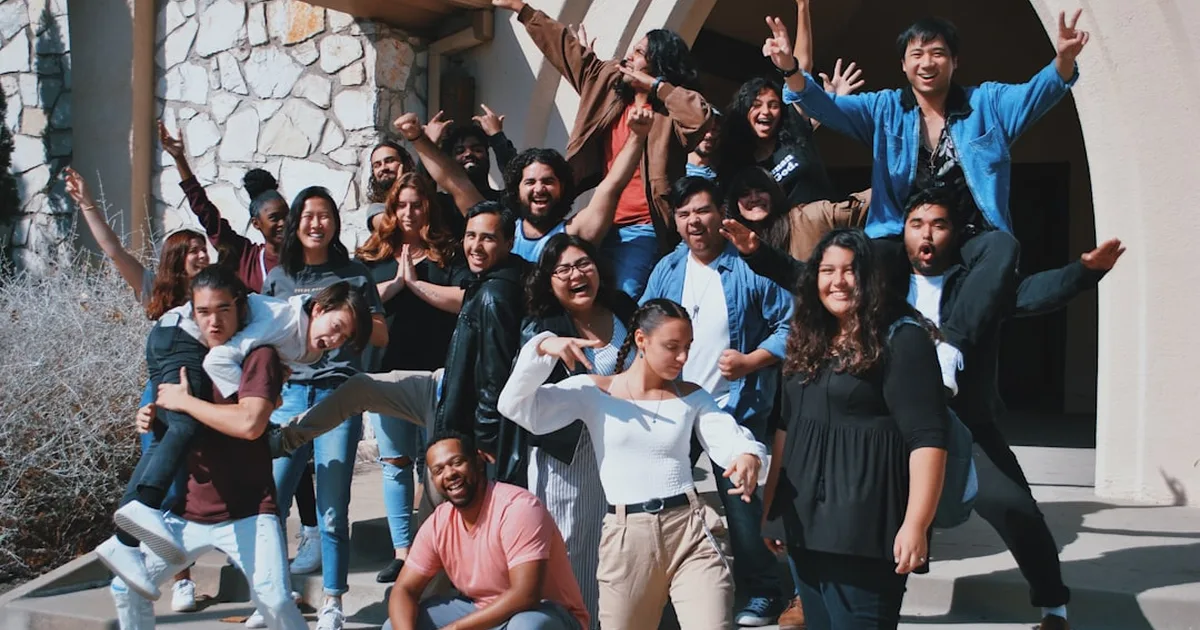
A special feature of the Holy Robe Days is their community-building character. Christians of different generations, backgrounds, and life situations come together to pray, sing, and celebrate together. This experience of unity in Christ is particularly valuable in a time often characterized by isolation. Celebrating together strengthens awareness of being part of a larger community that transcends space and time.
The Bible repeatedly emphasizes the importance of the community of believers. In the letter to the Hebrews it says:
"And let us consider one another in order to stir up love and good works, not forsaking the assembling of ourselves together, as is the manner of some, but exhorting one another, and so much the more as you see the Day approaching." (Hebrews 10:24-25 NKJV)



Comments