
In these times when international tensions seem to intensify, the Church maintains its constant call to peace and dialogue. As a community of faith, we remember that our identity is rooted in Christ, who reconciled us to God and entrusted us with the ministry of reconciliation (2 Corinthians 5:18, NIV). This mission transcends political and cultural boundaries, inviting us to be instruments of healing amid conflicts.
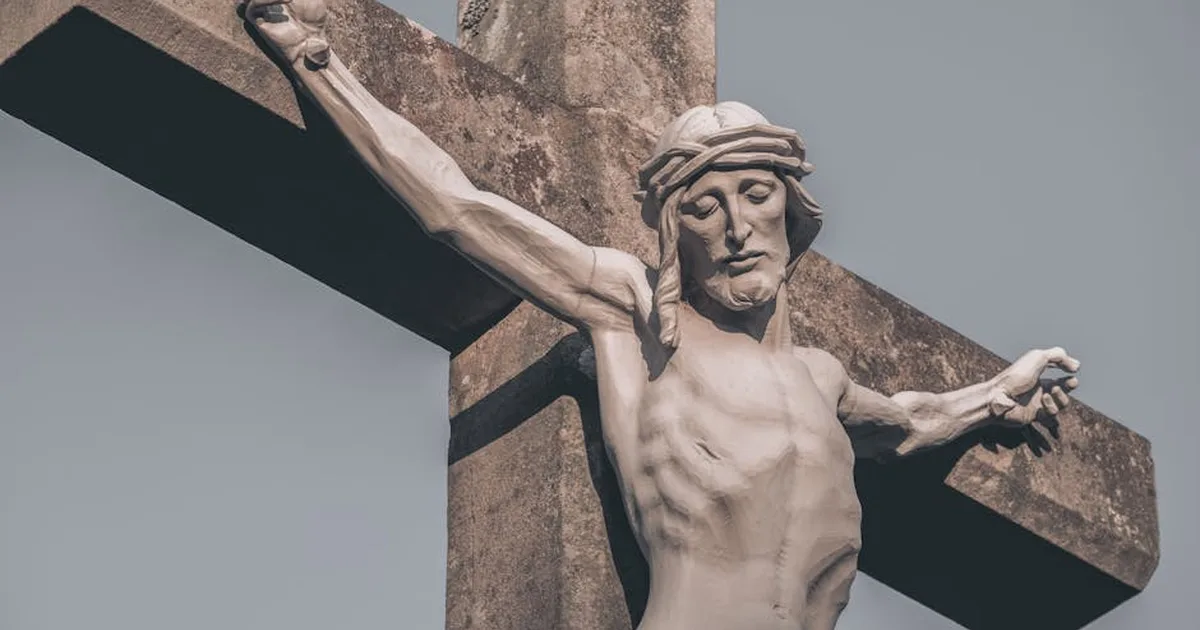
Recent history reminds us of the transition from the pontificate of Pope Francis, who passed away on April 21, 2025, to the current Pope Leo XIV, elected in May of that same year. Each successor of Peter carries the same Gospel mandate: to proclaim peace and work for justice. In moments of global polarization, this message may create tensions, but it also represents an opportunity to reflect on our Christian vocation.
When nations clash and rhetoric hardens, the ecclesial community is called to maintain its prophetic voice. This isn't about taking sides politically, but about remembering the Gospel principles that should guide all human relationships. As the apostle Paul reminds us: "If it is possible, as far as it depends on you, live at peace with everyone" (Romans 12:18, NIV).
Peace as Gift and Calling
The peace Christ offers us isn't simply the absence of conflict, but a profound reality that transforms hearts and structures. Jesus himself told us: "Peace I leave with you; my peace I give you. I do not give to you as the world gives. Do not let your hearts be troubled and do not be afraid" (John 14:27, NIV). This divine peace empowers us to face the world's divisions with hope and wisdom.
In the current context, where different nations may have opposing positions on international issues, the Church maintains its call to seek peaceful solutions. This doesn't mean ignoring injustices or remaining indifferent to suffering, but recognizing that violence begets more violence and that honest dialogue is the path toward lasting solutions.
Pastoral experience teaches us that conflicts are rarely resolved through confrontation. Rather, they require patience, mutual understanding, and willingness to listen. As Christians, we're called to be "peacemakers" in the deepest sense of the word: active builders of peace, even when this means swimming against the current of prevailing opinion.
The Witness of Peace's Martyrs
Throughout history, many followers of Christ have witnessed to peace even in the most difficult circumstances. From the early martyrs who forgave their persecutors to modern saints who worked for reconciliation in their countries, these witnesses remind us that love is stronger than hate.
Their lives embody Jesus' words: "Blessed are the peacemakers, for they will be called children of God" (Matthew 5:9, NIV). This beatitude isn't a promise for those who avoid conflict at all costs, but for those who actively work to build bridges of understanding and heal the wounds of division.
The Church as Space for Dialogue
In a polarized world, Christian communities have the unique opportunity to become spaces where people with different perspectives can meet and dialogue. The Eucharist, which means "thanksgiving," gathers us around a common table where our human differences are transcended by our unity in Christ.
This ministry of reconciliation begins locally: in our parishes, prayer groups, and base communities. When we cultivate the capacity to listen respectfully to those who think differently, we're practicing the necessary skills for building bridges in a divided world. Our churches can become laboratories of peace where we learn to see beyond political labels and recognize the image of God in every person.
The prophetic call of the Church isn't about having all the answers to complex geopolitical problems, but about maintaining a consistent witness to the values of the Kingdom. In times when nationalism and polarization threaten to divide humanity, the Christian community offers an alternative vision: one where reconciliation is possible because we believe in a God who reconciles all things in Christ.
As we navigate these challenging times, let us remember that our peacemaking efforts, however small they may seem, contribute to God's greater work of healing our world. Each act of forgiveness, each conversation that bridges divides, each prayer for peace becomes part of the Church's ongoing prophetic ministry in a world longing for reconciliation.


Comments