
Dear brother, dear sister, have you ever stopped to contemplate the beauty that surrounds us? The birdsong at dawn, the majesty of mountains, the tranquility of a flowing river. None of this is accidental. The Bible tells us clearly: "The heavens declare the glory of God; the skies proclaim the work of his hands" (Psalm 19:1, NIV). Every element of creation is like a divine word speaking to us of our Creator's love and wisdom.
When we look at our planet, we're not simply seeing resources or landscapes. We're contemplating what Pope Francis called our "common home," a sacred space where the story of salvation unfolds. It's in this world that God reveals himself, where Jesus walked, healed, and taught. That's why our relationship with creation isn't merely practical or utilitarian, but profoundly spiritual.
The psalmist captures this truth wonderfully when he exclaims: "When you send your Spirit, they are created, and you renew the face of the ground" (Psalm 104:30, NIV). This constant renewal reminds us that God didn't abandon his work after the six days of creation. He continues to act, sustaining and renewing everything that exists through his Holy Spirit.
Our Vocation as Caretakers of Creation
From the beginning, God entrusted us with a special task. After creating human beings in his image, he said: "Be fruitful and increase in number; fill the earth and subdue it. Rule over the fish in the sea and the birds in the sky and over every living creature that moves on the ground" (Genesis 1:28, NIV). This word "rule" has sometimes been misunderstood. It's not about ruthless exploitation, but loving care—like a good king cares for his kingdom or a shepherd for his flock.
We're called to be gardeners, not absolute owners. Imagine a beautiful garden someone lends you for a time. Your responsibility isn't to extract everything you can before returning it, but to care for it, improve it, and return it in better condition than you received it. That's our relationship with creation: we're temporary stewards of an eternal gift.
This understanding completely transforms how we relate to our environment. We no longer see nature as something separate from us, but as part of our extended family. As John Wesley said, when we become familiar with the works of nature, we become part of this family and share in its joys. Ignorance, on the other hand, makes us feel like strangers in our own home.
Ecological Spirituality: A Faith That Takes Flesh
Ecological spirituality isn't an additional or secondary topic in our life of faith. It's the natural consequence of believing in a Creator God who became flesh in Jesus. When the Word became flesh, he didn't just redeem humanity—he sanctified all creation. That's why our commitment to caring for the planet isn't just a political or social issue, but an act of worship.
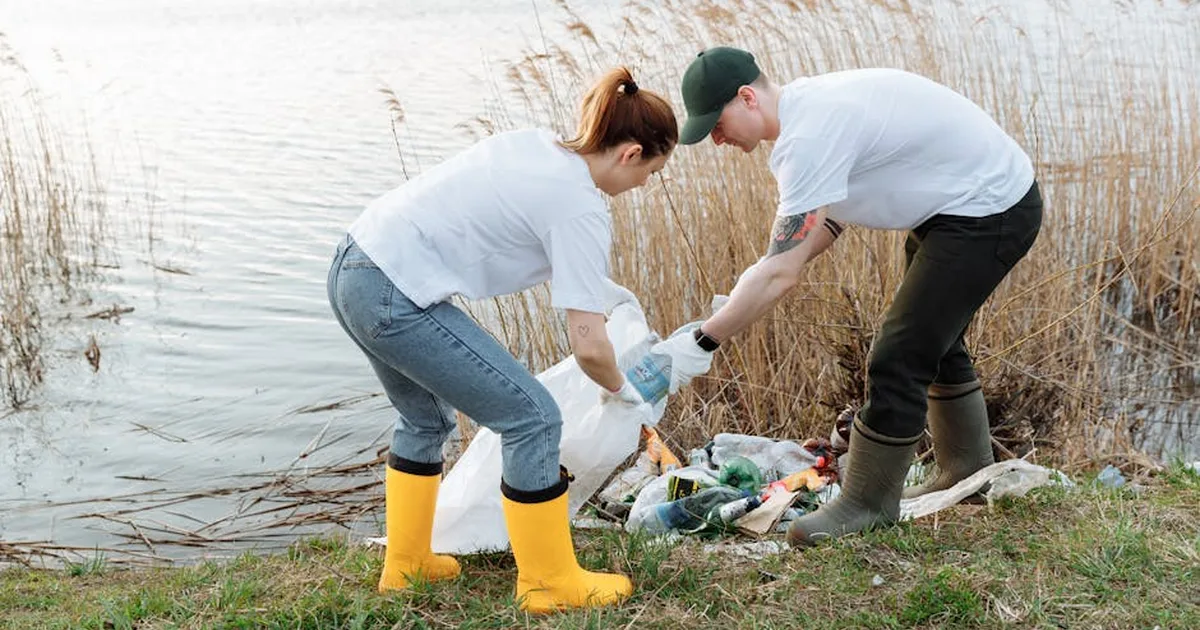
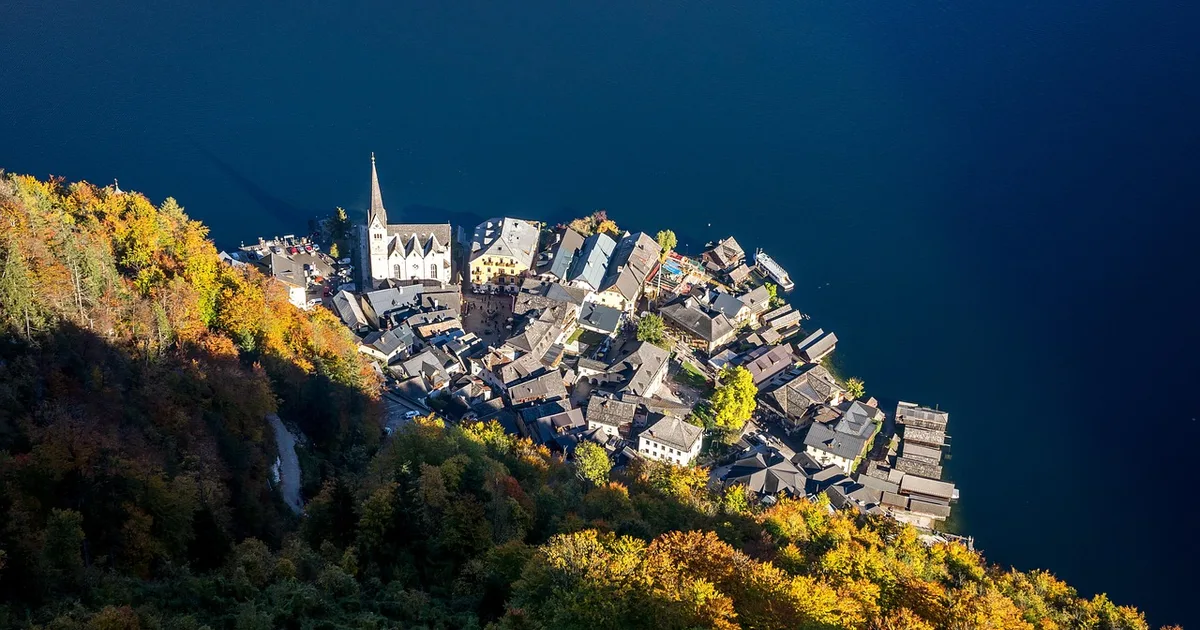
This spirituality manifests in concrete gestures: reducing our consumption, recycling, valuing local products, walking or using public transportation when possible. Every small action is like a prayer that says: "Lord, I thank you for this gift and promise to care for it." Just as we care for our stone temples, we must care for the greater temple that is all creation.
Pope León XIV, in his early teachings, has taken up this urgent call. Following his predecessor's legacy, he reminds us that caring for creation is inseparable from caring for the poorest, who often suffer first from environmental degradation. Our faith calls us to a comprehensive ecological conversion that transforms both our hearts and our habits.


Comments