
From April 20th to 24th, the bishops of Spain are convening for their 129th Plenary Assembly—a space for communion and reflection that takes on special meaning in the current ecclesial context. This gathering is not merely an administrative meeting, but a moment of mutual listening and seeking God's will for His people on the Iberian Peninsula. In a rapidly changing world, the Church is called to be a beacon of hope and guidance, and these assemblies represent a collective effort to respond to that call with faithfulness and wisdom.
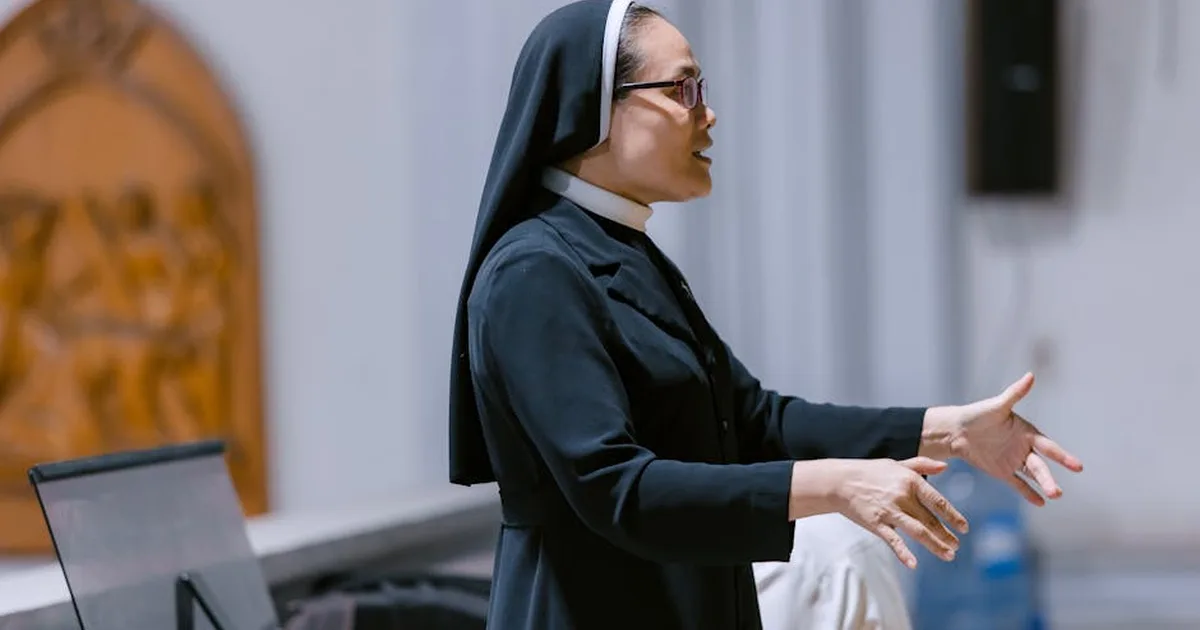
The headquarters of the Spanish Episcopal Conference becomes a place of dialogue and prayer these days, where shepherds exchange experiences, analyze the challenges of the present moment, and chart paths of evangelization. As the apostle Paul reminds us: "For where two or three gather in my name, there am I with them" (Matthew 18:20, NIV). This promise of Jesus takes on special significance when those gathering are those entrusted with guiding Christ's flock.
The global ecclesial context has experienced significant changes recently. Following the passing of Pope Francis in April 2025, the universal Church received Pope Leo XIV as its new shepherd, who assumed the Petrine ministry in May of that same year. This change in universal leadership invites all local churches to renewed discernment about how to live and proclaim the Gospel today.
Central Themes Shaping the Pastoral Agenda
Among the matters occupying the bishops' attention is preparation for Pope Leo XIV's visit to Spain, scheduled for June. This apostolic visit represents a moment of grace for the Spanish Church—an opportunity to renew missionary enthusiasm and strengthen bonds with the See of Peter. The spiritual and logistical preparation for this event requires careful planning and hearts open to what the Spirit wishes to accomplish in that encounter.
Another important item on the agenda is the study of the doctrinal note "Cor ad cor loquitur" (Heart speaks to heart), approved by the Permanent Commission in January. This document addresses fundamental questions of faith and its expression in the contemporary world, inviting deep reflection on how to communicate the eternal truths of the Gospel to a human heart yearning for meaning and transcendence. As Saint Augustine wrote: "You have made us for yourself, O Lord, and our heart is restless until it rests in you."
The protection of minors and vulnerable persons also occupies a priority place in the deliberations. The Church in Spain, learning from painful experiences of the past, seeks to establish increasingly effective mechanisms to create safe environments where all, especially the littlest ones, can grow in faith. Jesus Himself gave us the clearest example when He said: "Let the little children come to me, and do not hinder them, for the kingdom of heaven belongs to such as these" (Matthew 19:14, NIV).
The Challenge of Communication in the Digital Age
In a hyperconnected world that is often superficial in its relationships, the bishops reflect on how the Church can use digital media to create authentic community and transmit Christ's message. It's not simply about adopting new technologies, but about imbuing them with the spirit of the Gospel, transforming communication tools into bridges of human and divine encounter.
Evangelization in urban and rural contexts, accompaniment of families, ecumenical and interreligious dialogue, and the promotion of social justice are other topics likely to arise during these working sessions. Each of these areas requires a contemplative gaze that discerns the signs of the times and responds with creativity and fidelity to the mission entrusted by Christ.



Comments