
In a world marked by various forms of pain and exclusion, Pope Leo XIV, elected in May 2025, has been offering words of deep reflection and encouragement to the Church. His messages, pastoral and warm in tone, invite us to look beyond our immediate communities and see Christ's face in those who carry the weight of physical, emotional, and social suffering.
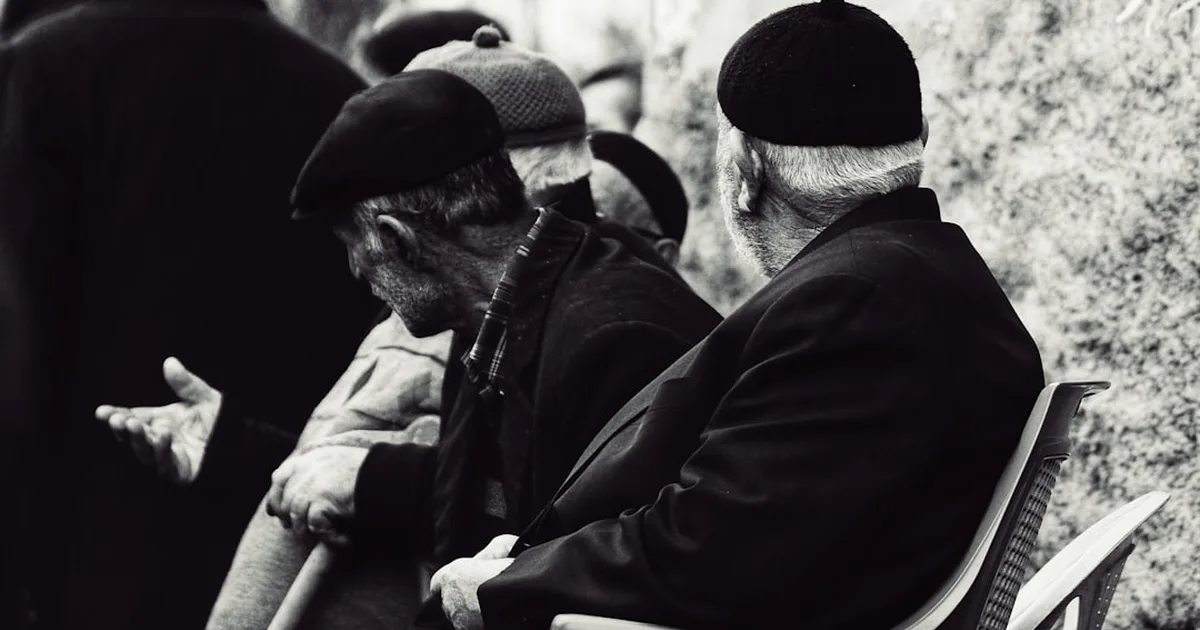
Succeeding the beloved Pope Francis, who passed away in April 2025, Leo XIV assumes the Petrine ministry at a time demanding continuity in attention to the most fragile. In recent communication to the Pontifical Biblical Commission, he highlighted the importance of a reading of Scripture sensitive to human drama, especially that of the poor, migrants, the sick, and all who live in "existential peripheries."
Suffering as a Humble Offering
The Holy Father reminds us that suffering, in its many faces, is not a sign of divine abandonment. On the contrary, when united to Jesus' redemptive sacrifice on the cross, it can become a "humble offering." This does not mean glorifying pain, but recognizing that in Christ, even our deepest weaknesses can be transformed and find meaning.
The apostle Paul wrote in his second letter to the Corinthians:
"But he said to me, 'My grace is sufficient for you, for my power is made perfect in weakness.' Therefore I will boast all the more gladly about my weaknesses, so that Christ's power may rest on me" (2 Corinthians 12:9, NIV).This verse teaches us that God does not abandon us in our fragility. His power is manifested precisely when we recognize our need, making space for His grace to work.
Christ, the Physician of Soul and Body
In his teaching, Leo XIV invites us to welcome Jesus as the only physician truly capable of healing the soul's deepest illnesses: despair, loneliness, resentment, and meaninglessness. The Gospels are filled with encounters where Jesus not only healed physical ailments but restored the dignity and social integration of the sick.
A striking example is the healing of the paralytic at Capernaum. The narrative in Mark 2:1-12 (NIV) shows friends who, moved by faith, bring a paralyzed man to Jesus, lowering him through the roof. Jesus first declares:
"Son, your sins are forgiven" (Mark 2:5, NIV).Only then does He command the man to get up and walk. The message is clear: integral healing begins with forgiveness and peace with God.
The Faces of Suffering in Contemporary Society
The Pope broadens our vision of who today's "sick" are. Beyond those battling illness in a hospital bed, there are:
- Migrants and refugees: Who leave their land, culture, and history, facing uncertainties and dangers in search of dignity.
- The poor and marginalized: Who live in the "shadow zones" of social and economic peripheries, often invisible to society's eyes.
- Those who suffer in silence: From the loss of a loved one, family crises, depression, anxiety, or profound loneliness.
Each of these realities represents a wound in the Body of Christ that is the Church. To ignore them is to ignore part of ourselves.
The Role of the Christian Community
As disciples of Jesus, we are called to be His hands and feet in the world. The Church's mission is not merely to proclaim truths but to incarnate God's compassionate love. This means:
- Non-judgmental welcome: Creating spaces where people can share their pains without fear of stigma.
- Fraternal accompaniment: Walking alongside, listening patiently, and offering practical and spiritual support.
- Defense of dignity: Being a prophetic voice that denounces structures causing suffering and promotes justice.
May the Holy Spirit guide us to be communities that reflect Christ's merciful heart, especially toward those who suffer most.




Comments