
At the heart of Church history, we find figures who, though little known, left a profound mark on the spread of the gospel. Saint Eugene of Ireland is one of those quiet witnesses whose ministry connects us with the origins of Christianity in Irish lands. His life spanned the 6th and 7th centuries, a crucial period when the seed of faith was taking root in new soil.
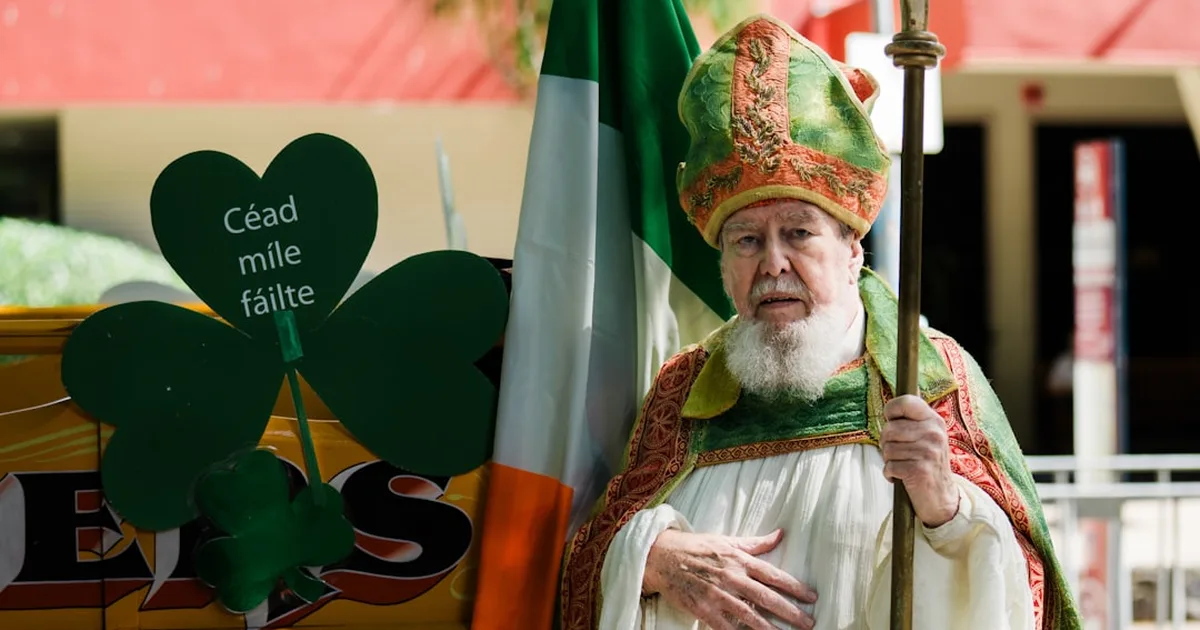
As bishop of Raith-Sithe, in what we now know as Rashee in County Down, Eugene exercised his pastoral leadership in a community just beginning to organize itself. The historical sources that mention his name are brief, but sufficient to recognize his place in the Church's memory. The Annals of Ulster record his passing to the Father's house around the year 618, marking the end of a life dedicated to service.
In those times, a bishop's work wasn't limited to administration. It was primarily spiritual, focused on guiding the sheep toward the Good Shepherd, as the Gospel of John reminds us: "I am the good shepherd. The good shepherd lays down his life for the sheep" (John 10:11, NIV). This pastoral image resonates especially when we consider ministries like Eugene's, developed in contexts where faith was still young.
Raith-Sithe: A Meeting Place Between Traditions
The territory where Saint Eugene exercised his ministry held special significance. Raith-Sithe, whose Irish name means "fort of the fairies," represented a space where the ancient world and the new faith began to dialogue. This place name speaks of a location rich with symbolism, where local culture met the transformative message of the gospel.
Tradition holds that the local church was founded by Saint Patrick, that missionary whose evangelistic zeal deeply marked Ireland. This connection helps us better understand Eugene's context: he was part of a second generation of Christian leaders building upon already established foundations. His work consisted of consolidating what others had begun—a task equally important in building up the Church.
The apostle Paul teaches us about this continuity in service: "I planted the seed, Apollos watered it, but God has been making it grow" (1 Corinthians 3:6, NIV). Just as Apollos watered what Paul had planted, Eugene tended what Patrick and others had sown. Each generation has its specific contribution in God's great work.
The Transmission of Church Memory
The figure of Saint Eugene is built with few historical facts but with a rich transmission of community memory. The Martyrologies of Donegal and Tallaght, important records of Irish tradition, preserve his memory as bishop of that territory. This preservation isn't accidental: it responds to Christian communities' need to keep alive the memory of those who guided them in faith.
This dynamic of transmission reminds us of tradition's importance in the Church's life. It's not merely a historical archive, but a living memory that nourishes community identity. As the author of Hebrews wrote: "Remember your leaders, who spoke the word of God to you. Consider the outcome of their way of life and imitate their faith" (Hebrews 13:7, NIV).
The devotion maintained toward Eugene in his territory speaks of a ministry that left its mark on hearts. Beyond the concrete facts we might have about his life, there remains the testimony of a community that recognized in him a pastor after God's own heart.
Lessons for Our Church Life Today
The story of Saint Eugene, though distant in time, offers valuable lessons for our community life today. First, it reminds us that every ministry—whether prominent or hidden—has eternal value in God's eyes. Eugene didn't leave extensive writings or found great monastic institutions, but his faithful service contributed to strengthening the early Christian community in Ireland.
Second, his example invites us to value continuity in the Church's mission. We're not called to constantly reinvent everything, but to build upon what previous generations have faithfully established. This requires both humility to receive and creativity to adapt the faith to new contexts.
Finally, Eugene's memory preserved through community tradition challenges us to consider what legacy we're building. What will future generations remember about our service? The answer isn't found in grand achievements, but in daily faithfulness to God's call.
In a world that often values visibility and immediate results, the quiet witness of Saint Eugene of Ireland reminds us that God's work often grows in hidden ways. His life encourages us to persevere in our own vocations, trusting that our faithful service, however small it may seem, contributes to building God's kingdom.




Comments