
In Rome, one of the cities richest in Christian history, careful work is once again revealing the colors and details that adorn a historic basilica. This restoration process goes beyond simply cleaning walls – it's an act of reverence that invites us to reflect on how we care for the spaces where our faith is expressed. Just as the psalmist sang about the beauty of God's house, today we witness dedicated professionals restoring splendor to a place that holds centuries of prayers and devotion.
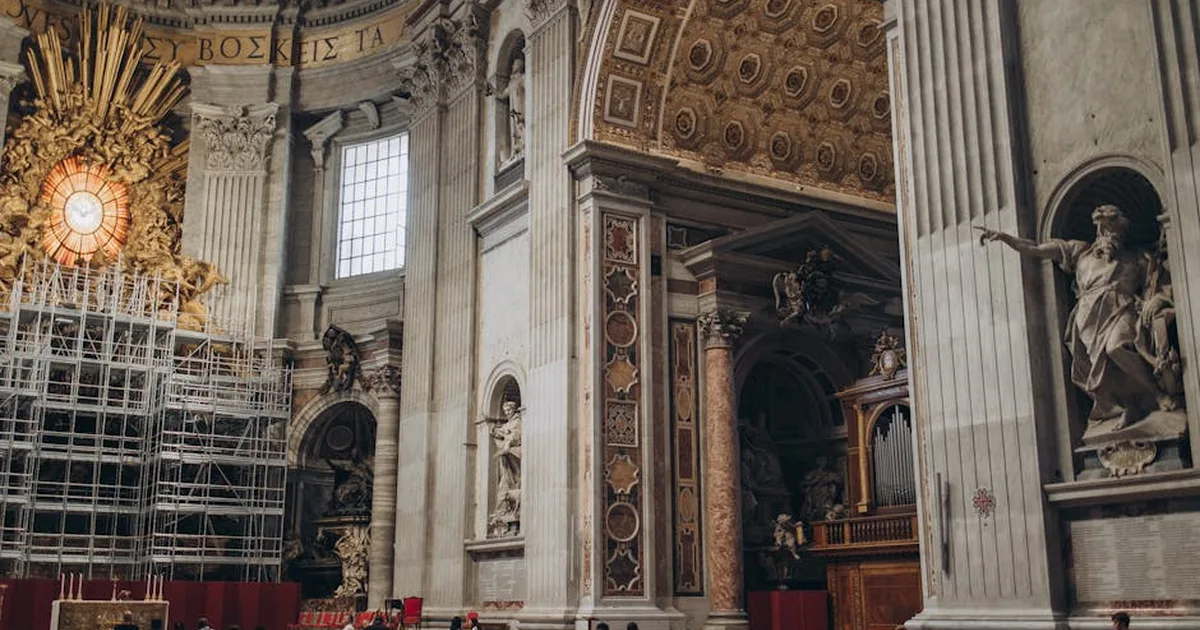
The Basilica of San Pietro in Vincoli, known for housing Michelangelo's impressive sculpture of Moses, is undergoing a visible transformation. Restorers work with artisan-like patience, removing layers of dust and alterations made over centuries to reveal the original 15th-century colors. Each careful brushstroke reminds us that faith also requires constant maintenance – not just in buildings, but in our hearts.
"One thing I ask from the Lord, this only do I seek: that I may dwell in the house of the Lord all the days of my life, to gaze on the beauty of the Lord and to seek him in his temple." (Psalm 27:4, NIV)
The Spiritual Significance of Preservation
Why invest so much care and resources in restoring an ancient building? The answer goes beyond historical or artistic value. Sacred spaces function as silent witnesses to the faith of generations that came before us. When we preserve these spaces, we honor not just the architecture, but the spiritual journey of God's people through time. Each restored church becomes an open book telling stories of faith, hope, and fellowship.
The work in Rome makes us think about our own communities. How are we caring for the spaces where we gather to worship? The physical maintenance of our church buildings reflects our commitment to the church's community life. Just as the Israelites rebuilt the temple in Jerusalem after exile, today we are called to value the places where we experience God's presence in community.
Michelangelo and Expressing Faith Through Art
The famous sculpture of Moses, Michelangelo's masterpiece housed in this basilica, gains new life through the restoration process. Sacred art has always served as a bridge between the divine and human, helping generations visualize and understand aspects of faith. The powerful figure of Moses, with his tablets of the law, reminds us that God reveals himself in multiple ways – through his Word, through creation, and yes, through the artistic ability he grants to human beings.
When restorers carefully clean the marble surface, they're allowing Michelangelo's genius to shine once again. Similarly, when we allow the Holy Spirit to restore our lives, God's image in us becomes more visible. Restored sacred art serves as a powerful metaphor for the renewal work God performs in every believer.
"For we are God's handiwork, created in Christ Jesus to do good works, which God prepared in advance for us to do." (Ephesians 2:10, NIV)
Lessons for Our Current Communities
The restoration project in Rome offers valuable lessons for churches worldwide. First, it teaches us about patience – authentic restoration processes cannot be rushed. Second, about respect for history – we don't erase the past, but reveal its original beauty. Third, about investment in the future – by preserving these spaces, we ensure that future generations can also encounter God in these sacred places.
In our local congregations, we can apply these principles in various ways. Maintaining our worship buildings with dignity and beauty is important, but true restoration begins in relationships between brothers and sisters, in renewing our commitment to God, and in caring for our communal spiritual life. Just as restorers work layer by layer, we too need to allow God to renew every aspect of our church life.


Comments