
In our journey of faith, there are places that transcend the physical to become spaces where heaven touches earth. These corners where generations have deposited their prayers, their tears, and their hopes. Recently, in the Valparaíso region, a space dedicated to the Virgin Stella Maris — affectionately known as the Black Madonna — was subject to actions that have wounded many brothers and sisters in faith. This incident invites us to reflect deeply on how we live out our Christian witness amid the spiritual diversity that characterizes our Latin America.
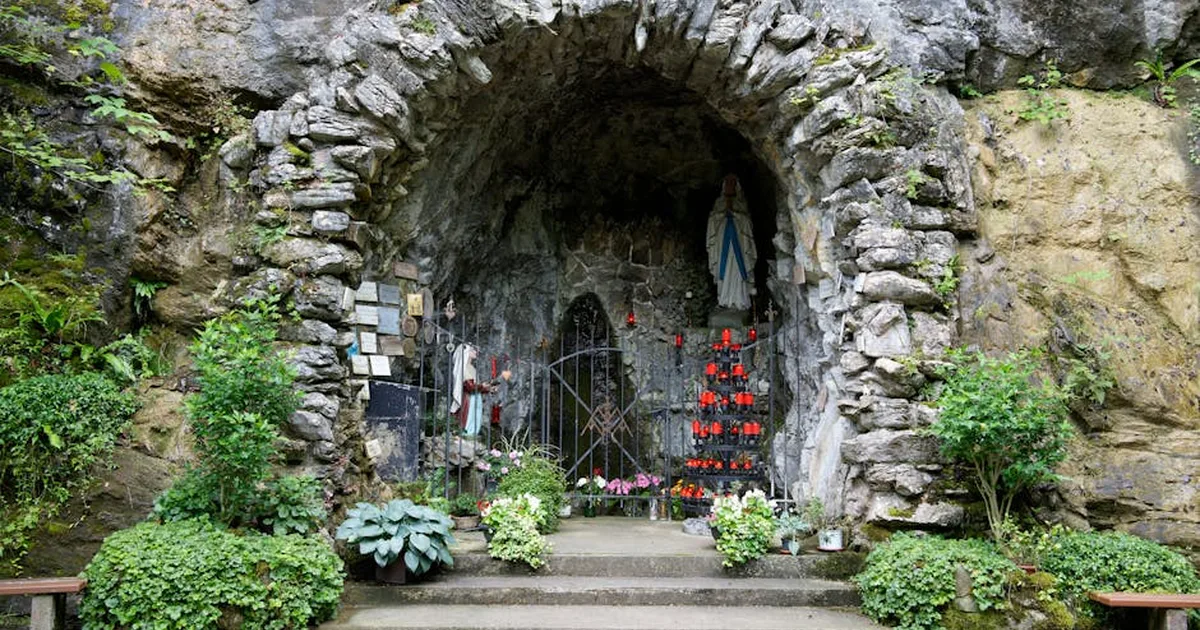
As an ecumenical Christian community, we recognize that each faith tradition has its symbols, its sacred spaces, and its devotional practices. What to some may seem simply an image or a space, to others represents a tangible encounter with the divine, a comfort in moments of pain, a light in the darkness. The Black Madonna of Viña del Mar has been precisely that for countless people: a spiritual refuge where they find peace and connection with God.
Respect as an Expression of Christian Love
Jesus gave us a clear and profound commandment:
"Love the Lord your God with all your heart and with all your soul and with all your mind. This is the first and greatest commandment. And the second is like it: Love your neighbor as yourself"(Matthew 22:37-39, NIV). This love for neighbor isn't limited to kind words or courteous gestures. It expresses itself concretely in how we treat what is valuable to others, especially when we speak of their spiritual life.
The apostle Paul exhorts us:
"If it is possible, as far as it depends on you, live at peace with everyone"(Romans 12:18, NIV). This pursuit of peace includes respect for religious differences and sensitivity toward what others consider sacred. When a Christian leader — or any believer — acts in ways that belittle or trivialize the sacred spaces of others, they're not only disrespecting specific people but weakening the Gospel witness they claim to represent.
In a culture that often trivializes the spiritual and reduces faith to mere personal opinion, Christians are called to a different witness. Our faith isn't just a set of private beliefs but a way of life expressed in how we treat others and everything they value. Respect for the sacred spaces of other traditions doesn't mean we share all their beliefs, but that we recognize the dignity of their spiritual search and their right to express their faith freely.
Building Bridges in Christian Diversity
Latin America is a continent marked by rich Christian diversity. From ancient Catholic traditions to more recent evangelical communities, passing through historic churches and new spiritual movements, we all share faith in Jesus Christ as Lord and Savior. This diversity shouldn't be a source of conflict but an opportunity for mutual enrichment and shared witness.
The Second Vatican Council, in its decree on ecumenism, affirmed that "all who have been justified by faith in baptism are incorporated into Christ" and that "they are rightly called Christians and are properly regarded as brothers in the Lord by the children of the Catholic Church." Though our traditions may differ in important aspects, we share what's essential: love for Christ and the desire to follow his teachings.
In this context, respect for the sacred spaces of other traditions becomes a practical testimony of our fundamental unity in Christ. When we protect and honor what others consider sacred, we're saying with our actions: "Your faith matters, your spiritual journey has value, and we recognize you as fellow travelers toward God." This attitude builds bridges instead of walls and strengthens the Christian witness in a world that desperately needs to see authentic love in action.
As we navigate our diverse Christian landscape, may we remember that every sacred space — whether a grand cathedral, a simple chapel, a home altar, or a roadside shrine — represents someone's heartfelt connection with God. Honoring these spaces isn't about theological agreement but about Christian charity. It's about recognizing that the Holy Spirit works in diverse ways and through diverse expressions of faith.
Let us commit to being people who build up rather than tear down, who honor rather than dishonor, who recognize the sacred in the spaces others have consecrated through prayer and devotion. In doing so, we not only show respect for our brothers and sisters but also bear witness to the transformative love of Christ that transcends all human divisions.


Comments