
As we mark the anniversary of Pope Francis's passing on April 21, 2025, Christians across traditions can find common ground in reflecting on a life dedicated to faith and service. His journey reminds us that leadership in God's kingdom often involves unexpected paths and profound humility. The transition to Pope León XIV in May 2025 continues this story of spiritual guidance within the Catholic tradition, while offering all believers an opportunity to consider what enduring leadership looks like in our churches today.
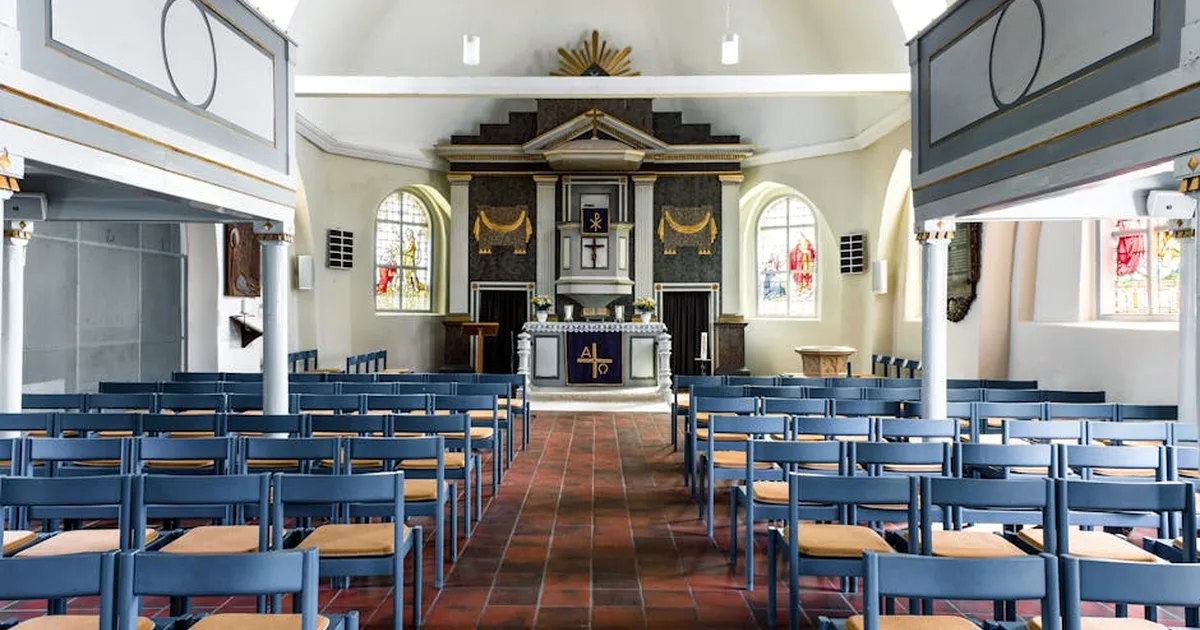
Many remember Pope Francis for his accessible style and emphasis on mercy—qualities that resonate beyond any single denomination. His final months, marked by health challenges, became a testament to offering one's struggles to God. As we read in Romans 12:12, "Be joyful in hope, patient in affliction, faithful in prayer" (NIV). This verse captures something essential about how Francis approached his own suffering, seeing it as something to dedicate to higher purposes.
Lessons in Spiritual Leadership
What can Christians of various backgrounds learn from Pope Francis's approach? First, his focus on compassion over condemnation speaks to the heart of the gospel message. Jesus consistently reached out to those on the margins, and Francis's ministry echoed this priority. Whether through simple gestures or major teachings, he emphasized that God's love extends to everyone, especially those who feel excluded or forgotten.
Second, his concept of "a change of era" rather than "an era of change" invites us to consider how we adapt our faith practices to new cultural contexts while holding to eternal truths. This tension between tradition and relevance exists in every Christian community. The book of Hebrews reminds us, "Jesus Christ is the same yesterday and today and forever" (Hebrews 13:8, ESV), while also calling us to "consider how to stir up one another to love and good works" (Hebrews 10:24, ESV) in our particular time and place.
Practical Spirituality in Daily Life
Beyond institutional leadership, Francis modeled a spirituality that ordinary people could embrace. He spoke frequently about:
- Seeing God in everyday encounters
- Practicing mercy in small, consistent ways
- Maintaining hope despite challenges
- Building bridges rather than walls
These priorities align with biblical wisdom that transcends denominational boundaries. As James writes, "Religion that God our Father accepts as pure and faultless is this: to look after orphans and widows in their distress and to keep oneself from being polluted by the world" (James 1:27, NIV). This practical faith—caring for the vulnerable while maintaining spiritual integrity—was central to Francis's message.
The Gift of Intercessory Prayer
One of Pope Francis's final requests was for continued prayer—both for himself and for peace in the world. This invitation to intercessory prayer creates a beautiful point of connection for all Christians. When we pray for others, whether living or departed, we participate in the communion of saints described in Scripture.
The apostle Paul frequently asked for prayer and promised to pray for others, writing to the Thessalonians, "Brothers and sisters, pray for us" (1 Thessalonians 5:25, NIV). This mutual support through prayer strengthens the entire body of Christ. As we remember Pope Francis, we can honor his request by praying for the peace and fraternity among peoples that he cherished.
"I urge, then, first of all, that petitions, prayers, intercession and thanksgiving be made for all people—for kings and all those in authority, that we may live peaceful and quiet lives in all godliness and holiness." (1 Timothy 2:1-2, NIV)
This biblical instruction reminds us that praying for leaders—including religious leaders—is part of our Christian calling. Such prayers aren't about endorsing every decision or perspective, but about asking God to guide all who influence spiritual communities.
Looking Forward with Hope
As Pope León XIV continues his ministry, Christians worldwide can support this leadership through prayer while also considering how God is moving in their own traditions. Every generation faces unique challenges and opportunities for witnessing to Christ's love. The transition from one pope to another reminds us that God's work continues through changing human instruments.
Ecclesiastes offers wisdom for such transitions: "There is a time for everything, and a season for every activity under the heavens" (Ecclesiastes 3:1, NIV). Each leader brings different gifts to their season of service. Rather than comparing or ranking, we can appreciate how God uses diverse personalities and approaches to advance the kingdom.
Personal Reflection and Application
As you consider Pope Francis's legacy, what aspects of his spiritual approach might enrich your own faith journey? Perhaps it's his emphasis on mercy, his concern for the poor, or his commitment to dialogue. How might you incorporate similar values into your relationships and community involvement?
Take a moment to reflect on these questions:
- Who are the "marginalized" in your community who need to experience God's love through practical care?
- How can you practice intercessory prayer more consistently, both for leaders and for people in need?
- What might "a change of era" mean for how you live out your faith in today's world?
Remember that small, consistent acts of love often have the greatest impact. As we read in Matthew 25:40, "Truly I tell you, whatever you did for one of the least of these brothers and sisters of mine, you did for me" (NIV). Whether we serve in prominent positions or quiet corners, every act done in Christ's name matters eternally.



Comments