
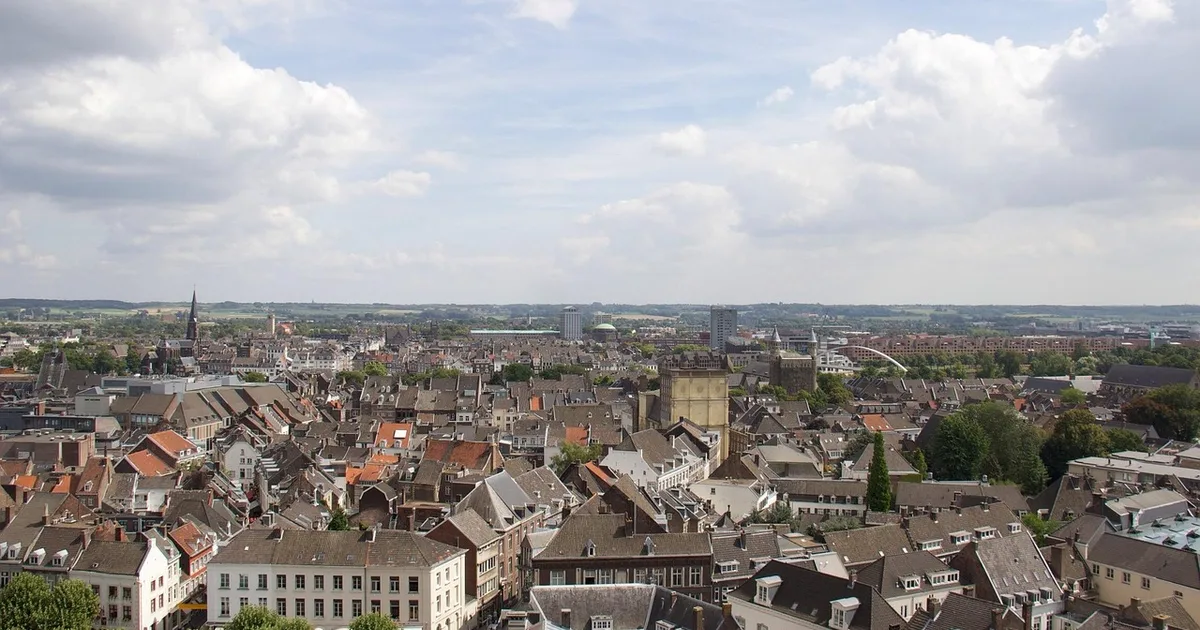
In the Dutch city of Maastricht, a young church has taken a remarkable step: it switched its Sunday services to English. Since then, not only international students but also many local young adults have been flocking to the church. What's behind this success? The church realized that language can be a bridge—a bridge to people who long for community in an unfamiliar environment.
Why the Language Shift Works So Well
The decision to switch to English was not arbitrary. Maastricht is an international city with many students from around the world. Many of them have a Christian background but don't feel at home in Dutch-language services. The church opened its doors and hearts by offering a language everyone can understand. This not only creates access but also a sense of belonging.
A Place of Encounter
The English service is intentionally designed: simple songs, clear sermons, and plenty of time for fellowship after the blessing. The church focuses on a warm atmosphere where people feel welcome. As the Bible says, "Show hospitality to one another without grumbling" (1 Peter 4:9, ESV). This hospitality becomes tangible.
The Role of Young Adults
Especially young adults between 20 and 35 find a home in this church. Many are in Maastricht for work or study and seek spiritual direction. The church offers not only services but also small groups, shared meals, and social projects. This creates a vibrant community that extends beyond Sunday.
Biblical Foundations for Church
The book of Acts shows how the early church grew: "They devoted themselves to the apostles' teaching and to fellowship, to the breaking of bread and to prayer" (Acts 2:42, NIV). These elements—teaching, fellowship, meal, and prayer—are still the pillars of a growing church. The Maastricht church lives them out in a contemporary way.
Challenges and Opportunities
Of course, there are challenges too. Not all church members were initially enthusiastic about the change. Some missed the familiar Dutch liturgy. But the church found a middle ground: there is still a Dutch service on Saturday evening, while Sunday morning remains in English. Thus, both groups are valued.
However, the opportunities outweigh. The church has grown from about 50 to over 200 regular attendees. Many come from non-Christian backgrounds and discover faith anew. The church invests heavily in follow-up: baptism classes, Alpha courses, and personal mentoring. It's exhausting but also rewarding.
Practical Application for Other Churches
What can other churches learn from this example? First: listen to the needs of your surroundings. Second: be brave to try new things. Third: stay rooted in Christ's love. As Paul writes, "Carry each other's burdens, and in this way you will fulfill the law of Christ" (Galatians 6:2, NIV).
Perhaps your church is also invited to think beyond language barriers—whether through translations, multilingual elements, or simply a warm welcome in English. God often works through small steps of openness.
For Reflection
As you read this article: what people in your city might feel excluded? How could your church build a bridge for them? Pray about it and let the Holy Spirit guide you. Sometimes a small step is enough to spark a great movement.


Comments