
Recently, the commune of Puchuncaví experienced a new pollution episode that forced the evacuation of over 300 people, suspended classes, and required medical attention for several children showing symptoms of poisoning. This situation, which especially affected La Chocota Elementary School and the Sirenita de Horcón kindergarten, reminds us of the fragility of our common home and the urgency to act as good stewards of creation.
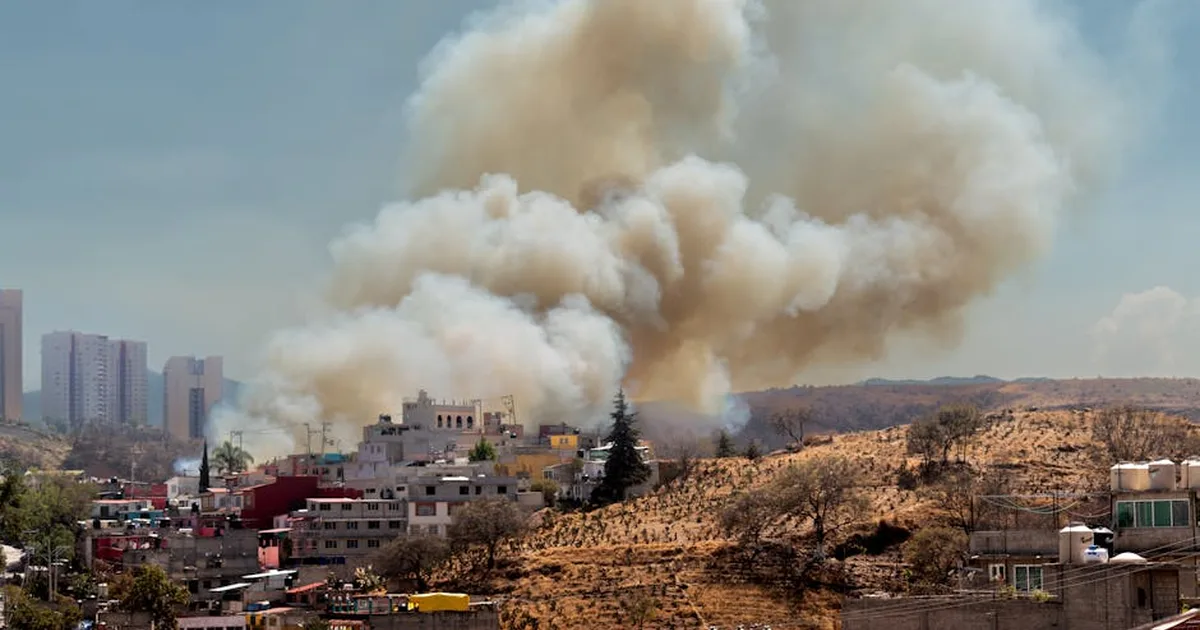
As Christians, we know that God has entrusted us with the care of the earth (Genesis 2:15). We cannot remain indifferent when the health of the youngest is threatened by pollution. The Church is called to be a prophetic voice and to promote environmental justice.
What Happened in Puchuncaví?
The incident began with the presence of unknown odors that activated emergency protocols in several educational institutions. At La Chocota Elementary School, 333 people were evacuated to a safe area. Health personnel evaluated 10 children who presented headaches and nausea. At Campiche School, 10 children also reported similar symptoms, including vomiting, and were treated by teams from CESFAM Puchuncaví and Ventanas.
The emergency extended to the Sirenita kindergarten in Horcón, where 14 preschoolers and 13 staff members were evacuated. As a preventive measure, the school day was suspended and early dismissal was allowed. Authorities from Senapred continue monitoring air quality to identify the source of the odors.
A Christian Perspective on the Environmental Crisis
The Bible teaches us that God created the world and declared it "good" (Genesis 1:31). As beings created in his image, we have the responsibility to care for and preserve nature. The apostle Paul reminds us that the whole creation groans and suffers the pains of childbirth until now (Romans 8:22). This groaning becomes audible in events like Puchuncaví, where people's health and well-being are compromised by pollution.
Jesus called us to be light and salt in the world (Matthew 5:13-16). This includes raising our voices against injustices that harm the most vulnerable. Children, in particular, are the most affected by pollution, and Jesus said, "Let the little children come to me, and do not hinder them, for the kingdom of heaven belongs to such as these" (Matthew 19:14).
The Community's Response
Civil society, through organizations like Greenpeace, has questioned the lack of responsibility from industries and called for halting operations while investigations continue. Students from General Velásquez School denounced that these episodes affect their academic development. It is encouraging to see the community organizing and demanding change, but we also need a deeper commitment from faith.
The Church can play a key role in promoting environmental justice. It is not just about reacting to emergencies, but working for structural change that prioritizes life and health over economic interests. As the prophet Isaiah says: "Learn to do right; seek justice. Defend the oppressed" (Isaiah 1:17).
Call to Action: Caring for Creation Is an Act of Faith
This incident in Puchuncaví challenges all of us. Are we being good stewards of the resources God has given us? Are we protecting the most vulnerable in our society? The environmental crisis is not just a political or technical problem; it is a spiritual issue that requires conversion and commitment.
We can start with small actions: reduce our consumption, recycle, support ecological initiatives, and pray for the healing of the earth. But we must also raise our voices to demand that authorities and companies fulfill their responsibility to protect the environment and public health.



Comments