
In an era marked by conflict and division, the figure of the priest is called to shine as a bearer of hope. Pope Leo XIV, during his visit to the Pontifical Ecclesiastical Academy for its 325th anniversary, offered a profound reflection on the role of the priest as a papal diplomat. Yet his words resonate for every minister of God, wherever they may be: to be proclaimers of the peace that comes from Christ—not as the world gives, but as a free gift from the risen Lord.
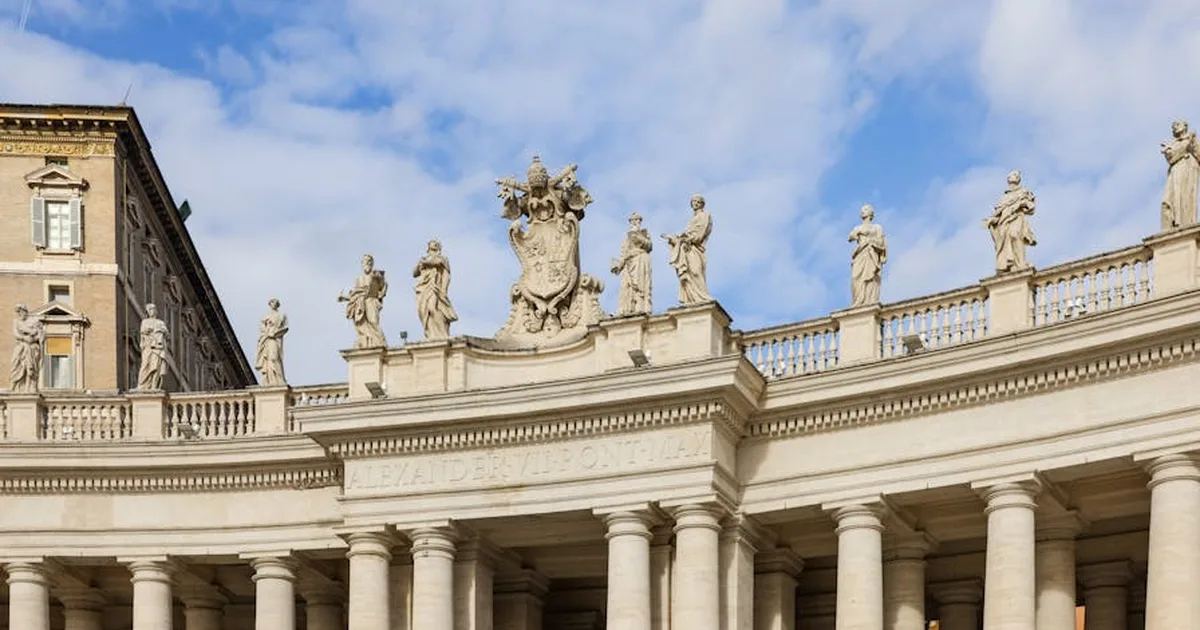
The Pope reminded that the priest's mission is not limited to the care of the Catholic community but extends to the defense of the entire human family. This broadening of horizons is rooted in the very catholicity of the Church, which embraces every people and culture. In a world torn by wars and injustices, the priest is called to be a bridge, a channel of divine grace that can penetrate the folds of history.
Peace, the Holy Father emphasized, is not merely the absence of conflict but the fruit of justice and truth. Therefore, the priest must also be a defender of human rights—not abstractly, but in the concreteness of daily situations. As we read in the Gospel of John: "Peace I leave with you; my peace I give to you. Not as the world gives do I give to you" (John 14:27, ESV). This peace is a gift that must be received and transmitted with courage.
Formation of the Diplomatic Priest: Roots and Renewal
Pope Leo XIV praised the history of the Pontifical Ecclesiastical Academy, calling it a place where an unbroken chain of priests from every part of the world is formed. These men contribute, with their humble efforts, to the building of unity in Christ, which in the diversity of origins makes communion a fundamental characteristic of the Holy See's diplomatic service.
The Pope affectionately cited the motto dear to Pope Francis: "Ut unum sint" (John 17:21), which encapsulates the essence of the Church's diplomatic work. To pray and work so that all may be one is the daily task of those serving in pontifical representations. The recent reforms, desired by his predecessor of venerable memory, have given the Academy the necessary autonomy to renew the study of legal, historical, political, and economic disciplines, along with language learning. This updating is essential to meet the challenges of a rapidly changing world.
The diplomatic priest, the Pope explained, shares in the ministry of the Successor of Peter and embraces a special vocation to the service of peace, truth, and justice. He must be, above all, a messenger of the Easter announcement: "Peace be with you!" Even when hopes for dialogue seem to fade and human peace is trampled, the priest is called to bring the word of the risen Christ. It is not about building peace with one's own strength, but about being instruments of divine grace.
Witnessing Christ in History: The Role of the Priest Today
Pope Leo XIV recalled his address to the Diplomatic Corps, emphasizing that the pontifical diplomat must witness Christ in every circumstance. This witness is not reserved only for those working in nunciatures but is the task of every priest. In a context of growing secularization and religious indifference, the priest is called to be a visible sign of God's love.
The defense of human rights, the Pope stated, is an integral part of the Gospel proclamation. The Church, strengthened by its tradition of social doctrine, promotes the dignity of every person, created in God's image. The priest, in particular, must give voice to the voiceless, standing alongside the poor, the marginalized, and the persecuted. As Saint Paul writes




Comments