
Communion is one of the most sacred moments in the Christian life. Receiving the body and blood of Christ unites us to Him and to the community of believers. But what does it truly take to approach the Lord's Table? It's not just about following rules—it's about preparing our hearts to meet Jesus. In this article, we'll explore what the Bible and Christian tradition teach about this sacrament, offering a pastoral guide to help you come with faith and reverence.
The Biblical Foundation of Communion
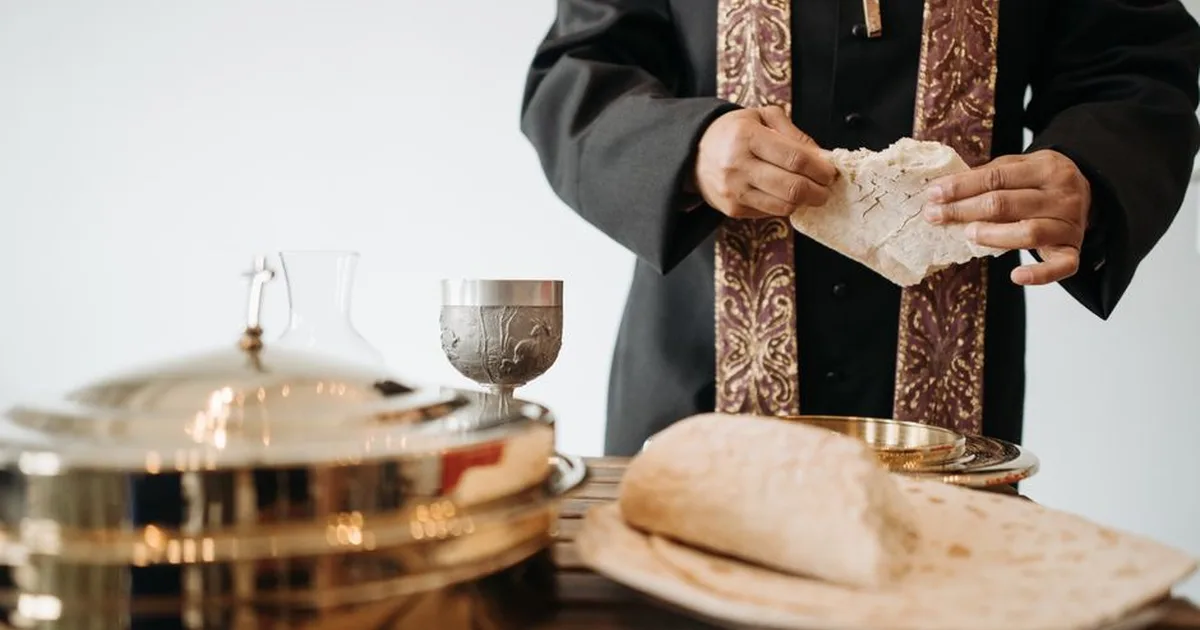
Communion is rooted in the Last Supper, when Jesus instituted this sacrament. In the Gospel of Luke we read: "He took bread, gave thanks and broke it, and gave it to them, saying, 'This is my body given for you; do this in remembrance of me'" (Luke 22:19, NIV). Jesus Himself invites us to share in this act of love. But He also calls us to examine ourselves before participating.
"Everyone ought to examine themselves before they eat of the bread and drink from the cup" (1 Corinthians 11:28, NIV).
This verse reminds us that communion is not automatic; it requires inner preparation. Paul warns that participating in an unworthy manner brings spiritual consequences. That's why it's important to understand the guidelines that the Church has established to help believers approach with dignity.
Essential Requirements for Communion
1. Being in a State of Grace
The first requirement is to be in a state of grace—that is, without serious sin in your life. If you have committed a mortal sin, the Catholic Church teaches that you should go to confession before receiving communion. Other Christian traditions also emphasize the need for repentance and reconciliation. As 1 John 1:9 says: "If we confess our sins, he is faithful and just and will forgive us our sins and purify us from all unrighteousness."
2. Having the Right Intention
Approaching communion should not be out of routine or social pressure, but with a sincere desire to unite with Christ and His Church. Ask yourself: Am I coming to receive Jesus with faith and love? Do I seek to strengthen my relationship with Him? The intention of the heart is key.
3. Observing the Eucharistic Fast
In the Catholic tradition, a one-hour fast before communion is required (water and medicine excepted). Other denominations may have different practices, but the important thing is to prepare both body and spirit for this sacred encounter.
4. Being a Member of the Christian Community
Communion expresses the unity of the Church. Generally, it is expected that the communicant is baptized and in full communion with their Christian tradition. If you are a visitor at another denomination, it is good to inquire about their norms. The Lord's Table is a place of unity, not division.
Spiritual Preparation Before Communion
Beyond external requirements, inner preparation is essential. Here are some practical steps:
- Examine your conscience: Before going to Mass, take a moment to reflect on your actions and thoughts. Ask God for forgiveness for your faults.
- Read the Word: Meditate on the readings of the day, especially the Gospel. Let God speak to you through His Word.
- Make an act of faith: Remember that in communion you receive the living Christ. Say in your heart: "Lord, I am not worthy to have you come under my roof, but only say the word and my soul shall be healed."
- Approach with humility: Communion is not a reward for the perfect, but food for sinners who seek God.
Frequently Asked Questions About Communion
Can I receive communion if I am not married in the Church?
If you are living in a situation that is not in accordance with your Church's teachings, it is




Comments