
In the months following his election in May 2025, Pope León XIV has embarked on a significant journey to Africa, demonstrating his commitment to global Christian fellowship. This visit comes at a meaningful time for the worldwide Church, following the passing of Pope Francis in April 2025. The new pontiff's travels represent more than just diplomatic protocol—they signal a heartfelt desire to listen, learn, and strengthen bonds among believers across continents.
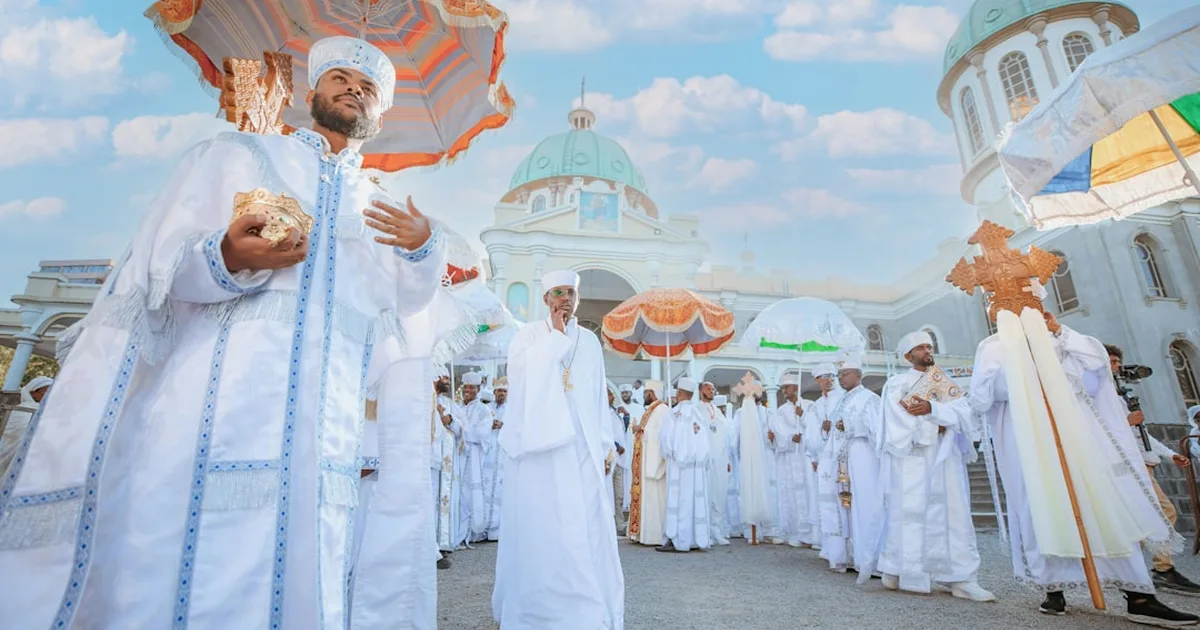
Africa represents one of the most vibrant and growing Christian communities in the world today. With diverse expressions of faith spanning numerous traditions and cultures, the continent offers rich insights into how the gospel takes root in different soils. Pope León XIV's journey acknowledges this spiritual vitality while seeking common ground in Christ's love.
As Christians, we can appreciate how such visits remind us of Paul's missionary journeys described in Acts. Though our contexts differ, the impulse to connect, encourage, and build up fellow believers remains central to our shared faith.
"Therefore encourage one another and build each other up, just as in fact you are doing." (1 Thessalonians 5:11, NIV)
The Heart of Pastoral Communication
During his African visit, Pope León XIV addressed the College of Cardinals with a letter that has sparked thoughtful reflection among Christian communities worldwide. While the specific contents remain within ecclesiastical channels, the broader themes resonate with all believers: the importance of dialogue, the pursuit of unity, and the pastoral care of God's people.
Such communications between church leaders serve as reminders that Christian leadership, at its best, involves both speaking truth in love and listening with humility. Whether in local congregations or global fellowships, effective spiritual guidance requires this balance of conviction and compassion.
The biblical model for leadership emphasizes service over status. Jesus told his disciples,
"Whoever wants to become great among you must be your servant, and whoever wants to be first must be your slave—just as the Son of Man did not come to be served, but to serve, and to give his life as a ransom for many." (Matthew 20:26-28, NIV)This servant-leadership principle transcends denominational boundaries and speaks to all who follow Christ.
Questions That Deepen Faith
In any spiritual journey, questions naturally arise—questions about practice, belief, and how to live out our faith authentically. Some questions find clear answers in Scripture, while others invite us into deeper reflection and dependence on God's wisdom.
Consider the disciples' questions to Jesus throughout the Gospels. They asked about prayer, about the kingdom of God, about suffering, and about the end times. Jesus responded sometimes with direct answers, sometimes with parables, and sometimes with questions of his own that prompted deeper thinking.
In our own faith communities, creating space for honest questioning can strengthen rather than weaken our collective walk with God. As the psalmist writes,
"When I am afraid, I put my trust in you." (Psalm 56:3, ESV)Our questions, when brought before God in trust, can become pathways to greater faith.
Sacramental Celebrations Across Traditions
The celebration of First Communion represents a significant milestone in many Christian traditions, marking a person's conscious step into fuller participation in the life of the Church. While practices vary among denominations, the underlying reality remains: we are invited to remember Christ's sacrifice and participate in the mystery of his presence among us.
Paul's instruction to the Corinthians about the Lord's Supper emphasizes both the unity and the solemn responsibility this sacrament represents:
"For whenever you eat this bread and drink this cup, you proclaim the Lord's death until he comes." (1 Corinthians 11:26, NIV)Whether celebrated as Eucharist, Communion, or the Lord's Table, this shared meal connects us to Christ and to one another across time and space.
In families and congregations preparing young people for their first Communion, several elements often emerge as important:
- Understanding the biblical foundations of the practice
- Recognizing the communal nature of Christian worship
- Developing personal spiritual disciplines
- Connecting the sacrament to daily Christian living
These preparations, while varying in form, share the common goal of helping believers—young and old—grow in their relationship with Christ.
Formation for Faithful Living
The work of liturgical formation—helping believers understand and participate meaningfully in worship—represents an important aspect of Christian education across traditions. While specific approaches may differ, the goal remains similar: to form disciples who worship God "in spirit and in truth" (John 4:24).
Quality Christian formation typically includes several key components:
- Biblical literacy and understanding
- Historical awareness of Christian tradition
- Practical skills for prayer and worship
- Integration of faith with daily life
- Community building and service
Whether through formal programs, small group studies, or family discipleship, this formative work helps believers mature in their faith. As the writer of Hebrews encourages,
"Let us consider how we may spur one another on toward love and good deeds, not giving up meeting together, as some are in the habit of doing, but encouraging one another—and all the more as you see the Day approaching." (Hebrews 10:24-25, NIV)
Reflection for Your Journey
As we consider these themes of Christian unity, leadership, sacramental life, and formation, what practical steps might we take in our own contexts? Perhaps we could:
1. Pray regularly for Christian leaders across traditions, asking God to grant them wisdom and compassion.
2. Seek opportunities to learn about worship practices different from our own, always with respect and curiosity.
3. Create spaces in our families or small groups where honest questions about faith can be discussed without judgment.
4. Consider how we might support Christian formation—whether for children, new believers, or lifelong disciples—in our local communities.
Finally, we might reflect: How does our participation in the global Christian community enrich our local expression of faith? And how might our local practices contribute to the beautiful diversity of Christ's body worldwide?



Comments