
At a time when various regions worldwide are affected by conflicts and tensions, Pope León XIV turns his attention to the plight of people in these areas. The successor to Pope Francis, who passed away in April 2025, continues a tradition marked by care and spiritual accompaniment. His words are addressed not only to the Catholic community but to all Christians striving for peace and reconciliation.
The Power of Shared Prayer
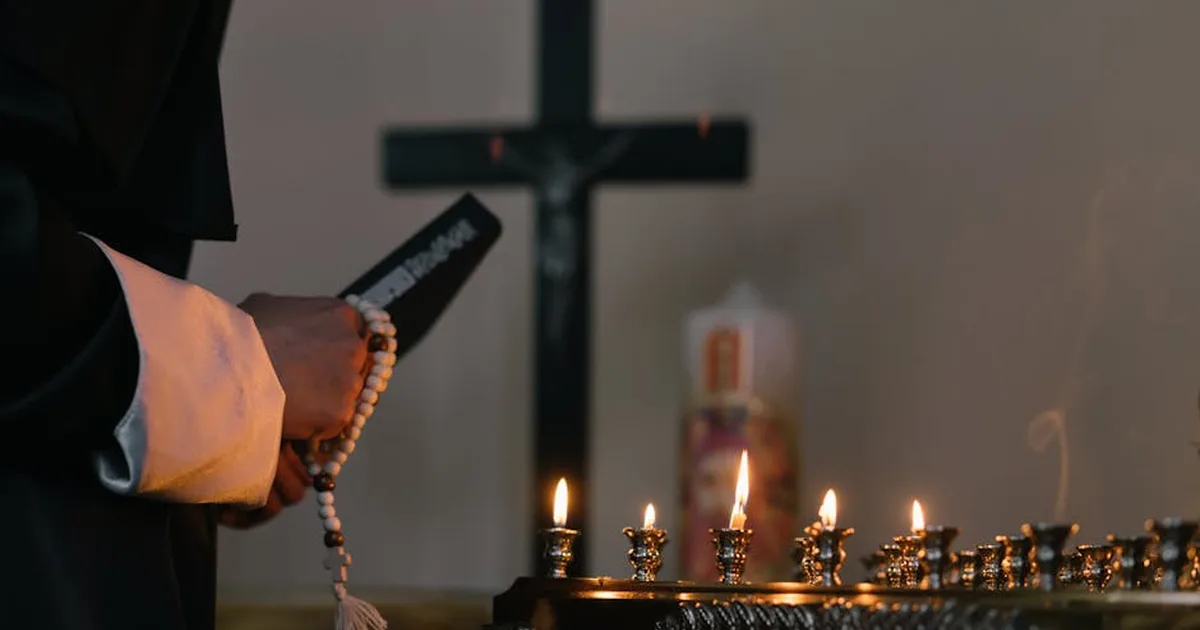
Prayer has always played a central role in Christian tradition. It connects believers across borders and creates a spiritual community that can provide support even in the most difficult times. Pope León XIV emphasizes the importance of this connection, especially concerning regions affected by ongoing conflicts. His appeal reminds us that international attention to these areas must not wane.
"Seek peace and pursue it" (Psalm 34:14, NIV)
This biblical call finds particular relevance in current challenges. Shared prayer for peace is more than a symbolic gesture; it is an expression of hope and trust in God's work. Therefore, many congregations worldwide are establishing special prayer times for conflict zones to show solidarity and spiritual support.
The Church's Role in Conflict Situations
The Church understands itself not only as a place of prayer but also as a space for dialogue and reconciliation. In conflict situations, it can assume a mediating role by promoting conversations and organizing humanitarian aid. Pope León XIV underscores this responsibility and encourages communities to actively engage for peace. This is not about political statements but about the fundamental Christian duty to stand up for the weak and suffering.
"Blessed are the peacemakers, for they will be called children of God" (Matthew 5:9, NIV)
This beatitude of Jesus shows that peacemaking is an essential characteristic of Christian life. It calls us to actively seek paths of reconciliation and not ignore conflicts. In this sense, communities can take various measures to express their solidarity with affected regions:
- Regular intercessory prayers in worship services
- Support for aid organizations on the ground
- Informational events to raise awareness
- Ecumenical prayer gatherings with other Christian communities
Practical Steps for Communities
The call from Pope León XIV can be translated into concrete actions. Communities are invited to develop their own peace initiatives and thus set a sign of hope. This can happen through regular prayer circles, financial support for aid projects, or organizing opportunities for encounter. It is important that these activities stand in the spirit of Christian charity and are free from political or denominational reservations.
A special focus should be on prayer, which can open people's hearts and bring about change. As the Apostle Paul writes: "Do not be anxious about anything, but in every situation, by prayer and petition, with thanksgiving, present your requests to God" (Philippians 4:6, NIV). This attitude of trust and gratitude can be shared even in difficult situations.
Reflection and Outlook
The words of Pope León XIV invite personal and communal reflection. Every Christian is called to ask how he or she can contribute to peace. This begins in one's own surroundings – in family, work, and local community. Small gestures of understanding, forgiveness, and dialogue can sow seeds of reconciliation that, in time, bear fruit in wider spheres. Peace is not merely the absence of conflict but the active presence of justice, mercy, and brotherly love. As a Christian community, we are united by faith in Christ, who is our peace (Ephesians 2:14), and from that unity we can be instruments of his peace in a world so much in need of it. May this call to pray and work for peace find us willing to respond with generosity and hope, trusting that God hears our prayers and acts in history to heal and reconcile.


Comments