
In recent months, the Catholic Church has experienced a significant transition. Following the passing of Pope Francis in April 2025, Cardinal Robert Francis Prevost was elected as the new Pope in May of the same year, taking the name Leo XIV. This change in the highest office of the Catholic Church offers all Christians an opportunity to reflect on the meaning of spiritual leadership in our complex world.
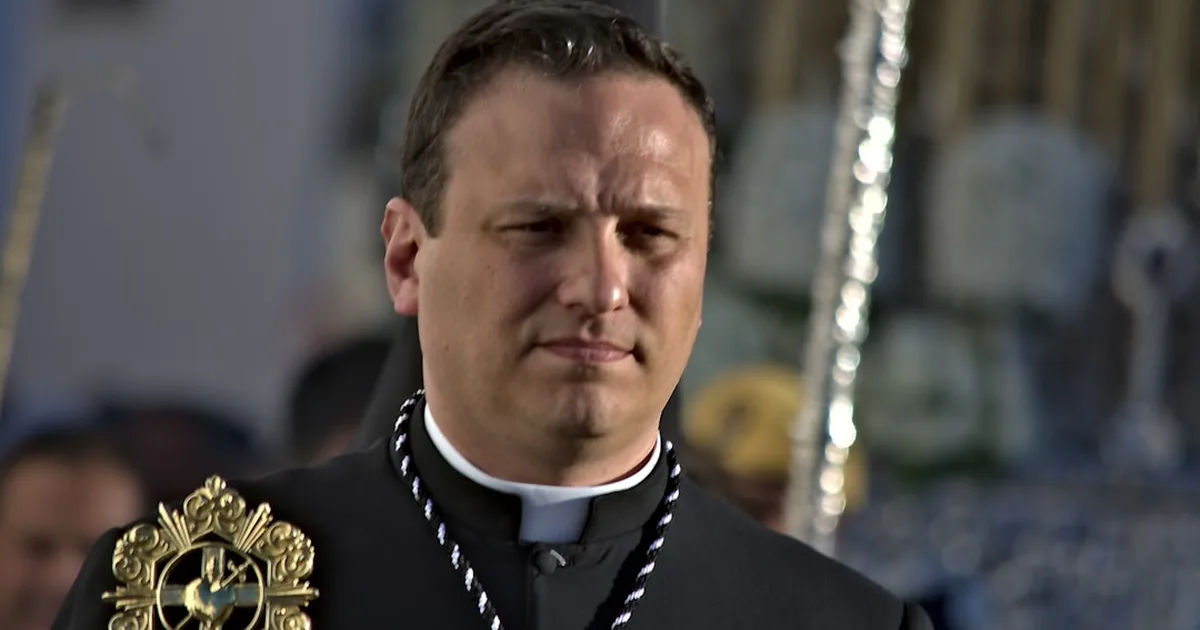
The Task of the Papacy Today
The office of the Pope carries a special responsibility that extends far beyond denominational boundaries. As the successor of the Apostle Peter, the Pope stands in a tradition that goes back to the words of Jesus:
"And I tell you, you are Peter, and on this rock I will build my church, and the gates of hell shall not prevail against it." (Matthew 16:18, ESV)This biblical foundation reminds all Christians that true authority is rooted in service and humility.
Challenges for Spiritual Leadership
In a time when public discourse is often marked by polarization, spiritual leaders face the particular challenge of finding a language of reconciliation. The Apostle Paul exhorts the church in Ephesus:
"Be kind to one another, tenderhearted, forgiving one another, as God in Christ forgave you." (Ephesians 4:32, ESV)This exhortation applies to all who are in Christian responsibility—whether in leadership positions or in the everyday work of the church.
The Unity of Christians as a Common Concern
EncuentraIglesias.com understands itself as an ecumenical platform that respects the diversity of Christian traditions while striving for unity in Christ. In this spirit, we can take the current situation as an occasion to reflect on fundamental Christian values:
- The calling to service instead of the exercise of power
- The importance of prayer for all who are in leadership responsibility
- The need to hold fast to fundamental Christian values in difficult times
- The power of forgiveness and reconciliation in polarized debates
Biblical Perspectives on Authority and Service
The Holy Scriptures offer rich insights on the topic of spiritual leadership. Jesus himself defined true greatness differently than is common in the world:
"It shall not be so among you. But whoever would be great among you must be your servant." (Matthew 20:26, ESV)This radical reversal of worldly conceptions of power remains a constant challenge for all who are in Christian responsibility.
The Apostle Peter, on whom the papal office is based, wrote in his first letter:
"Shepherd the flock of God that is among you, exercising oversight, not under compulsion, but willingly, as God would have you; not for shameful gain, but eagerly." (1 Peter 5:2, ESV)These words apply to all who bear responsibility in Christian churches.
Practical Application for Christian Communities
How can we respond as Christian communities to current challenges? Here are some practical considerations:
- Prayer for all spiritual leaders: Regardless of denominational affiliation, we are called to pray for all who are in spiritual responsibility. The Apostle Paul writes to Timothy:
"First of all, then, I urge that supplications, prayers, intercessions, and thanksgivings be made for all people, for kings and all who are in high positions." (1 Timothy 2:1-2, ESV)
- Constructive dialogue instead of polemics: Christian churches can create spaces where respectful exchange is possible, even between different perspectives. Instead of falling into polarized debates, we can seek ways to listen to one another with humility and love.




Comments