
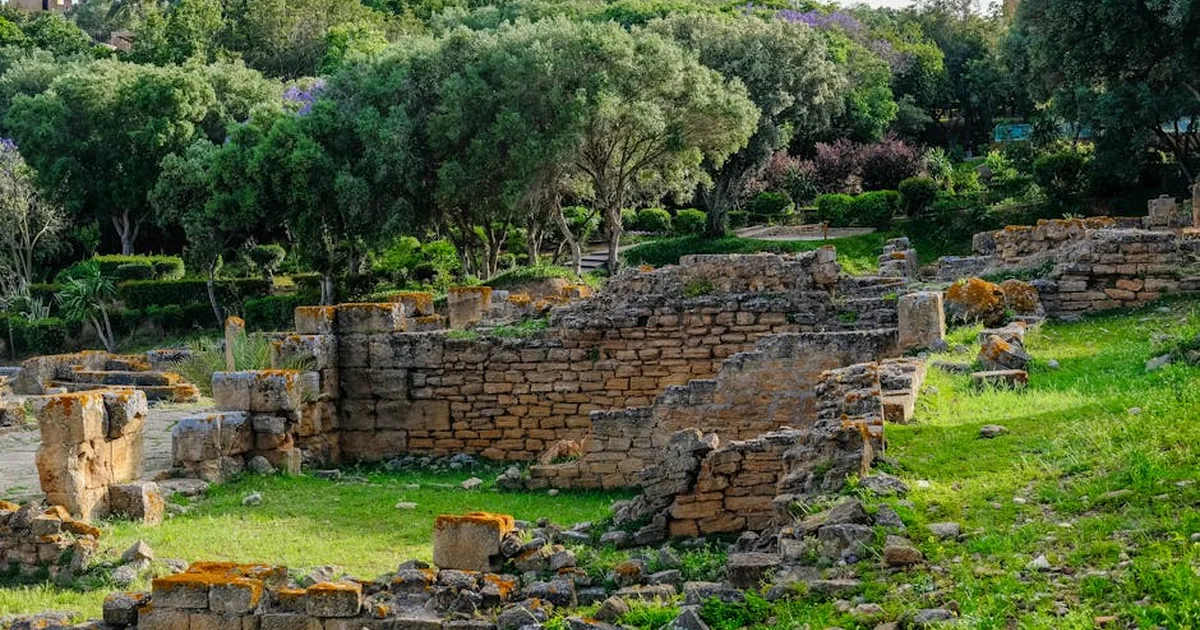
In a journey that bridges past and present, Pope Leo XIV made a special visit to the city of Annaba in Algeria, a place known in antiquity as Hippo. This land holds profound significance for Christian tradition, for it was there that Saint Augustine, one of the greatest theologians in Church history, lived and served as bishop for over three decades.
Treading on Sacred Ground
The Pontiff arrived in Annaba on the second day of his apostolic journey, departing from the capital, Algiers. For Leo XIV, this was not merely a stop on his itinerary but a genuine spiritual pilgrimage. At earlier moments in his life, before assuming the Petrine ministry, he had already visited this place in 2004 and 2013, demonstrating a personal connection with the Augustinian heritage.
In his own words, the Pope expressed gratitude for the opportunity to return: "I thank divine providence that, in its mysterious designs, allowed me to return to this sacred place now as the Successor of Peter." This statement reveals the spiritual depth that marks this visit, transcending merely protocol aspects.
Augustine's Legacy for Today
The figure of Augustine of Hippo continues to illuminate the path of Christians centuries after his death. His conversion journey, narrated in "Confessions," speaks directly to the human heart in search of meaning. As the apostle Paul wrote: "Not that I have already obtained all this, or have already arrived at my goal, but I press on to take hold of that for which Christ Jesus took hold of me" (Philippians 3:12, NIV).
Augustine understood this truth viscerally. His intellectual search for truth culminated in a personal encounter with Christ, transforming him from a rhetoric professor into a shepherd of souls. His work "The City of God" remains a reference for understanding the relationship between faith and society.
Lessons from a Fourth-Century Pastor
During his 34 years as bishop of Hippo, Augustine faced challenges that echo to our present day. The Donatist heresy, which questioned the validity of sacraments administered by priests who had faltered during persecutions, required from him a wise and theologically grounded pastoral response.
His ministry teaches us about the importance of unity in diversity, a theme so dear to the ecumenism that EncuentraIglesias.com seeks to promote. As Scripture reminds us: "There is one body and one Spirit, just as you were called to one hope when you were called" (Ephesians 4:4, NIV).
Three Pillars of Augustinian Thought
- Divine Grace: Augustine emphasized that our salvation comes entirely from God's grace, not from our merits.
- The Community of Faith: He developed a theology of the Church as the body of Christ, anticipating concepts that would be developed throughout the centuries.
- Ordered Love: He taught that we must love God above all things and our neighbor as ourselves, establishing a correct hierarchy of affections.
Annaba Today: Witness to Christian Resilience
Pope Leo XIV's visit to this North African region has special significance considering the current context. In lands where Christianity flourished in the early centuries, the Christian presence today is a minority but vibrant. The local community keeps the flame of faith alive amid various challenges.
The archaeological sites of Hippo, which the Pontiff visited, are not merely ruins of the past but silent witnesses to a faith that transformed the Mediterranean world. Walking on those stones is to make living memory of those who preceded us in the journey of faith.
"For we are co-workers in God's service; you are God's field, God's building" (1 Corinthians 3:9, NIV).
A Bridge Between Tradition and Contemporary Life
The election of Leo XIV in May 2025 marked a new chapter in papal history. His visit to Annaba demonstrates how Christian tradition remains relevant to our time, connecting historical roots with current challenges of faith.
In a world that often seeks superficial novelties, Augustine's example reminds us that true renewal comes from encountering Christ, the source of all wisdom and grace. As a Christian community, we are called to witness to this truth in every generation.



Comments